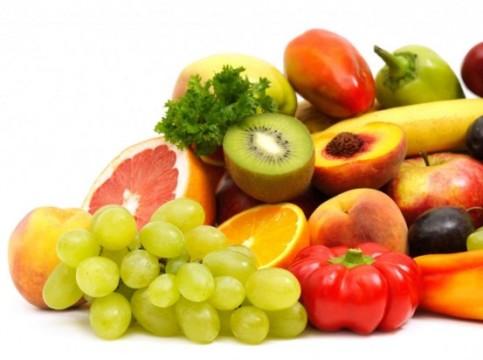
Welcome to our Healthy Food page!
Here, we provide essential information about whole foods, along with links to additional resources that may interest you.
Even if you’re already committed to a healthy diet, we hope you find some valuable insights here.
Are you getting the basics right?
Mastering the basics is crucial for succeeding in your healthy diet and lifestyle. Adopting and maintaining a healthy diet isn’t difficult, but it’s essential to start with a solid foundation, just like building a house. A house built on a poor foundation won’t last through the first big storm, and the same principle applies to your diet.
 Your body is nourished and protected by your diet, especially when you consume a whole foods diet. Many valuable nutrients found in food support good health and shield your body from illness.
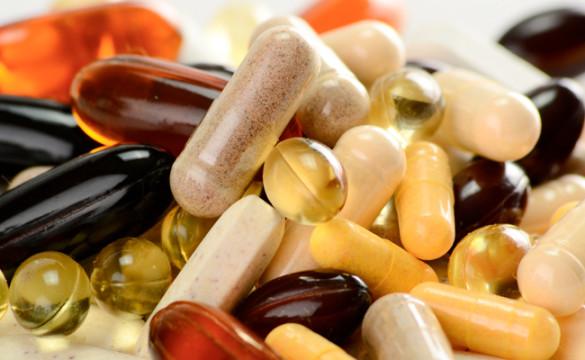
A poor diet and supplements cannot and never will replace the effects of nutritious whole foods.
Let’s look at the most important categories of essential elements that our bodies require through diet and nutrition:
Although vitamins and minerals are only required in negligible amounts by your body, they are essential to your health. However, Western diets, which are low in whole foods like fresh produce and heavy in processed food, are often vitamin and mineral deficient. Your risk of illness can significantly increase because of these inadequacies. Vitamin C, D, and folate deficiencies can weaken your immune system, affect your heart, and increase your cancer risk.
Vegetables, fruits, beans, and grains are all nutritious foods that include a variety of useful substances, including antioxidants and many more. Antioxidants shield cells from harm that may otherwise result in illness. Diets high in polyphenol antioxidants reduce the risk of heart disease, diabetes, dementia, and depression.
Fiber is a crucial component of a balanced diet. It supports healthy digestion and excretion while also feeding the good bacteria in your stomach. As a result, high-fiber foods, including fruits, grains, beans, and vegetables, work to strengthen your immune system, reduce inflammation, and guard against disease. Conversely, a low-fiber diet is linked to a higher risk of diseases like colon cancer and stroke.
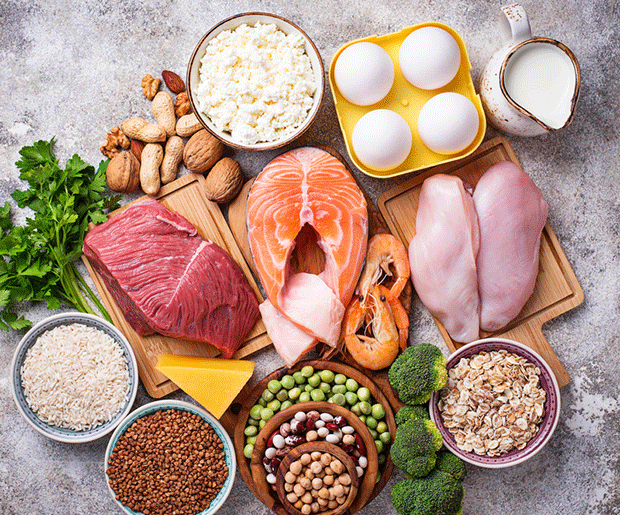
Protein’s building blocks, amino acids, support immune system health, muscle synthesis, metabolism, and growth, whereas fats offer energy and aid in nutrition absorption.
Foods that contain healthy carbohydrates are whole grains, vegetables, fruits and beans, and legumes. These foods promote good health by delivering vitamins, minerals, fiber, and a host of other important phytonutrients.
Whole, nutritious foods that contain fat play a variety of vital purposes in your body. Omega-3 fatty acids, which are present in foods like fatty fish, have anti-inflammatory properties that benefit heart and immunological health.
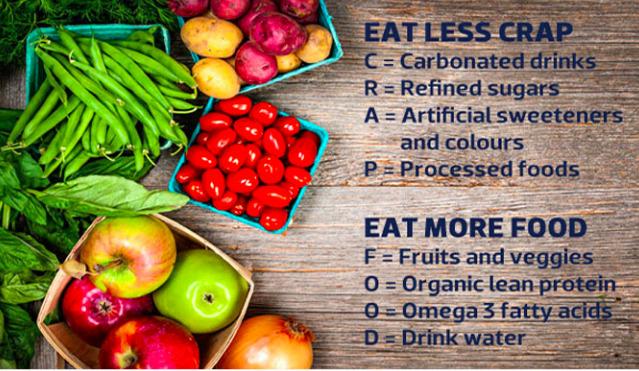
 Just like it takes time to achieve anything worthwhile in your life, there are no exceptions. It takes time and patience to integrate healthy ways of eating and living into your daily life, but you’ll find they lay the foundation for good health and wellbeing. For example, learn to drink a glass of water when you get up each morning, make it an “automatic habit”, like brushing your teeth before bedtime. I hope you do.
When you get into your car, for example, you always fasten your seat belt as soon as you get inside. You give little thought to what you’re doing, or even why you’re doing it. It’s automatic, you just DO IT. Your brain loves routines because they save it time and energy. When you automate everyday tasks, you release mental capability that can apply to other tasks. You become both healthy and efficient when you learn to automate healthy ways of eating and living. Like drinking water, or eating more vegetables, or getting up from your desk and going for a walk.
The thing with eating well and staying well takes time, commitment and persistence. Bur it is SO worth it when it all comes together. This FIRST step is about awareness of WHAT you are eating. The second step we’ll get into now is about your body, allowing it time to adjust.
 Many people want to make healthy changes when they are unwell or sick. The fact is that many people become impatient and want to go from feeling bad to good quickly. In fact, literally days or weeks, even if they have been unwell for many years. When you learn to take your health more seriously and make the changes that enable your body to repair and heal itself, it may produce additional symptoms. Technology is making us impatient, according to research.
A survey suggests says that in our society of immediacy, our patience runs out within seconds. Literally…seconds.
For example, if you are on a weight loss program, your body will need to adjust to the lowered levels of insulin, cholesterol and blood pressure. You should experience some weight reduction as well, and for some this can be dramatic, for others it will be minimal.
With all these changes occurring in your body, there will almost certainly be emotional and psychological changes as well, so allow yourself time to adjust to these changes. Over time, as your healthy eating habits become more regular and your health improves, you’ll find it harder to slip back into old ways.
Click on Healthy Eating and read a comprehensive page that can teach you the best ways to eat and living healthy. There are the several links you can click to direct you to different pages containing plenty of useful information. Links also include pages about your best food choices, shopping on budget, best supplements, the best lifestyle changes to make and more.
Here is a list if you want to access any of the Healthy Food (nutrition)categories. You can also scroll down further and access these same categories, and find articles further down below this page.
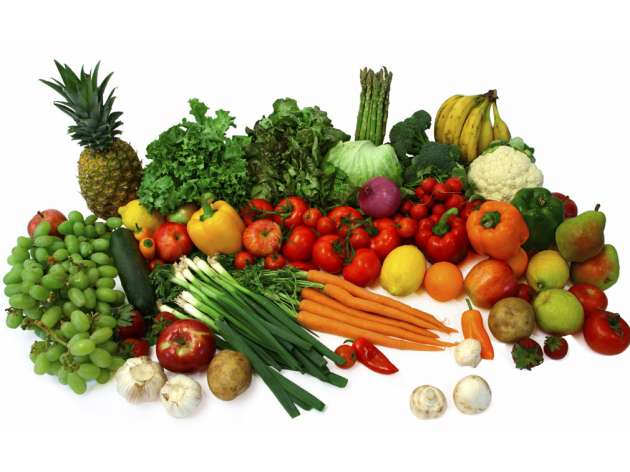
Vegans forgo all animal products, including dairy and eggs, while vegetarians just avoid meat. Vegan and vegetarian diets can both be healthy, nutritious, and beneficial to one's health. Without care, vegans are more likely to suffer from iron, vitamin D,...
Read MoreGluten-free labels appear to be appearing everywhere, including on foods that never had gluten to begin with. Is this a health trend you should get on board with... or avoid? Gluten is a protein found in wheat, barley, and rye,...
Read More
Here is my down-loadable Hypo-Allergenic Diet Sheet (the Low Allergy Diet) which we use in our clinic as a hand-out. It features a list of the possible offending foods and the substitutes. The column on the left represents the foods ...
Read More
The King of Fruits Blueberries are the fruits of a shrub that belong to the heath family whose other members include the cranberry and bilberry as well as the azalea and rhododendron. I'd say that the avocado is the the...
Read More
What Supplements Should I Take? Many people often ask, "Eric, what dietary supplements are the best for me to take?" Over the years, I've seen patients bring in large amounts of unnecessary and often expensive dietary supplements to our...
Read More
Why Reducing Caffeine and Drinking More Water is Essential In my experience, many people who experience chronic health complaints simply don't drink enough water. Instead, they rely heavily on caffeinated drinks like coffee and tea, which can't substitute for the...
Read More