
Many patients have asked my over the years for a home remedy for acne. Some people experience the occasional pimple, whereas others experience frequent and ongoing bouts of pimples, blackheads and whiteheads throughout their puberty and even adulthood. Some young women only experience flare-ups at the time of ovulation and fade after their period begins, yet some experience all the time.
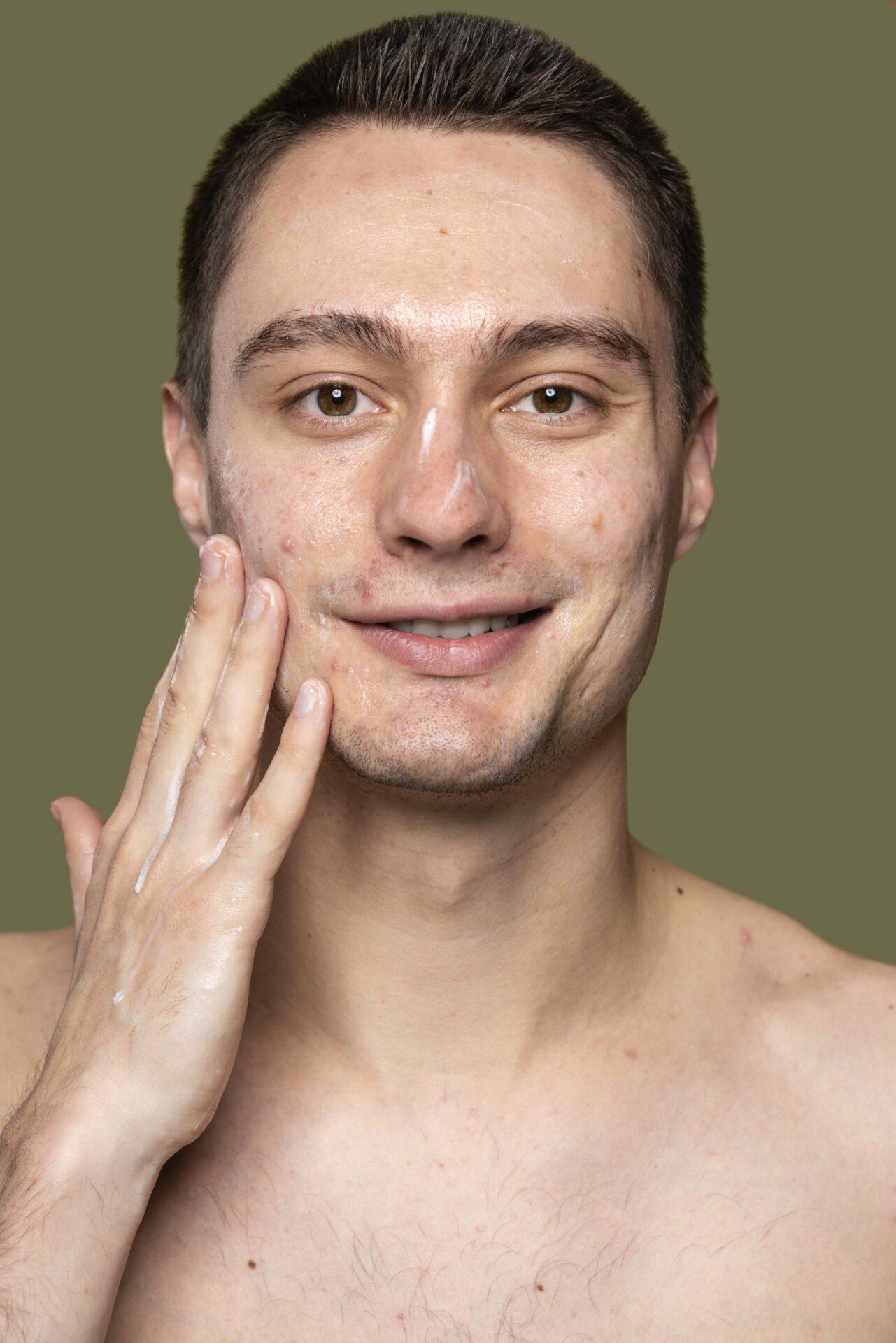
Many patients have reached out over the years seeking effective home remedies for acne. While some people experience occasional pimples, others face persistent breakouts of pimples, blackheads, and whiteheads throughout puberty and even into adulthood. Acne can flare up around ovulation for some and linger for others.
Acne often results from overactive oil glands and clogged pores. These issues combine to trap and incubate bacteria on the skin’s surface, leading to chronic whiteheads (closed comedones), blackheads (open comedones), pimples, and even cysts.
Even if you think you don’t need a moisturizer, some people with oily foreheads and noses may find their chin or cheeks dry. Cleansing more regularly can also alter skin oiliness, making an oil-free moisturizer beneficial.
If makeup is part of your routine, choose oil-free products labeled as “non-comedogenic” or “non-acne forming.”
Look for natural products with quality ingredients to minimize the risk of acne.
 Resist the urge to squeeze, pop, or pick at pimples. This temptation can lead to prolonged irritation and scarring, hindering healing. Proper skin care is key to preventing further issues.
Incorporate plenty of fresh fruits, vegetables, nuts, and seeds into your diet. Fresh fruit juices, vegetable salads, and nuts can contribute to skin health.
Zinc and selenium are of utmost importance for skin repair. Brazil nuts (selenium) and pumpkin seeds (zinc) are excellent sources of these nutrients.
Antibiotics, especially penicillin-based drugs, can have significant side effects, including stress on the liver and disruption of beneficial gut bacteria. Often, dietary changes alone can effectively manage acne. Contrary to some beliefs, diet plays an important role in maintaining healthy skin.
 Cut out sodas and energy drinks. Drinking plenty of water supports hydration and digestion, which helps prevent dead skin cells from clogging pores and leading to acne.
If your digestive system struggles to eliminate toxins, your skin may take over this role.
Supplementing with high-quality probiotics can help maintain a healthy balance of gut bacteria, benefiting your skin.
Certain herbs can aid in acne treatment. For instance, dandelion root tincture can be brewed by steeping one tablespoon of crushed dandelion roots in hot water for 15 minutes. Drink 1/3 to 1/2 cup three times daily before meals.
Burdock root is another effective option—take a teaspoon of tincture twice daily or drink a brewed infusion four times a day. Although bitter, burdock root has significant benefits.
Tea tree oil is a powerful natural antiseptic with antibacterial, antiviral, and antifungal properties. Apply it with a cotton swab directly to acne spots, but use sparingly to avoid exacerbating the condition. Alternatively, try a water-soluble version as a face wash.
Neem (Azadirachta indica) soap offers anti-inflammatory, antifungal, antiviral, and antibacterial benefits. You might also consider Tea Tree Oil soap for its similar properties.
– Vitamin C: A teaspoon of Vitamin C powder daily can boost your immune system and support skin health.
– Zinc: Taking 15 milligrams of zinc daily promotes skin healing. Balance long-term zinc intake with copper, and consider a multivitamin to cover other essential nutrients.
For more information on maintaining clear skin and natural treatments, explore related articles on my blog. Check out my posts on skin fungal infections and another on how skin fungal infections can go systemic.
–