Understanding Skin Fungal Infections: Causes and Treatments
Eric Bakker N.D.May 9, 2022
Skin infections caused by fungus can occur anywhere on the body. Athlete's foot, jock itch, ringworm, and yeast infections are among the most frequent.
Table of Contents[Hide][Show]
−
Skin Fungal Infections: Causes, Symptoms, and Treatments
Skin infections caused by fungus can occur anywhere on the body. Athlete’s foot, jock itch, ringworm, and yeast infections are among the most frequent. These infections can cause discomfort, itchiness, and even systemic issues if left untreated. In this article, we will delve into the various types of skin fungal infections, their symptoms, and effective treatments.
Types of Skin Fungal Infections
Skin infections caused by fungus can occur anywhere on the body. Athlete’s foot, jock itch, ringworm, and yeast infections are among the most frequent. These infections can cause discomfort, itchiness, and even systemic issues if left untreated. In this article, we will delve into the various types of skin fungal infections, their symptoms, and effective treatments.
Tinea Versicolor
Tinea Versicolor, also known as Dermatomycosis furfuracea, Pityriasis versicolor, and Tinea flava, is a common fungal infection. This fungus actually changes the color of the skin it infects; the patches may be lighter or darker than your normal surrounding skin. This spotted pattern and the fine scaly flakes at the margins make this fungal infection the easiest to identify.
Symptoms and Causes of Tinea Veriscolor
Tinea Versicolor typically causes patches of skin discoloration, often appearing on the chest, back, and shoulders. These patches can be lighter or darker than the surrounding skin and may become more noticeable after sun exposure. The condition is caused by an overgrowth of yeast that naturally lives on the skin. Factors such as hot, humid weather, excessive sweating, oily skin, and a weakened immune system can contribute to this overgrowth.
Treatment Options for Tinea Veriscolor
Treatment usually involves topical antifungal medications, such as selenium sulfide, ketoconazole, or clotrimazole. In more severe cases, oral antifungal medications may be prescribed. Keeping the skin clean and dry can help prevent recurrence.
The common types of skin yeast infections can often affect other parts of the body, especially if the condition becomes chronic. For instance, a severe case of athlete’s foot might not only cause discomfort in your feet but could also lead to systemic issues like bloating and gas.
Ringworm (Tinea Corporis)is likely one of the most misdiagnosed skin infections, often mistaken for eczema in children. Despite its name, ringworm is caused by a microscopic fungus, not an actual worm. Many people worry excessively about the term “ringworm,” mistakenly believing they have a worm problem.
Symptoms and Causes of Ringworm
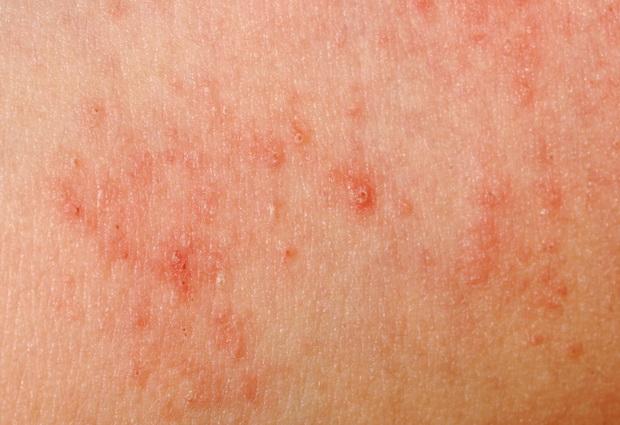
Ringworm presents as a red, circular, and itchy rash with clearer skin in the middle. It can appear on various parts of the body, including the scalp, feet, and groin. The infection spreads through direct contact with an infected person, animal, or contaminated object.
Treatment Options for Ringworm
Topical antifungal creams or ointments are typically effective in treating ringworm. Good hygiene practices, such as washing hands regularly and keeping skin clean and dry, can help prevent the spread of ringworm.
Jock itch is a very common skin infection affecting millions of men annually. It can affect men from all walks of life and be a most uncomfortable problem that many men prefer not to talk about. Read about how to cure this common men’s yeast infection.
Symptoms and Causes of Jock Itch
Jock itch presents as a red, itchy rash in the groin area, inner thighs, and buttocks. The condition is caused by a type of fungus called dermatophytes, which thrive in warm, moist environments. Factors such as tight clothing, excessive sweating, and obesity can increase the risk of developing jock itch.
Skin fungus infections can sometimes be hard for practitioners to recognize and diagnose. I have often had patients come to my clinic with a fungal skin infection, only to have been previously told it was eczema or psoriasis. This misdiagnosis can lead to improper treatment and prolonged discomfort. Read further here about difficult to diagnose skin infections
Tips for Preventing Skin Fungal Infections
Preventing skin fungal infections involves maintaining good hygiene, keeping skin dry, wearing breathable clothing, and avoiding sharing personal items such as towels and clothing. Regularly washing and thoroughly drying areas prone to infection, such as feet, groin, and armpits, can also help reduce the risk.
Conclusion
Skin fungal infections, while common and often uncomfortable, are treatable with the right approach. By understanding the symptoms, causes, and treatment options, you can take proactive steps to prevent and manage these infections. If you suspect you have a fungal skin infection, it’s important to consult a healthcare professional for accurate diagnosis and appropriate treatment.
By expanding your knowledge on skin fungal infections, you can better protect your skin and overall health. Stay informed, stay healthy, and don’t hesitate to seek professional advice when needed.
We use cookies to ensure that we give you the best experience on our website. If you continue to use this site we will assume that you are happy with it.



 Jock itch is a very common skin infection affecting millions of men annually. It can affect men from all walks of life and be a most uncomfortable problem that many men prefer not to talk about. Read about how to cure this common men’s yeast infection.