
You may be familiar with the phrase "beverage," but do you know what it means exactly? A beverage or drink is a type of liquid that is consumed for nutrition, energy, or hydration. With more variety of flavours and tastes, the number of beverage types has grown over time. But what are the best beverages for health? I think you'll probably know the answer to that question! Hint: It's not beer or coffee.

In my experience, many people who experience chronic health complaints simply don’t drink enough water. Instead, they rely heavily on caffeinated drinks like coffee and tea, which can’t substitute for the benefits of clean, pure water. This article will explain why reducing your caffeine intake and drinking more water is essential for your overall health, along with practical tips to help you make this vital change.
Caffeinated drinks such as coffee and tea are consumed by millions daily, but they don’t provide the hydration your body needs. Caffeine can contribute to dehydration and may exacerbate issues like anxiety, insomnia, and digestive disturbances. While coffee and tea can have their benefits, especially when consumed in moderation, they should not replace water in your daily routine.
Water makes up more than 70% of your body and plays a role in nearly every bodily function. From regulating temperature and aiding digestion to cushioning your joints and removing waste, staying properly hydrated is essential. Unlike caffeinated beverages, water does not add unnecessary stimulants to your system, helping to maintain balance and promote overall well-being.
Not all water is created equal. While tap water is convenient, it often contains contaminants like chlorine, fluoride, and even traces of pharmaceutical drugs. Filtering your water can help remove these impurities, making it a healthier option. Reverse osmosis systems, in particular, are excellent for those serious about their health.
– Start Small: Begin by replacing one cup of coffee or tea with a glass of water each day. Gradually reduce your caffeine intake over time.
– Stay Hydrated: Keep a bottle of water handy throughout the day. Drinking water regularly helps maintain hydration and reduces the urge to reach for caffeinated drinks.
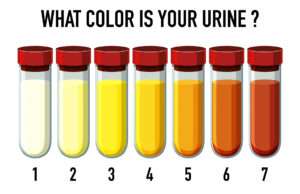 – Monitor Your Urine: Use the color of your urine as a hydration guide. Clear or light yellow urine indicates good hydration, while dark urine suggests you need more water.
– Choose Alternatives: If you struggle with insomnia or anxiety, consider switching to green tea or herbal teas, which have lower caffeine levels.
Taking control of your caffeine intake and prioritizing hydration can lead to significant health improvements. Explore more articles on how to manage your diet and lifestyle for optimal health on our website. Don’t forget to sign up for our newsletter for regular tips and updates!
If you’re considering a caffeine detox keep reading here: Caffeine: Tea and Green tea Caffeine Detox
External links for further reading:
– Review on Hydration and Health by Popkin, D’Anci, and Rosenburg
–Effects of Caffeine on the Body – Healthline