
By incorporating these natural remedies into your daily routine, you can manage hay-fever symptoms in a gentle, effective way.

Hayfever, or allergic rhinitis, is a common condition caused by an overactive immune response to airborne allergens such as pollen, dust mites, and mold. Symptoms include sneezing, runny nose, itchy eyes, and congestion, which can significantly impact your quality of life. Fortunately, several natural remedies can help manage these symptoms and support overall well-being.
Here, we explore ten natural remedies for hayfever that can help you find relief and reclaim your comfort.

Why It Works: Local honey contains small amounts of local pollen, which might help your body build tolerance to these allergens. By consuming honey produced in your area, you may gradually desensitize your immune system to the pollen that triggers your hayfever.
How to Use: Add a teaspoon of local honey to your morning tea or smoothie. It’s best to start this regimen a few weeks before allergy season begins for optimal results.
Why It Works: Nasal irrigation helps flush out allergens, mucus, and other irritants from your nasal passages. This can reduce congestion and irritation.
How to Use: Use a saline solution with a neti pot or a saline spray. Perform nasal irrigation once or twice daily, especially after being outdoors. Ensure the water used is distilled or boiled and cooled to avoid infections.
Why It Works: Apple cider vinegar has anti-inflammatory properties that can help reduce mucus production and soothe inflamed nasal passages. It also helps to balance the body’s pH, which can be beneficial during allergy season.
How to Use: Mix one to two tablespoons of apple cider vinegar in a glass of water and drink it up to three times a day. You can also add a splash of lemon juice for extra vitamin C.
Why It Works: Quercetin is a natural antioxidant and flavonoid found in various fruits and vegetables. It stabilizes mast cells, which are responsible for releasing histamines during an allergic reaction.
How to Use: Include quercetin-rich foods in your diet, such as apples, onions, and berries. For higher doses, consider quercetin supplements.
Why It Works: Butterbur is an herb known for its anti-inflammatory properties. It can help inhibit the release of histamines and reduce the symptoms of hayfever.
How to Use: Look for standardized butterbur supplements that are free of pyrrolizidine alkaloids (toxic compounds). Follow the dosage instructions on the label, and consult with a healthcare provider before use.
Why It Works: Peppermint tea contains menthol, which acts as a natural decongestant and helps to soothe irritated nasal passages. It also has mild antihistamine effects.
How to Use: Brew a cup of peppermint tea and drink it a few times a day. Inhaling the steam from the tea can also help relieve congestion.
Why It Works: A healthy gut flora supports the immune system and can potentially help manage allergy symptoms. Probiotics can balance the gut microbiome, which may reduce the severity of allergic reactions.
How to Use: Incorporate probiotic-rich foods such as yogurt, kefir, and fermented vegetables into your diet. High-quality probiotic supplements are also available if needed.
Why It Works: Vitamin C is a powerful antioxidant that helps stabilize mast cells and reduce histamine levels. It also supports overall immune function.
How to Use: Eat vitamin C-rich foods like oranges, strawberries, and bell peppers. For additional support, consider vitamin C supplements, especially during allergy season.
Why It Works: Eucalyptus oil has decongestant and anti-inflammatory properties. It helps clear nasal passages and can reduce coughing and sinus pressure.
How to Use: Add a few drops of eucalyptus oil to a bowl of hot water and inhale the steam. Alternatively, use a diffuser to disperse the oil into the air. You can also add eucalyptus oil to your steam inhalation routine with a few drops in your neti pot.
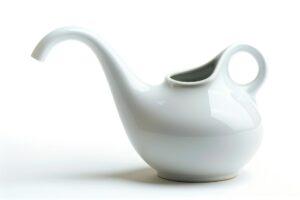
Why It Works: Combining essential oils with saline solution in a neti pot enhances the soothing effects of nasal irrigation. Essential oils like lavender, eucalyptus, and tea tree oil have anti-inflammatory and antimicrobial properties that can further ease nasal irritation.
How to Use: Add a drop or two of essential oil to the saline solution in your neti pot. Do nasal irrigation as you normally would, ensuring the solution is well mixed and the essential oil is evenly distributed.
By incorporating these natural remedies into your daily routine, you can manage hay-fever symptoms in a gentle, effective way.
Remember, always consult with a healthcare professional before starting any new treatment, especially if you have underlying health conditions or are taking other medications.
Comment below with your tips and tricks for treating hayfever naturally.
Read Eric Bakker’s article on Food Allergies and Intolerances here
Keep reading: How Your Immune System Works