
The adrenal fatigue diet is a way of relieving stress on the HPA (stress) axis, that includes the hypothalamus, pituitary and adrenal glands by the use of specific foods consumed at the right time of day.

The adrenal fatigue diet aims to relieve stress on the HPA (hypothalamic-pituitary-adrenal) axis by consuming specific foods at the right time of day. This axis includes the hypothalamus, pituitary gland, and adrenal glands. Your adrenal glands produce hormones that help your body respond to stress, manage blood sugar and blood pressure, and efficiently burn fat and protein. Cortisol, one of the primary adrenal hormones, plays a crucial role in reducing inflammation and regulating immune and blood sugar functions.
Adrenal fatigue is believed to occur when your adrenal glands cannot perform their normal functions. Although adrenal fatigue is not officially recognized as a medical diagnosis, and most healthcare specialists do not endorse treatment recommendations for it, there are parallels to other conditions. For instance, leaky gut syndrome was not widely acknowledged until only a few years ago. It’s fascinating how perspectives can change over time.
I want to give credit where credit is due. Dr. James Wilson, a pioneer in the field of adrenal fatigue, has done groundbreaking work that has brought much-needed attention to this condition. His research and findings have been instrumental in shaping our understanding and management of adrenal fatigue. I’ve had the privilege of working closely with Dr. Wilson, and together, we’ve explored various dietary and lifestyle approaches to support adrenal health.
One of the key aspects of the adrenal fatigue diet is consuming specific foods at the right time of day. This helps support the HPA axis and maintain balanced cortisol levels.
The diet focuses on nutrient-rich foods that support adrenal health, including:
Proteins: Lean meats, fish, eggs, and plant-based proteins
Healthy Fats: Avocados, nuts, seeds, and olive oil
Complex Carbohydrates: Whole grains, legumes, and vegetables
Vitamins and Minerals: Foods rich in vitamin C, magnesium, and B vitamins
By supporting adrenal health, the diet helps your body respond more effectively to stress, reducing overall stress levels.
Consuming balanced meals at regular intervals helps maintain stable blood sugar levels, preventing energy crashes and cravings.
The diet’s emphasis on anti-inflammatory foods and nutrients helps reduce inflammation and supports a healthy immune system.
While adrenal fatigue may not yet be a widely recognized medical diagnosis, the principles behind the adrenal fatigue diet can offer significant health benefits. By focusing on nutrient-rich foods and proper meal timing, you can support your adrenal health, manage stress, and maintain overall well-being. It’s always interesting to see how new research and perspectives can shift our understanding of health over time, much like how Eric Bakker and Dr. James Wilson have contributed to the growing awareness and management of adrenal fatigue.
 One of the major dietary mistakes made by people with low adrenal output is not eating soon enough after waking. If you have adrenal fatigue, it is very important that you try to eat before 10:00 am. This is vital in helping to replenish the waning stored blood sugar supply after the previous night’s energy needs. Fasting in the morning, or skipping breakfast and having lunch later, is not the way to go if you have adrenal issues. Your blood sugar needs stabilising.
An early lunch, preferably before noon, is better than a late lunch because your body quickly uses up the morning nourishment and is ready for more. Between 11 and 11:30 am is usually the best time for lunch. You should also eat a nutritious snack between 2 and 3 pm to sustain yourself for the cortisol dip that typically occurs between 3 and 4 pm. Consume your evening meal between 5 and 6 pm. A few bites of a high-quality snack before bed can help get through sleep disturbances.
If you suffer from adrenal fatigue, it is best to combine fat, protein, and complex carbohydrates (like whole grains) at every meal and snack. This combination helps provide a steady stream of energy throughout the day. It is important to remember that foods that are converted too quickly into energy (like sugary snacks or highly processed foods) will quickly let you down.
 Salt
SaltIn most cases of adrenal fatigue, salt (in moderation) benefits those who add it to their diet. Unless you are one of the rare people with adrenal fatigue and high blood pressure, add some salt to your food. The preference is to use either sea salt or Celtic salt, as these contain valuable nutrients, the trace elements. Your body’s need for salt may produce some symptoms you are experiencing, like dizziness and low blood pressure.
 Proteins
Good quality protein from meat, fish, fowl, eggs, dairy and various plant sources (soy and other legumes, nuts and seeds) is helpful in dealing with adrenal fatigue. Try to avoid processed proteins such as packaged lunch meats and processed cheeses. Proteins have more nutritional value and are easier to digest when eaten lightly cooked or raw.
 Vegetables
Every day, include 6-8 servings of a wide variety of vegetables in your meals, especially those that are naturally highly coloured (bright green, red, orange, yellow or purple). Vegetables provide essential vitamins, minerals, antioxidants and a good amount of fibre. Different cooking methods make different nutrients available. It is therefore a good idea to vary how you prepare and cook your vegetables.
The following vegetable soup recipe has proved helpful in adrenal support.
Ingredients
Combine ingredients and simmer for one hour until vegetables are tender. Add pepper to taste.

People with adrenal fatigue and blood sugar problems should go lightly on fruits, especially in the morning. Fruits contain a significant amount of fructose and potassium, which is a detrimental combination for those with exhausted adrenals. However, it is preferable that any fruit that you eat is pesticide free. Below is a short list of fruits people with adrenal fatigue do well with, and ones they should avoid.
By following these 9 simple guidelines, your food can help support your adrenal glands
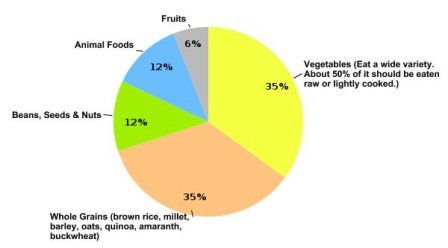
Eating the wrong foods or a combination of foods can throw you off for hours, even days. Pick the foods that are recommended and stick with them. The cleaner you eat, the better you will feel and the faster you will recover.
 Ironically, foods made with sugar and white flour, like doughnuts, rolls, pies, cakes, cookies, candy bars, soft drinks, are the ones many people experiencing adrenal fatigue crave the most. This is because hypoglycemia and adrenal fatigue often go hand in hand, and foods made from refined flour and/or sugar quickly raise your blood sugar. The problem is, they raise your blood sugar too high, causing an excess insulin release. The excess insulin causes blood sugar levels to crash, often leading to hypoglycemic symptoms and more cravings, creating a dangerous cycle.
 Three common examples of these types of oils are vegetable shortening, margarine, and the oil used in commercial peanut butters. When you eat foods containing hydrogenated and partially hydrogenated fats, they disrupt normal fatty acid metabolism in your body. These oils use up the enzymes that normally would be used by the good oils to help create high-quality cell membranes and nerve sheaths. Read more about Hydrogenated Fats here.
 Hydrogenated or partially hydrogenated fats are what most deep-fried foods are fried in. Not only do these foods have the dangers mentioned previously, they also contain toxic free radicals formed when the oils break down with heat that can cause oxidative tissue damage throughout the body.
 While drinking alcohol may not directly cause adrenal fatigue, it certainly can contribute to the condition and have a detrimental impact on your symptoms. Most of those who suffer from adrenal fatigue syndrome know that they should limit, and ideally eliminate, their caffeine intake because it affects the adrenals’ ability to produce cortisol. However, other nutrients can affect cortisol synthesis. Of these is alcohol. Be careful!
 There are many problems with fast foods and junk foods: they often contain white flour, sugar, hydrogenated fats, or all three; often their ingredients are of poor quality with little nutritional value; and they will lose what nutrients they contain because of being kept hot or stored for long periods of time. It is questionable whether some junk foods are even food at all. But they taste nice, and that’s why people buy this crap. It is also important to avoid foods you are allergic or sensitive to. Try to identify any foods you may have an addiction to. These are often the “problem” foods in your life. Problem foods allow you to develop health problems like obesity, diabetes, heart disease and cancer.
 How you eat can have as much of an effect on your adrenal glands as on what you eat. Before starting a meal, it is important to prepare your body for the complicated processes of digestion, absorption, and utilization of energy and nutrients. If you control your eating environment, choose a peaceful spot with pleasant surroundings. Eating with friends is also a good idea; congenial conversation and good company promote relaxation and digestion. Eat your food sitting down in a relaxed position; it is important to avoid hectic or rushed meals. It is also important to chew your food well; – chew 30 times per mouthful.
Below is a list of beverages that work better for people with adrenal fatigue. Remember that it is best to avoid drinks (and foods) containing caffeine.