

Adrenal Fatigue Diet
When eating for fatigue it is important to include into your diet specific foods that are known to improve one’s ability to deal with the effects of stress. The Adrenal Fatigue Diet targets the adrenal glands, which are responsible for the production of hormones that assist your body in responding to stress, regulating sugar and blood pressure levels, and burning fat and protein. The constant stress placed on the glands of stress (the HPA axis, the Hypothalamus, Pituitary, and Adrenal glands) can lead to a reduction in hormone production. Hypoadrenia can cause many symptoms, including an increased desire for sweet and salty foods.
Are you Eating for Fatigue?
Understanding the role of Diet and Lifestyle

Recovering from adrenal fatigue requires recognizing the critical role of diet and lifestyle. When your adrenal glands respond to stress, your cell metabolism speeds up, burning significantly more nutrients than usual. People with adrenal fatigue often lack sufficient essential nutrients to meet the increased demands their cells face under stress. A healthy diet is the best source of these nutrients. While nutritional supplements can aid healing and speed recovery, they cannot replace the foundation of nutritious food intake.
Making Sound Nutritional Choices
When dealing with adrenal fatigue, it’s vital to pay closer attention to your food choices. Stress can make it difficult to make sound nutritional decisions. Not only do our minds get preoccupied with stress, but our bodies also signal the need for support, often leading us to reach for quick energy fixes like sweet snacks, coffee, or convenience foods. These choices may provide temporary relief but do not support long-term health.
Avoiding Poor Food Choices
At the end of a stressful day, it’s easy to overeat, drink alcohol, or make poor food choices. After a busy day, you and your children may feel ‘starving,’ making it overwhelming to shift from quick fixes to sensible choices. However, small, incremental changes can significantly support better adrenal gland function and sustained energy. This shift can help you avoid dragging through the long afternoons or dreading the alarm clock every morning.
Supporting Your Adrenals Nutritionally
To support your adrenals nutritionally, focus on making better food choices. The difference can be amazing; you may experience sustained energy throughout the day and enjoy a fantastic night’s sleep. Small dietary changes can lead to dramatic improvements in your overall well-being. Embrace these changes to transform your life.
A Healthy Life Depends on Healthy Adrenal Function
The Role of Adrenal Glands
The adrenal glands, known as the great balancers of about 50 hormones in the body, have a significant impact on your health and energy. Primarily responsible for activating your stress (“fight or flight”) response, the adrenals shift energy away from restorative processes like digestion and toward organs of action — your heart and skeletal muscles — by pumping adrenaline and cortisol into your bloodstream. Additionally, they synthesize many other hormones, including androgens and their precursors, such as testosterone and DHEA, as well as estrogens and progesterone. This makes it even more important to support your adrenal glands, especially as you approach menopause, a time when your body relies more heavily on regulating hormones.
The Broad Impact of Cortisol
Cortisol, a hormone produced by the adrenal glands, plays a crucial role in many regulatory processes across all your systems: protecting the body from stress by regulating blood pressure, normalizing blood sugar levels, helping to regulate immune and inflammatory responses, and influencing mood, memory, and clarity of thought. When adrenal reserves are depleted, you might experience irregular sleeping and eating habits, feeling increasingly ungrounded as stress levels rise and adrenal function diminishes.
Eating for Fatigue and Adrenal Support
Persistent stress can lead to adrenal depletion and exhaustion. However, my clinical experience with women over the years has shown that you can provide stronger grounding and support to the adrenal glands by making simple choices with healthy eating and nutrition. Eating for fatigue involves choosing the right foods, ensuring well-timed meals and snacks, and understanding that stress is the primary factor in adrenal depletion. Good nutrition can significantly relieve the strain on your adrenal glands, supporting overall health and wellness.
Maintaining Adrenal Health
Think about your car. You try to buy good quality fuel, oil, have regular mechanical checks, and even insure your vehicle. Maintaining your vehicle ensures reliability, better petrol mileage, and longevity. Similarly, selecting high-quality foods, building a strong nutrient base, and paying attention to when and how you eat all contribute to efficient and healthy adrenal function. Just as neglecting to maintain your car may not immediately compromise safety or efficiency, your adrenals can endure a lot of strain before you see the effects on your body. This article will explain the best food choices to support adrenal function and is well worth a read.
Eating for Fatigue: Timing Your Meals and Snacks is Important
 Are you one of the 25% of people who skip breakfast and opt for a coffee instead? One thing I often tell my patients is never to allow themselves to skip meals or get too hungry. Low blood sugar, by itself, places major stress on your body and can really tax your adrenal glands. You may not realize that your body constantly needs energy, even while you sleep.
The primary adrenal hormone called cortisol serves as a kind of moderator, ensuring your blood sugar levels remain adequate between meals, especially during the night. It does this by signaling the liver to release glycogen, its stored sugar, when there isn’t food on board. Long periods without food make the adrenals work harder by requiring them to release more cortisol to keep your body functioning normally.
Therefore, people with compromised energy levels fare better by eating smaller meals more regularly. Eating three nutritious meals and two to three well-timed snacks throughout the day is an excellent way of eating for fatigue to balance your blood sugar, lessen the adrenal burden, and stabilize your moods. When you eat can also make a difference in preserving, supporting, and restoring your adrenals.
Circadian Rhythm and Your Cortisol Cycle
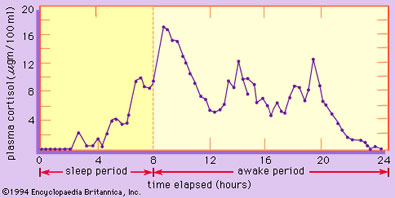 Cortisol has a natural cycle that works with your circadian rhythm. Your circadian rhythm, or circadian cycle, is a natural, internal process that regulates the sleep–wake cycle and repeats roughly every 24 hours. Normally, it rises around 6:00 AM and reaches its highest peak around 8:00 to 9.00AM. Healthy people have lots of energy in the morning. Throughout the day, cortisol gradually declines, with small upward bumps at meal times to prepare for night time rest.
Small snacks at 10.00am, 2.30pm and around 9.30pm can be very important for those who are very fatigued and who want to better help regulate their blood sugar levels throughout the day. You will feel better, have more energy, and actually be nicer to those around you! Just make sure you don’t snack on Twinkies, chocolate bars, donuts, or soda drinks. You will feel a lot worse if you do. Make the RIGHT choices.
Eating Regular Meals and Snacks Supports Your Adrenal Glands By:
- Optimising and ’smoothing out’ daytime cortisol levels
- Prevents the highs and lows of cortisol. Your energy levels will be more consistent.
- Helps to minimise night time cortisol levels. Ensures a more restful, restorative and satisfying sleep.
 It is ideal to work with this natural cycle to keep the tapering-off of levels as smooth as possible as the day progresses and to avoid dramatic difficulties. To do this, it helps to get most of your food in earlier in the day, preferably until lunchtime, and to eat an early dinner (by 5:00 or 6:00 PM). If it’s difficult to eat early, as it is for many of my busy patients, at least try to make your evening meal the lightest one of the day, to prevent a surge of cortisol from increasing your night-time metabolic rate and disrupting your ability to fall or stay asleep. Many patients tell me they have developed a tendency to over-eat in the evening. This “night-eating” habit is because of the appetite-stimulating effects of residual cortisol, and unfortunately, it only further disturbs your hormone axis.
Keep in mind that cortisol will also rise a little with exercise, and can stimulate or appetite. But don’t worry, your metabolic rate will have increased as well, ensuring your body more efficiently burns up fat in the process if you exercise long enough and make it a regular thing in your life. Lighter activities, such as a walk after dinner or a bit of gentle stretching before, will not subvert this natural tapering-off process. But to work in harmony with your body’s natural cortisol cycle, more intense exercise is best planned for the morning.
I’m not just hungry in the morning
There could be many reasons you don’t feel like eating breakfast in the morning. I learned years ago to eat breakfast like a king, lunch like a prince and dinner like a pauper, a famous quote from Adelle Davis, a very early advocate for better health through healthy nutrition.
Maybe you don’t feel hungry in the morning because of the following reasons
- The hormone called Corticotrophin-releasing hormone (CRH), has an interesting effect on your desire to eat foods, it kind of dulls the desire. CRH is secreted at higher levels in the morning, thus “blunting” your appetite or desire for foods.
- You may need to get your liver working a little better. Those with adrenal fatigue are in the habit of drinking too much alcohol or caffeine or eating refined carbs, which all can congest the liver. When the liver becomes sluggish (often with reduced adrenal function) it can also dampen the desire for foods first thing in the morning, especially so if your bowel function is not optimal.Those who drink morning coffee and evening alcohol will have a compromised liver function, and a good detox is recommended in these instances.
Health Tip: Even if there is little desire to eat in the morning, try to eat some protein within an hour after getting up, it will help to stabilise your cortisol levels early in the day, which will help to balance your metabolism. This will keep the extra pounds off and give you an acceptable level of energy throughout the day.
Support Your Body’s Natural Cortisol Cycle
Start Your Day with a Nutritious Breakfast
Eating your breakfast early is crucial for those suffering from morning fatigue. This meal helps boost blood sugar levels that have depleted overnight. A high-protein breakfast is essential for adrenal fatigue, and eating it as soon as possible after rising can make a significant difference. The term “break-fast” highlights this meal’s role in breaking an overnight fast.
Mid-Morning Snack for Blood Sugar Balance
A good time for a snack is between breakfast and lunch. This helps compensate for the natural drop in blood sugar levels between meals. If you wake up at 7:00 AM, consider having a snack around 10:00 AM to maintain your energy levels.
Timely Lunch for Sustained Energy
Be consistent with your lunch timing—don’t eat too early or too late. Ideally, have lunch between 12:00 PM and 1:00 PM. The energy from your breakfast and snack will be used up by then, so regular meals help keep blood sugar levels stable.
Afternoon Snack to Combat Mid-Day Fatigue
Plan for a healthy snack between 2:00 PM and 3:00 PM to get through the afternoon fatigue that often peaks around 3:00 or 4:00 PM. Opt for high-quality nuts, such as Brazil nuts or almonds, or a rice cracker with avocado. Explore various options and recipes to keep your snacks interesting and nutritious.
Light Evening Meal Timing
Aim to have your evening meal around 5:00 PM or 6:00 PM. Avoid eating too late, like 9:00 PM or 10:00 PM. Your evening meal should be the lightest of the day to prevent excess blood sugar from interfering with your rest.
Plan and Timing for Optimal Adrenal Support
By carefully planning and timing your meals and snacks, you can support your body’s natural rhythms and prevent dramatic blood sugar dips. This approach helps minimize unnecessary adrenal cortisol output and allows your adrenal glands to perform their secondary functions effectively. With improved energy levels and stamina, you’ll find your life more enjoyable and manageable.
Foods To Avoid With Adrenal Fatigue
It is not only important to think about when we eat; it is equally important to think about what kinds of foods and drinks we consume for balancing our blood sugar levels. The most popular foods of choice for those with fatigue are the refined carbohydrates, and it makes sense why we crave these foods. It is because they give our system the instant sugar it is looking for top boost our flagging blood sugar levels. After having seen patients with fatigue for many years, I have got used to them telling me that the foods they like to eat the most when they are tired are foods like cookies, cakes, doughnuts, white bread, canned spaghetti, 2 minute noodles or pasta dishes. These foods contain highly refined carbs such as sugar and flour, and allow a great surge of energy. Unfortunately, an even greater energy dip follows this surge, causing you to feel worse and even more tired.
Many patients with adrenal fatigue tell me they reach for foods that give them an instant burst of energy, foods likely to contain gluten, a protein found in many grains (including wheat, rye and barley, and oats) and frequently used as a food additive.
I’ve discovered in my clinical practice that many people with adrenal fatigue can become increasingly sensitive to gluten, as their immune systems become more and more compromised due to reducing cortisol levels.
For this reason, a gluten-free (essentially grain or wheat free) diet is one of the first things I suggest to my patients with symptoms of adrenal fatigue, particularly those with severe fatigue, and these patients often report feeling much better when they get the gluten out of their diets.
Coffee and Adrenal Fatigue
 In most all cities in the Western developed countries you will never have to look very far for a cafe. Many people with adrenal fatigue drink coffee in increasing amounts, or other caffeinated or carbonated beverages throughout the day just to stay pepped up and awake. They may think it’s not affecting their sleep patterns, but research has linked higher caffeine intake to classic “night owl” or “eveningness” behavior. Caffeine can pick you up in the short term, but it can also over-stimulate the adrenals, which only compound fatigue as it wears off.
If you crave caffeine or sugar, maybe your cortisol is too low, but it also simply may be that your body needs to rest. I encourage you to honour your body’s request and take a break, instead of always trying to step it up another notch. Take a quiet moment and treat yourself to some deep breathing or a ten-minute walk. And if drinking a cup of coffee is a relaxing part of your routine and you don’t want to give it up, drink it in the morning before lunch time when your cortisol levels are higher anyway, and preferably with something nutritious to eat.
On a recent trip to Seattle, I was blown-away at how much coffee was being consumed, even by those driving in their cars, and the cup holders were massive. A doctor mentioned to me that there is so much caffeine in the town water supply in Seattle, it was virtually impossible to filter it all out. A spin-off effect? Babies with insomnia, overstimulated kids and adults who just keep on recycling this caffeine.
Enjoy a cup a day by all means, but please be cautious with coffee, for it can become a veritable trap for those with fatigue.
The Right Drinks For Adrenal Fatigue
 Just as with food, your choices about drinks can contribute to the support or strain on your adrenal glands. Here are some good and not-so-good choices.
Are you a soda drinker? You will need to drop this habit if you want to recover from adrenal fatigue.
Adrenal depleting beverages. Alcohol, coffee, black tea, Gatorade, fizzy (soda) drinks like Coke, Fresh-Up, Mountain Dew, Red Bull, etc.
Adrenal restoring beverages. Teas like Ginseng (especially morning), liquorice, Rooibos (Red Bush Tea), vegetable juice like V8, or a quality Green tea.
Every day we make choices about what we eat and drink. Some days those choices are helpful for the body and other days — or meals — aren’t so helpful. What I encourage you to focus on is balance. Nourishing your body with balanced meals and snacks can do wonders for your energy and feed your adrenal health at the same time. Yet, you don’t want to be so stuck on eating “right” that you cause yourself more stress! I always tell my patients to follow the 80/20 rule – eat their best 80% of the time. The other 20% is up to them. Relax!
I didn’t include the keyword phrase “eating for fatigue” in the revised section. Here’s an updated version with the phrase integrated:
Eating for Fatigue: Helpful Foods
Essential Protein Sources
On the adrenal fatigue diet, focusing on eating for fatigue involves incorporating a variety of protein sources such as lean meats, fish, eggs, dairy, nuts, and legumes. These foods help provide sustained energy and support your adrenal glands.
Increasing Vegetable Intake
If you suffer from chronic adrenal fatigue, I highly recommend increasing your intake of vegetables. This ensures you get the necessary vitamins and minerals needed for recovery. Staying on this eating for fatigue plan for at least twelve to eighteen months or more can make a significant difference.
Importance of Hydration
In addition to maintaining a clean and healthy diet, drinking plenty of water throughout the day is crucial. Dehydration can lead to increased cortisol production by your adrenal glands, potentially heightening overall stress levels.
Choosing the Right Foods
Locally grown foods without colors, chemicals, preservatives, or added hormones are ideal. Opt for organic options when possible, and consider growing some of your own salad vegetables. However, don’t stress about eating everything organic. Diet anxiety can become an issue in its own right. Including some protein in all your meals and snacks, especially in the morning, will help stabilize your blood sugar and reduce caffeine and sugar cravings.
Simplifying Meal Prep
To ease the stress of eating healthfully, consider preparing nutritious foods on the weekends so they’re ready and available on busy weeknights. If you’re short on time, stop by a health food store to pick up healthy snacks and ingredients for quick, tasty, and nutritious meals during the week. Don’t feel guilty if your food isn’t homemade every day—just avoid junk food when eating out or getting takeaways. I always opt for a Thai restaurant or another healthier alternative over greasy options like fried chicken, fish and chips, or pizza. Remember, guilt is the last thing your adrenals need.
Aldosterone, Salt and Adrenal Fatigue
 People with adrenal fatigue may well crave salt or salty foods like potato chips, olives, crackers, pretzels or savoury foods and it surprises many patients when I tell them to honour this craving. Yes, salt can increase blood pressure, but only in the rare few, and low blood pressure (hypotension) is a very common sign of adrenal fatigue — at all stages. I like nothing more than to watch a movie with a bag of potato chips, and I’ll bet I’m not alone. But it is the salt I crave. I used to lick the salt off the chips before I ate them and then wanted the crumbs at the bottom of the bag too.
Sounds like you? Maybe your choice is pretzels, and you enjoy nibbling the salt from them. The sodium is what many crave with adrenal fatigue. Maybe you like olives with some sun-dried tomatoes, some soft cheese and a glass of wine? You get the point.
If you feel lightheaded when getting out of bed in the morning, standing up quickly, or getting up out of a bath or hot tub, you may very well have low adrenal function, and including more salt in your diet could be helpful. But try to make it good-quality sea salt or the Celtic salt. Please remember if you are a vegetarian, your blood-pressure may well be on the low side, which in your case may not show adrenal fatigue. Are you a vegetarian? Then get your iron and vitamin B12 checked if you are tired. I’ve given up counting how many vegetarian patients I’ve checked over the years with low B12 and iron who were exhausted, especially women. Monthly menstrual cycles with no red meats can spell anaemia, and resulting fatigue.
Salt Cravings Are Common With Fatigue
 Craving for salt in people with adrenal fatigue results from low aldosterone. Aldosterone is a steroid hormone produced by the adrenal gland, is part of the complex mechanism that regulates blood pressure in your body. Levels of aldosterone go up and down in much the same pattern as cortisol does, and likewise go up as a normal response to stressful situations. Production of aldosterone by the adrenals depends on how much cortisol-stimulating hormone (ACTH) is being sent from the brain.
The brain takes its signals from the amount of circulating cortisol — not circulating aldosterone — so high cortisol lowers the brain’s ACTH production, which decreases aldosterone secretion, leading to lower blood pressure. Another consequence of low aldosterone is electrolyte imbalance and cell dehydration, which both have negative effects on almost all physiological reactions in the body: aside from salt cravings, low blood pressure and light-headedness, patients with adrenal fatigue often experience an irregular heartbeat, lethargy, muscle weakness, and increased thirst.
These are all a result of an imbalance in sodium and other minerals, including potassium and magnesium. Increasing your salt intake is one way to help restore these imbalances.
A Nutrient-Rich Foundation Is Essential For Healing Adrenal Fatigue
If you decide to do nothing else for your adrenals, I urge you to provide your body with a strong nutrient base, and this can be as a good B Complex multivitamin tablet along with a magnesium dietary supplement.
A strong nutrient foundation also supports the hormone system overall. There is great synergism between the different organs of your hormone system, including the adrenal glands. Each organ and its secretions interact with the other organs to cause either an upregulation or down regulation, which keeps us in perfect balance. But as hormonal levels become deficient or excessive, the natural response of our cells is to compensate by increasing or decreasing their receptors for those molecules.
To do all this optimally, they need nutritional support.
Simple Changes Can Have a Big Impact
Your adrenal glands are tiny in comparison with many other organs. They are roughly the size of a walnut, yet they have enormous responsibilities in your body. When they are functioning at their peak, these small glands can help you feel energised when you need to be and relaxed when it is time for rest. They contribute to the production of oestrogen, testosterone, progesterone and so much more. But life’s demands can slowly drain the balancing power of the adrenal glands. Even the healthiest person’s adrenal glands, though evolutionarily equipped to handle periods of stress, become fatigued under chronic, unrelenting stress.
You have the power to lessen the burden on your adrenals — and your whole body. It doesn’t take much. The small choices you make in regards to your nutrition and eating patterns will make a difference. Here’s my advice to you: support your foundation with a high quality nutritional supplement and eat good food in harmony with your body’s natural daily rhythms. Soon you’ll find the energy you thought you lost — and it’ll be here to stay!
Emails:
Claire Johnson (California, USA) said,
“Thanks Eric, your article “Eating for your adrenal glands” is an excellent source of information for you to make the right choices in the kitchen. Much useful information on this website. Also good to see that your web site is not full of products making ridiculous claims”
Joanna Warwick (Sydney, Australia) said,
“Great article Eric, and very timely for me too. I have been drinking between 5 to 7 cups of coffee a day (and three of those was in the morning before lunch!) and couldn’t work out why I was so tired all the time. Now I know, I’ll have eggs for breakfast instead of a coffee and a doughnut”.
Related Articles:
- Burnout
- Adrenal Fatigue
- Adrenal Fatigue Diet
- Adrenal Fatigue FAQs
- Adrenal Fatigue And Stress
- How To De-Stress
- Eating For Fatigue
- Fatigue Syndrome
- Coping With Stress
- Stress And Your Gut
- Stressing Your Children Out?
- Stress Is A Nervous System Reaction
- Why Am I Tired And Stressed All The Time?
- Muscular Tension Is Common With Stress
- Managing Your Stress Or Managing TO Stress?