
A high fibre diet affects most parts of your digestive system. It increases the amount of time you chew which results in increased salivary and gastric juice flow. This decreases dental plaque and tooth decay, satisfies your appetite more quickly and as a result reduces your total calorie intake. What does that mean? It means you feel fuller sooner and eat less, and that means weight loss.
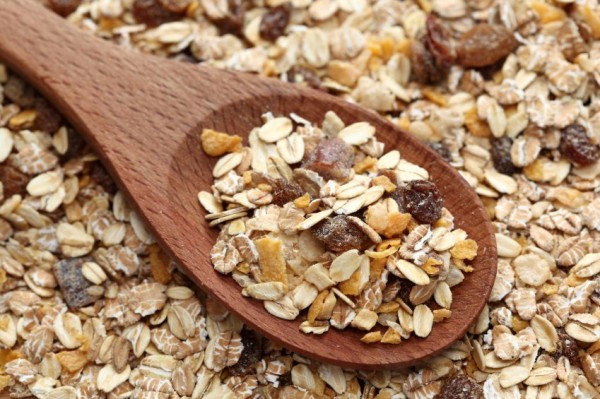
A high fibre diet offers numerous benefits for your digestive health and overall well-being. By incorporating high fibre cereal into your daily routine, you can easily boost your fibre intake.
Specifically, high fibre foods increase the time you spend chewing, which, in turn, stimulates salivary and gastric juice production. So,this process not only helps reduce dental plaque and tooth decay but also allows you to feel fuller faster. As a result, you’re likely to consume fewer calories, thereby aiding in weight loss.
What’s more, the advantages of a high fibre diet extend beyond mere appetite control. Soluble fibres, for instance, can help lower cholesterol levels by promoting bile acid removal, reducing fatty acid and cholesterol absorption, and decreasing cholesterol synthesis. Also, soluble fibre binds to cholesterol, facilitating its elimination. These effects contribute significantly to heart health and can assist in managing weight more effectively.
High Fibre Cereal Recipe to Kickstart Your Day
Incorporating high fibre cereal into your diet is not only tasty but also a nutritious way to reap these benefits.
So, here’s a simple recipe to get you started:
– 30 grams sunflower seeds
– 30 grams pine nuts
– 30 grams flaked almonds
– 30 grams sesame seeds
– 30 grams roughly chopped pecans
– 50 grams whole or ground linseed (LSA mix is fine)
– 20 grams puffed millet, rice, or quinoa
– 20 grams shredded coconut
– 30 grams puffed rice, puffed millet, or puffed quinoa
– Natural yogurt (a little natural yogurt is fine; no need to avoid 100%)
– Frozen or fresh mixed berries (e.g., blueberries)
1. Mix all the nuts, seeds, and cereals together in a large bowl.
2. Measure one serving into a breakfast bowl.
3. Add a handful of mixed berries.
4. Serve with 1-2 dessert spoonfuls of organic natural yogurt or a splash of rice, oat, or almond milk.
 Blueberries are a powerhouse of antioxidants. Notably, they provide immunity-boosting benefits and have antioxidant levels equivalent to five servings of broccoli.
Regularly eating blueberries can improve blood circulation, enhance eyesight, fight urinary tract infections, and offer anti-inflammatory effects. Additionally, blueberries may help prevent cancer, protect against dementia, heart disease, and strokes. Aim to include them in your diet 3-4 times a week for maximum health benefits.
For more tips on incorporating high fibre foods into your diet, check out our High Fibre Foods Guide.
By adding high fibre cereal and other fibre-rich foods to your diet, you’re taking a significant step towards better health. Enjoy the benefits of improved digestion, lower cholesterol, and overall well-being with every meal.