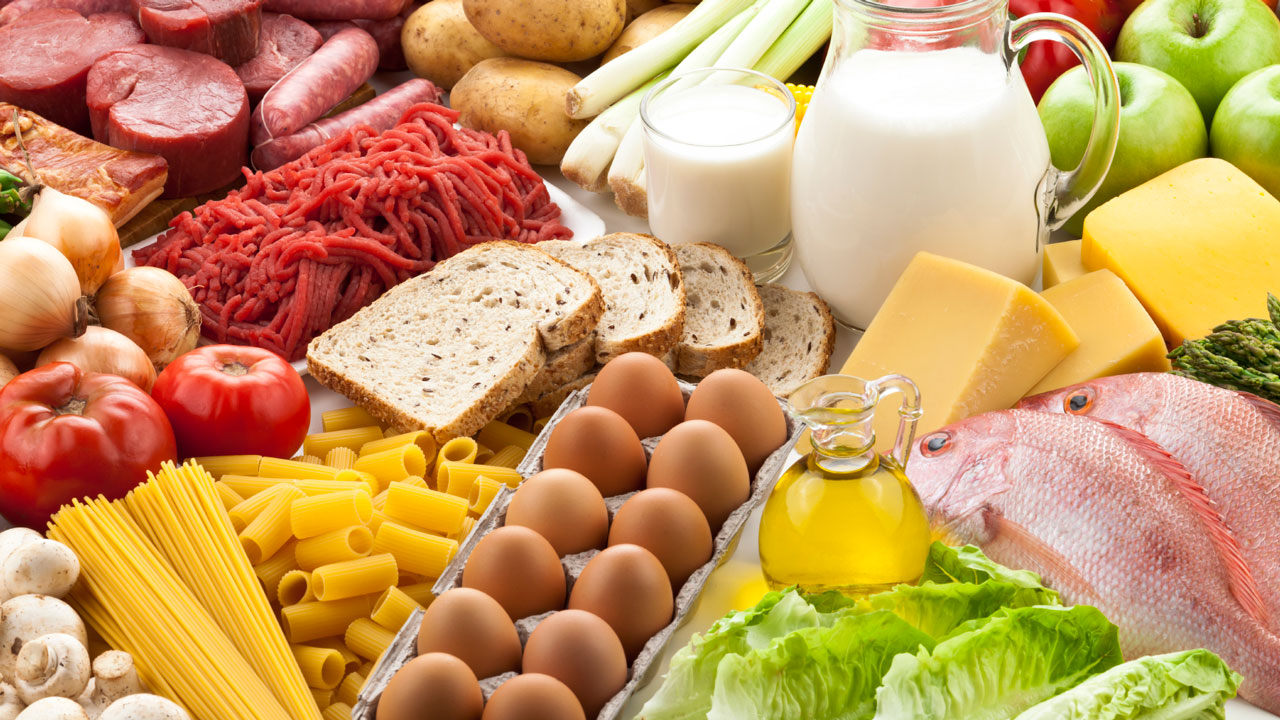
Vitamins and minerals are necessary for body processes such as infection prevention, wound healing, bone strength, and hormone regulation and so much more. Consuming a variety of fruits, vegetables, whole grains foods and cereals, lean meats, and nuts and seeds will provide your body with the vitamins and minerals it requires at the proper levels and in the proper balance. There are 13 vitamins in all, with eight of them belonging to the B group.
Did you know that there are plenty of non-dairy sources of calcium? There are many foods you can eat that are rich sources of calcium, including many seeds and nuts. Bottom line is, you don't need dairy foods to get...
Read More
Are you still believing the skeptics? Some will have you believe that dietary supplements are "linked with cancer". Do you own research and you'll soon find out online that this isn't the case!
Read More
Are the vitamin supplements you use providing complete nutrition or only a fragment of true nutrition? If you know what to look for, the answer can be found in the ingredients of the supplement. The key is to look for...
Read More