
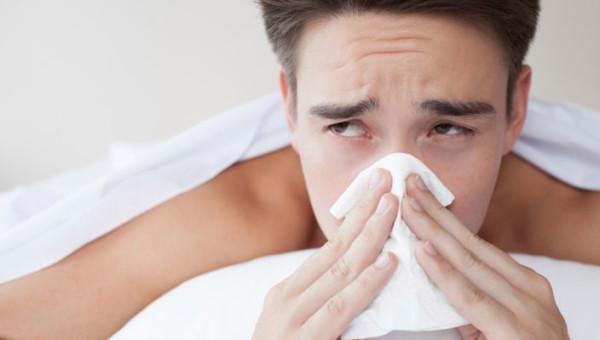
This article will focus on both acute and chronic sinusitis causes, signs and symptoms. In part 2, you'll be able to read all about sinusitis treatment. How many people do you know that sniff, clear their nose or throat, or have a handkerchief up to their nose? Some sinus sufferers have an almost continual facial pain or low grade headache, some rely on drugs like pseudoephedrine, paracetamol or even steroidal nasal sprays to get relief from this awful affliction.
I decided to write this two-part article because I’ve seen many patients with sinusitis and have personally suffered from it for years. I discovered that my infection was caused by diseased teeth, so I understand how you feel with a chronic condition. Let’s explore how you can potentially clear up your sinusitis, as I did.
Sinusitis can stem from a lingering infection from a cold or an ear, nose, or throat issue, an undiagnosed food allergy, or even a dental problem like a low-grade oral infection from a root canal. I aim to show you how to find relief from this annoying condition, affecting almost one in ten, without relying on drugs or surgery.
In this issue, we’ll cover what sinusitis is, its signs and symptoms, possible causes, and conventional treatments. In the next issue, I’ll share some of the most effective treatments I’ve found.

The sinuses are hollow, air-filled spaces in your head lined with mucus membranes. Their exact function is unclear, but some believe they lighten the head and may aid in hearing. There are four sinus spaces: the frontal sinuses above the eyes, the maxillary sinuses beside the nose behind the cheekbones, the sphenoid sinuses behind the bridge of the nose and eyes, and the ethmoid sinuses between the eyes.
Each sinus has a narrow opening connecting it to the back of the nose. Most sinusitis cases involve the maxillary and frontal sinuses, especially in acute cases. Chronic sinusitis (lasting longer than three weeks) can affect all the sinus cavities. When drainage holes become clogged, pressure builds up from excess mucus, causing pain and pressure in the face. Anyone with recurrent sinusitis knows this pain can be debilitating.
Here are some of the typical signs and symptoms, they can vary widely from case to case, depending on which sinus cavities are affected:
is the excessive secretion of mucus from the membranes of the nose, the throat, sinuses and the upper respiratory tract. Repeated episodes of catarrh can often lead to that annoying post-nasal drip, which itself can lead to a chronic and annoying cough.
Post nasal drip can occur, particularly at night or early in the morning the person may cough.
Generally low grade, but with a severe case of acute bacterial sinusitis the fever can be very high.
A common sinusitis symptom – typically, facial pressure leads to a headache. A nice hot pack, acupressure or acupuncture can help tremendously here.
Because the drainage holes from the sinuses are narrow they block up easily. A sensation of partial deafness or blockage in the ear may also occur, particularly with little kids, who may start to talk rather loud after a cold! This is because the Eustachian tube, which connects the middle ear to the back of the nose, blocks up in just the same way as the nearby sinus openings.
The person may have a blocked nostril, particularly worse when they lie down at night. The sense of smell is often affected. Chronic sinusitis sufferers sometimes smell little to nothing.
Facial pain is a more common symptom, sometimes a nerve in the face can be affected, and swelling may cause compression of the facial nerve leading to pain like a toothache. Many people think they actually have a toothache or a tension headache, when in fact it is the sinuses which are inflamed causing the headache. I’m sure many a dentist can relate to this! If you put mild pressure just over the eyes (sphenoid sinus) or around the cheekbones (maxillary sinus), or around the bridge of your nose (ethmoid sinus) and it causes pain – your sinuses are generally affected.
A sensation of pressure in the head or around the face can occur. This will be particularly present with the congestion and infection of the deeper sinus cavity of the sphenoid sinus, especially if the eyes hurt or feel they are under pressure. The person may also have photophobia (sensitivity to sunlight). Please don’t make the mistake of going on a plane flight (or diving under water) when you have sinusitis. It could really ruin your holiday or trip, I know from past experience myself. Pressurised cabins on board can give you the “headache from hell”, it happened to me.
I find that some patients with chronic sinusitis have problems when they lie down, difficulty in breathing can cause snoring and loss of sleep. Pressure in the head can occur with a positional change in the head, and this relates to a problem again with the drainage of the sinuses. A hot pack at night to the face can offer speedy relief in many cases here.
Allergic Fungal Sinusitis (AFS) is a type of chronic sinusitis caused by allergic reactions to harmful fungi in the sinuses. Astonishingly, 93% to 97% of chronic sinusitis patients have AFS. The dark, warm, and moist environments of the sinus cavities are perfect for various fungi, bacteria, and other harmful microorganisms to thrive.
Think of it like weeding your garden: you pull out a few weeds, only to find more have grown back. Many people use Roundup (antibiotics) for a quick fix, but if you’re dealing with the tough oxalis weed (AFS), it’s like battling an overgrowth of stubborn bugs. These micro-organisms persist and require a relentless approach to combat.
Forget surgery—there are ways to win back your sinuses. You can stop the drip, foul smells, ongoing sniffles, headaches, sore eyes, sore ears, cough, and that dreadful “trickle down the back of your throat.”
Check out our article on Sinusitis Treatment to learn what you can do.
Excess mucus production leading to sinusitis typically stems from infection or allergy. An ENT surgeon might quickly attribute your sinusitis to a “narrowing of the sinus passages” or a “deviated septum,” suggesting surgery as a quick fix. However, I’ve treated many sinus patients who found no improvement from facial surgery, even after a year.
While anatomical defects can cause sinus issues, they are rare and usually result from accidents or injuries, like a car crash or a fall. Such cases require careful assessment before considering surgery. Avoid rushing into surgery unless absolutely necessary—acting hastily can lead to regret.
Food Allergies or Food Intolerances
 You can find more information about Food Allergies and Food Intolerances on our detailed page. Naturopaths often see many sinusitis and hay fever cases in Spring as allergies peak when pollen is most abundant. Food allergies, intolerances, or sensitivities to environmental chemicals can cause swelling in the mucous membranes lining the sinus cavities.
Allergies can occur in response to various triggers, including dietary allergens, house dust, mould, fungus, and even pets like cats, dogs, or horses. Common dietary allergens linked to sinus issues include mucus-producing dairy products—especially cow’s milk and ice cream—as well as often-overlooked foods like bananas, bread, biscuits, pasta, noodles, processed cereals, and refined sugars. Protein-rich foods generally don’t cause these issues.

This is a commonly overlooked sinus problem. I’ll never forget a patient in her 60’s who suffered from sinus almost all of her life. Once we discovered it was salicylates causing her grief, she commenced a salicylate free diet. The patient’s sense of smell came back and her sinus eventually cleared up completely.
Salicylates are chemicals that occur naturally in many plants, acting as preservatives to delay rotting and as protectants against harmful bacteria and fungi. They are a type of insecticide which are designed to protect the plant from various bugs and insects, which they readily poison.
Salicylates can affect some adults considerably however, and can particularly affect younger children. Sometimes the salicylates will cause the child’s behaviour to be really hyper. This is particularly so when a child experiences asthma or eczema as well. Read further here about how burgers may be linked to children with asthma
Nasal polyps and sinusitis are both problems stemming from salicylates and aspirin intolerances.
The highest containing salicylate foods are most berries, citrus, capsicum, champignon mushroom, chicory, endive, gherkin, radish, tomato products (tinned and paste), zucchini, green olive, red chili, almonds, honey, liquorice, peppermints, any confectionery containing mint, normal tea, peppermint tea, liqueurs, port, rum and wines.
 I have found that root canal therapy, particularly in the upper jaw, can lead to sinus infection. Think about it, the maxillary sinus are right on top of the teeth in the upper jaw, and even the tiniest infection can cause a continual “seeding” of the maxillary region. You may like to read Dental Diseases.
Patients with sinus problems from dental issues often do not report tooth or mouth pain, leading many clinicians to miss the correct diagnosis, according to Columbia University’s School of Dental and Oral Surgery.
I always ask sinusitis patients: “When did you last see a dentist? Have you had any root canal therapy or known dental problems, especially in the upper jaw?” It’s surprising how many confirm they have one or more root canals, often on the same side as their sinus issues. If you have recurring sinus problems and a root canal, see your dentist soon.

Chronic sinusitis is usually treated with antibiotics, but since antibiotics poorly penetrate the sinus cavities, extended treatment is often needed.
However, some American studies show that antibiotics are effective only for the most acute maxillary sinusitis cases and are largely ineffective for chronic (often fungal) stages. This is because antibiotics rarely reach bacteria or fungi located in bone tissue.
The New England Journal of Medicine (Vol. 330, 1994) provides evidence that antibiotics are generally not needed for treating sinusitis.
A study published online in 2018 concludes: “Considering antibiotic resistance, and the very low incidence of serious complications, we conclude there is no place for antibiotics for people with uncomplicated acute sinusitis. We could not draw conclusions about children, people with suppressed immune systems, and those with severe sinusitis, because these populations were not included in the available trials.”
In my experience, there is also no place for repeated prescriptions (sometimes for years) for chronic sinusitis either. These people end up in my clinic with a ruined digestive system. Comprehensive stool tests revealed that such patients developed major issues with SIBO of Candida yeast infections. Plus, they still had sinusitis, even worse in some cases.
 Studies show that most people with colds have sinusitis visible on sinus CAT scans. However, their immune systems typically cure sinusitis within one to two weeks without any antibiotics. Despite this, millions are spent on drugs in New Zealand. Some claiming to “cure” immune-related illnesses, which would likely improve on their own.
In 2006, over half a billion dollars was spent on pharmaceutical drugs in New Zealand alone. Imagine the spending in the USA, where healthcare spending in 2006 was $2.1 trillion, an 8.5% increase.
Even when bacteria invade the sinus cavities, the effectiveness of antibiotics and the individual’s response to them often don’t match. Doctors might say, “well, let’s try this one”. But you may end up with a drug that doesn’t target the specific bacteria. This can kill not only the harmful bacteria but also the beneficial ones. Repeated antibiotic use can lead to fungal overgrowth (candida) and weaken your immune health. Thereby creating a cycle of drugs, sinus symptoms, and ongoing health issues. If this sounds like you, it’s time to step off the drug “fun park.”
An article in the Journal of Allergy and Clinical Immunology (Vol. 91, 1993) discusses that children with sinusitis do not improve more with antibiotics than without them. Unfortunately, children are rarely recommended lifestyle changes when they visit a clinic with sinusitis. Their diet is often not adjusted. Mucus-promoting foods are not reduced. And there are no suggestions to use essential oils to relieve congestion.
No lower-risk treatments are offered, nor are there recommendations to drink more water and less milk or soda. Caregivers are likely only told in a rushed three-minute visit to put the child on a ten-day antibiotic course.
In part 2, you will learn how to get lasting relief from sinusitis.