
Breastfeeding is nature's perfect way of providing your baby with essential nutrients and immune support while fostering a deep emotional connection. Its benefits extend beyond infancy, offering long-term health advantages for both mother and child.
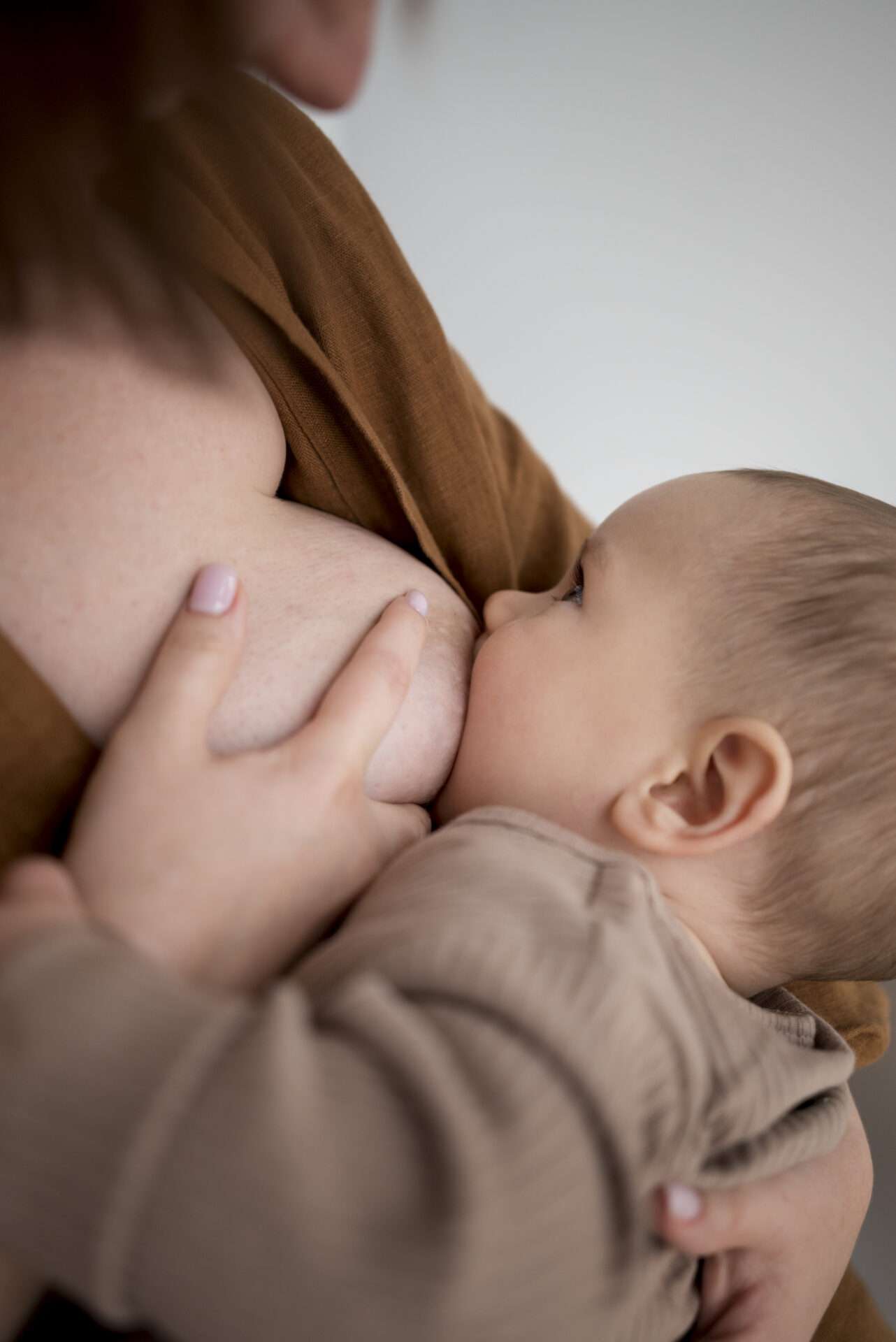
Breastfeeding is one of the most natural and profound ways to nourish your baby, providing unmatched health benefits for both mother and child. In this comprehensive guide, we’ll explore the remarkable advantages of breastfeeding from a natural health perspective, offering insights into how it supports immunity, emotional bonding, and overall well-being.
Breastfeeding is more than just a means to feed your baby—it is nature’s way of delivering the perfect combination of nutrients, antibodies, and emotional support to help your baby thrive. The benefits extend far beyond nutrition, impacting the long-term health of both the mother and baby.
Breast milk is often referred to as “liquid gold” for good reason. It contains the ideal balance of fats, proteins, vitamins, and minerals that your baby needs for healthy growth and development. Importantly, breast milk is easy for your baby to digest and adapts over time to meet their changing nutritional needs.
One of the most notable natural benefits of breastfeeding is its ability to support your baby’s immune system. Breast milk contains antibodies, particularly immunoglobulin A (IgA), which helps protect against infections and illnesses. These antibodies can ward off common issues such as ear infections, respiratory problems, and digestive issues.
By breastfeeding, you’re essentially passing on your body’s natural defenses, building a strong foundation for your baby’s immune health.
Breastfeeding is linked to enhanced brain development, thanks to the unique fatty acids like DHA (docosahexaenoic acid) present in breast milk. Studies show that children who are breastfed tend to have higher IQ scores and better cognitive function as they grow older. This is yet another reason to consider breastfeeding as part of a natural and holistic approach to early childhood development.
Breastfeeding offers far more than physical nourishment—it’s a time for bonding. The act of breastfeeding releases oxytocin, often called the “love hormone,” which strengthens the emotional connection between mother and baby. This bonding is crucial for your baby’s emotional and psychological development.
The benefits of breastfeeding are not limited to the baby. Mothers also experience a range of physical and emotional benefits that support long-term health and well-being.
Breastfeeding stimulates the release of oxytocin, which helps the uterus contract and return to its pre-pregnancy size. This reduces postpartum bleeding and helps the body recover more quickly after birth.
Breastfeeding can also aid in postpartum weight loss. Producing milk requires extra energy, meaning mothers who breastfeed burn more calories throughout the day. This natural energy expenditure helps many mothers return to their pre-pregnancy weight without needing to diet or exercise excessively.
Studies show that women who breastfeed have a reduced risk of developing breast and ovarian cancers. The longer the breastfeeding duration, the greater the protective effect. This benefit is believed to result from hormonal changes that delay the return of the menstrual cycle, lowering lifetime exposure to certain hormones that may contribute to cancer risk.
Breastfeeding plays a pivotal role in both short-term and long-term immune health. The natural benefits of breastfeeding extend to offering lifelong protection against a variety of conditions.
Breastfeeding has been shown to lower the risk of many chronic conditions later in life, including Type 2 diabetes, asthma, and obesity. This protective effect is believed to come from the unique bioactive compounds in breast milk that help regulate immune responses and metabolism.
Breastfed babies tend to have a lower incidence of allergies and eczema. Breast milk helps promote a healthy gut microbiome, which plays a crucial role in the development of the immune system and the body’s ability to tolerate potential allergens.
While breastfeeding is a natural process, it doesn’t always come easily.
Here are a few practical tips to ensure a successful breastfeeding experience:
– Stay Hydrated: Producing milk requires extra fluids, so make sure you drink plenty of water throughout the day.
– Eat a Balanced Diet: Focus on whole, nutrient-dense foods to provide your body with the energy and nutrients needed to support breastfeeding.
– Find Support: Whether it’s a lactation consultant or a supportive community of mothers, having guidance and encouragement can make a big difference.
In New Zealand we’re blessed with Plunket Line for breastfeeding mothers as well as lactation consultants. I’ll look for some links to insert here for USA based breastfeeding support.
– Trust the Process: Every baby is different, and it may take time to establish a breastfeeding routine that works for both of you. Be patient with yourself.
The World Health Organization (WHO) recommends exclusive breastfeeding for the first six months of life, followed by continued breastfeeding along with complementary foods for up to two years or beyond. However, the duration of breastfeeding is a decision that depends on the needs of both the mother and baby and family. The breastfeeding health benefits are most significant when breastfeeding is sustained for at least the first year of life.
Breastfeeding is one of the most empowering and natural ways to support your baby’s health. From boosting immunity to fostering emotional bonding, the benefits of breastfeeding are undeniable. As a mother, breastfeeding also offers you a unique opportunity to connect with your baby while improving your own health.
By choosing to breastfeed, you’re embracing a natural, healthful way to give your baby the best possible start in life—one that will provide lasting benefits for years to come.