
There are many different diets recommended for heart health. Personally, I've found the Mediterranean diet one of the best as it contains all the elements that improve circulation, reducing inflammation and high blood pressure. And - it's back by research.

High Blood Pressure Diet: When it comes to following a heart healthy diet, many people are searching for that one magic food to optimize their health. However, heart health isn’t just about oatmeal and omega-3 fats; it’s crucial to include a wide range of nutrients. A varied diet not only provides essential nutrients but also helps you maintain a heart-healthy lifestyle in the long run. By incorporating a diverse selection of heart-healthy foods into your meals, you’re more likely to stick with it.
There’s an abundance of fruits and vegetables in various colors, shapes, and sizes that are great for your heart. By eating these foods recommended on this page every day, you can significantly reduce your risk of developing cardiovascular disease.
We’ll guide you on the best and not-so-good choices to make.
The best diet for high blood pressure is one that is low in animal fats, high in complex carbohydrates, fresh fruits and vegetables, legumes, whole grains, essential fatty acids, high fibre foods and coloured vegetables packed full with antioxidants.
We recommend you eat non-fat yoghurt, chicken with most of the skin removed and grilled or steamed fish, avoid red meats and pork.
Foods to avoid include processed meats like sausages, refined white and artificial sugars, margarine and white refined salt.
Fresh produce provides one of the major cornerstones for a heart healthy diet because they supply the necessary vitamins and minerals, high fibre and in addition help wipe out free radicals in the bloodstream and thereby protect blood vessels.
One of the best diets for a healthy heart and circulatory system is a whole-foods diet, and the best diets are those where everything is in its natural form – and the less processed the better. The National Heart, Lung and Blood Institute recommend the DASH Eating Plan which supports just this. You can visit the NHLBI here
Examples include whole grains, beans and legumes, nuts, fatty fish, and certain teas—all of which provide a variety of complex heart-protective phytonutrients.
Click here to download our High Blood Pressure Eating Plan
A healthy diet is one of the primary alternatives to prescription heart drugs.
Numerous studies show that a low saturated fat and hypertension diet not only helps prevent heart disease but can also reverse it. In a study conducted by Dr. Dean Ornish, published in the Journal of the American Medical Association (1983), 23 heart patients followed a low-fat diet and were taught stress reduction techniques as their main therapy. Many of these patients experienced up to ten angina attacks per week. Nearly 30 percent had already suffered a heart attack, and all were on heart medications. The combination of the low-fat diet and stress reduction led to an incredible 91 percent reduction in angina attacks.
Angina attacks were reduced from two per day to just one per week!
But the most remarkable results were yet to come.
 Dr. Dean Ornish demonstrated in the 1980s that diet and stress reduction can actually reverse heart disease.
One year later, the study group was compared with another group of patients who took standard heart medications but did not focus on diet or stress reduction.
The low-fat and hypertension diet group experienced much quicker symptom relief, and their dietary regimen actually reversed their blocked coronary arteries! In contrast, those on standard medications showed an increase in artery blockages around the heart.

For a glimpse into your heart’s untapped potential, look to Okinawa, a Japanese island group in the East China Sea. Okinawa boasts the world’s highest proportion of centenarians, with 35 people over 100 years old per 100,000 residents, compared to less than 25 per 100,000 in Australia and New Zealand.
The Okinawan lifestyle emphasizes serenity, spirituality, daily exercise, and a diet very low in saturated fats but rich in fruits, vegetables, soy protein, and fish.
Remarkably, Okinawa’s death rates from coronary artery disease (CAD) are 80 percent lower than those in Australia and New Zealand.
When journalists and researchers learned about Okinawa’s heart-healthy lifestyle and diet, they flocked to the island and were amazed to find fit, healthy, and active older people living full lives without the need for drugs, nursing homes, surgeries, or life-support systems.
A documentary on Okinawa even featured a 100-year-old villager with better fitness levels than a film crew half her age, a 96-year-old martial artist who defeated a 36-year-old boxing champion on live American television, and a 105-year-old woman who easily handled poisonous snakes. Citizens in their 90s were seen living active lives, including daily ocean swims and even horseback riding.
The conclusion? If Australians and New Zealanders adopted the Okinawan way of life, many coronary care units could be “permanently shut down.”
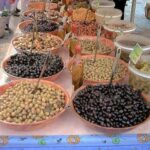
A study published in The Lancet found that men living on the island of Crete, who followed a diet rich in Mediterranean sun-ripened produce, beans, olives, local olive oil, wine, and plenty of fish, experienced a remarkable 50 to 70 percent reduction in the risk of recurrent heart disease compared to men following a “healthy” Western diet.
But here’s the surprising part—this significant reduction in heart disease occurred despite cholesterol levels in both the Cretan and Western diet groups being nearly identical! Still believe that “lowering cholesterol” is the key to a healthy heart? It might be time to reconsider.
| 1) | Fresh fruits and vegetables. |
| 2) | Power up on protein |
| 3) | Choose low fat milk and dairy choices. |
| 4) | Replace margarine with olive oil or butter (sparingly) |
| 5) | Reduce refined white salt; eat unrefined salt |
| 6) | Eat like a Cretan or an Okinawan |
–Our distant ancestors were hunter gatherers and recent British research has discovered that early man did not exist on large amounts of meat, but ate small amounts of meat sparingly. Early man ate a wide variety of seeds, grains, nuts, roots, fruits and vegetables, and our bodies have thus evolved over time to expect large and regular doses of foods brimming with antioxidants, soluble fibres and packed with many nutrients such as phytosterols. Without these foods in our diet, our heart risk rises.
Aim to eat at least 6-8 servings daily, consisting of 2 pieces of fruit, 1 cup raw leafy or salad vegetables, 1 cup cooked vegetables, 1 tomato or 1 carrot or 1 small avocado.
– A great juice for the heart is 100% grape juice.
–Choose a variety of grain products, but choose whole grain preferably. Aim to eat at least 6 or more serves of whole grained foods and starchy vegetables. An example of a daily intake could be the following: 1 medium slice of wholemeal or multi grain bread, 1/2 cup wholemeal pasta or whole rolled oats, 1/2 cup whole wheat cereal, 1/2 cup sweet potato and 3 whole grain crisp breads. Carbohydrates are fine, but adopt Low GI Eating .
– Lean meats and eggs are packed with homocysteine-lowering B vitamins. Fish will give you Omega 3 fatty-acids that keep your heart rhythm steady and assist in keeping the blood thin. Poultry, including chicken and turkey are an excellent protein low in artery-clogging fats.
Proteins will help to keep food cravings at bay and will stop over-eating because they make you feel full for longer. Beans, pulses and legumes like chickpeas, kidney beans and lentils are rich in high quality proteins and just happen to be very high in fibre as well. This is very important, because it is this high fibre which will help to carry the bad cholesterol out of your body.
The problem with protein, however, is that it has the potential to contain too much animal fat, and this can raise your level of harmful LDL, increasing your risk of a stroke or heart attack. Be smart – choose low fat proteins, and avoid meats like sausages and salami and bacon (unless very lean), which are notorious for containing large amounts of fat.
– We believe that the healthiest protein for your heart is fresh cold-water deep sea ocean fish. Salmon, tuna, sardines, herring, anchovies and mackerel are all good choices of fish containing good levels of omega 3. It is best to get three to four serving of fish per week.
If you are not keen on seafood, take a few omega 3 fish oils capsules daily and eat some walnuts, they are the only nut containing appreciable amounts of omega 3.
– Viewed by many as vegetarian (or “poor”) way of eating, beans are a great and are often a completely overlooked source of protein by many people who live in the Western developed countries. Relatively few people take the time to cook interesting and varied recipes that include beans, and you can work wonders for your heart health by discovering the versatility that bean dishes can bring to your table.
Try making meatless Mexican taco, burrito or chilli dishes. You can make hearty soups or even add canned red kidney beans or chickpeas to salads.
Eat between 1-3 serves of protein depending on your calorie requirements – a 150 gram can of ‘lite’ tuna, 2 small or 1 large fillet of cooked fish, 1/2 cup lean beef mince or casserole, 1 cup cooked dried beans. Aim for fresh fish often, and oily fish is the best for heart health, e.g mackerel, tuna, sardines, anchovies.
–Eat 2-3 serves depending on your calorie requirements 1 cup trim or very low-fat milk, 1/3 cup cottage cheese, 1 small container of low-fat yoghurt, 2 Tbsp grated Parmesan cheese. Dairy is NOT the best choice for those with established coronary artery disease.
–Eat more nuts, and try different nuts you may not have had much before – like macadamias, walnuts, hazelnuts or pistachios. Sprinkle them on cereals, salads, yoghurt, stir-fry dishes and many other meals or snacks. Ensure you don’t overeat nuts and have unsalted to make sure you keep your blood pressure in check.
Choose products made from olive, sunflower, rice bran, canola, or safflower oil.
Other good choices are sesame, pumpkin and sunflower seeds or almond and Brazil nuts.
Eat 3 or more serves depending on calorie requirements. Avocado is another excellent choice, but walnuts are the best nut for the heart as they contain omega 3.
– These spreads contain monounsaturated fats, high levels of protein, vitamin E, fibre and various minerals like calcium and magnesium. Spread them on some pure rye bread or use as dips for baby carrots, slices of apple, pears or pieces of carrot and celery.
– Remove most of the skin from chicken or turkey and trim the visible fat from all meats, and replace cream for yoghurt in recipes where possible.
– Buy an olive oil sprayer and use in your cooking. Use olive oil or sunflower oil instead of “blended” vegetable oils. A small amount of butter is acceptable, and we recommend that you avoid margarine. Coconut oil is proving to be an excellent choice, even though it is a saturated fat, it does not appear to be a cause of heart disease.
– Avoid packaged snacks and baked goods with partially hydrogenated fats or oils listed as ingredients. Use olive oil instead. Most Australian and NZ food manufacturers have been trying to remove all trans fats from spreads.
– Between 6-8 (non-alcoholic) drinks daily – choose from water, one cup tea, one cup of coffee and/or dilute fruit juice.
– Low to moderate alcohol consumption can be an enjoyable and positive aspect of social life. This level of consumption has also been shown to have a protective effect against heart disease. This benefit is likely due to the relaxing effect of alcohol on the individual.
However heavy drinking is associated with an increased risk of coronary heart disease and stroke, particularly if the person smokes.
Remember, it can be a slippery slope with the units of alcohol consumed each day slowly creeping up though.
Keep reading our article on How to Control Blood Pressure with Lifestyle