
Cold sores are tiny blisters that usually appear on or very near the lips. A crust forms over the sore after the blisters have broken. Cold sores normally heal without leaving a scar in two to four weeks. Although there is no cure, various medicines can speed up the healing of cold sores.
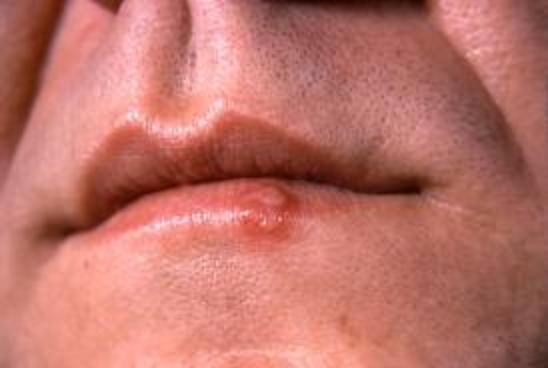
Cold sore treatment is frequently requested at my clinic. You probably know a few people with cold sores, as they affect twenty percent of the population. Cold sores are another form of the herpes virus, just like shingles (herpes zoster). Studies show that both oral (type 1 herpes simplex) and genital herpes (type 2 herpes simplex) are very common. In Australia and New Zealand, statistics indicate that about one out of five adolescents and adults are infected with the herpes simplex virus. The most common types of herpes are herpes simplex type 1 (cold sores), typically transmitted through oral/saliva contact (kissing), and herpes simplex type 2 (genital herpes), usually transmitted through sexual contact. The herpes family of viruses also includes chickenpox, shingles (herpes zoster), and glandular fever.
Cold sores (herpes type 1) can be embarrassing for many people, especially those who experience them inside their nose or on the tongue. Years ago, herpes type 2 was viewed as severely as contracting syphilis, but today, we are much more accepting of those with herpes. Consider those who do not respond well to conventional antiviral treatments or who experience major side effects. These individuals often turn to naturopaths after exhausting all other options. My encounters with such patients over the years inspired me to write this article, which I trust will benefit anyone suffering from this common condition.
There are two types of herpes simplex viruses:
1. Herpes Simplex Virus Type 1 (HSV-1): This virus is responsible for cold sores in and around the mouth and lips. You may get HSV-1 infection by coming into contact with the saliva of an infected person, such as through kissing. However, did you know that genital herpes can also be caused by HSV-1 through oral/genital contact? It is possible to infect the genital area with the virus via contact with a cold sore.
2. Herpes Simplex Virus Type 2 (HSV-2): This virus causes genital herpes. You can get HSV-2 during sexual contact with someone who has a genital HSV-2 infection. For most people, genital herpes is an occasionally recurrent, sometimes painful condition that causes small blister-like sores. Anyone who is sexually active is at risk of catching genital herpes, regardless of their gender, race, or social class. What is not commonly known is that HSV-2 can cause cold sores.
After the initial acute flare-up following infection, the virus lays dormant in nervous system tissue. For HSV-2, the virus can lay low in the ganglion (nervous system tissue) of the lumbar or sacral spine (lower back). I have seen patients who complain of pain or discomfort in this region during flare-ups, and I have even associated some cases of a flare-up with chiropractic treatment. For HSV-1, however, the virus will lay dormant in the nervous tissue of the cervical (neck) spine until a trigger occurs, causing the lip to tingle.
Cld sore symptoms can vary tremendously, and many of those with a herpes infection have few, if any, noticeable symptoms. In people who do have symptoms, the symptoms can begin anywhere from a few days up to three weeks after the person was exposed to someone with HSV-1 or 2 infection.
Initially, the symptoms may last for several weeks, and the first acute episode of herpes is usually worse than outbreaks that come later. The first time a person has a herpes infection, it is common for them to develop a fever for a few days, some may develop night sweats or have swollen lymph nodes in the armpit or groin on the affected side.
Symptoms vaguely similar to those of flu may accompany these outbreaks, including fever, headache, muscle aches and fatigue. The person will experience a generalised feeling of fatigue and discomfort ranging from a few days right up to three weeks.
The predominant symptom of herpes is the outbreak of painful, itching blisters filled with fluid on and around the site of initial infection. For HSV-1 (oral herpes) the blisters can vary from being on the lip to even inside the mouth and on the tongue.
For HSV-2 (genital herpes) females may have a vaginal discharge, there may be painful urination and experience swollen and tender lymph glands in the groin. The skin area affected is seen at the entrance to the vagina as small blisters, and the entrance may be swollen, red and tender. These small blisters can be seen anywhere in a small cluster around the vulva or labia. With men who have HSV-1, symptoms can be a small cluster of blisters anywhere on the penis of foreskin, urination can be painful and the man’s lymph nodes in his groin (corresponding to the side his skin is affected) may be tender and slightly swollen.
Eventually the herpes infection settles down, and the person experiences “flare-ups” ranging from quite regularly to very rarely. The skin in the affected area will become more sensitive and signal an imminent case of herpes. A tingling sensation can be felt and then the blisters may appear which can itch intensely, and may even create a burning sensation if ruptured. It is in the herpes sufferers best interests to discover how to improve their health to the point where they rarely experience these flare-ups.
Many people with genital herpes experience around five to eight flare-ups per year, but not everyone has the same or recurrent symptoms. I have found that as time goes on, the number of outbreaks usually decreases with age. Oral herpes can recur as often as monthly in women before their period or with others it only comes one or two times each year when they experience their biggest stress. Sores typically come back near the site of the first infection. Usually, as the outbreaks recur, there are fewer sores and they heal faster and are less painful.
Usually the blisters will disappear without treatment in two to 10 days, but the virus will remain in the body, lying dormant among clusters of nerve cells until another outbreak is triggered. Factors that can trigger an outbreak include stress, illness such as a cold, fever, fatigue, sunburn, menstruation or sexual intercourse. Many patients in my experience are able to anticipate an outbreak when they notice a warning sign (That tingling sensation, called a “prodrome”) of the approaching flare-up. It is when they feel signs that an outbreak is about to start that they are particularly contagious, even though the skin still appears normal. This is the time to take action and immediately follow my plan below.
If you do have herpes, especially if it is severe, I can highly recommend a course of natural medicine treatment for at least six to twelve months, because, unfortunately, doctors view herpes infections as “incurable” disease requiring a lifetime of drugs in order to suppress the symptoms. If you follow my plan seriously for up to six months, I guarantee that you will notice an almost complete cessation of flare-ups.
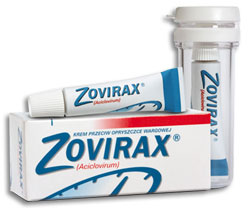 In conventional medicine, a shingles diagnosis is made by a doctor based on the appearance of your skin in the affected area, and with special swabs sent for analysis to a lab. Antiviral treatment is often recommended, generally in the form of pharmaceutical drugs.
Unlike many infections, herpes cannot be cured because drugs that will attack the virus while it lies dormant in the nerve cells may also damage these nerve cells. However, there is treatment available for acute outbreaks that involves the use of anti-viral drugs such as
Acyclovir has been found to reduce the reproduction of the virus in initial outbreaks, thus possibly lessening the number of subsequent outbreaks. To be effective, therapy must be started immediately after the first sores appear. Every sexual partner of the infected person needs to be examined, and if necessary, treated.
Long-term drug therapy (‘suppressive treatment’) may be helpful for individuals who suffer frequent recurrent outbreaks. Suppressive treatment will reduce outbreaks by 85 percent and reduces viral shedding by more than 90 percent.
During an outbreak of genital herpes, a number of measures can be taken to make the person more comfortable. It is important to boost your immune system and relax more.
You can treat herpes simplex conditions naturally, in fact this is one condition we can get fantastic results with many patients. The trick is to take immediate steps when you feel it coming on. As SOON as you feel a tingle or a sensation, you take action! I’d recommend Vitamin C at once, and start taking one level teaspoon twice daily. Immediately start on my Herpes Diet and in addition take a product called Blister Free, and you will need to contact me about this capsule. So, by changing your diet, taking Vitamin C and Blister Free as well as taking it a little easier on yourself (identify stress in your life NOW) you will be able to in most cases avoid the full-blown lesions from developing.
ARGININE FOODS
|
LYSINE FOODS
|
Avoid intimate contact whilst there are sores on the body. Itching, burning or tingling may occur just before the sores develop, so it is important not to kiss somebody (HSV-1) if you can active cold sores and to refrain from sexual intercourse during this time. If you touch the sores, wash your hands with soap and water and do not share towels or clothing.
Herpes Type 1 and 2 is a condition you can live with, I have seen many hundreds of patients with herpes over the years and can honestly tell you that natural medicine is very effective indeed with this complaint. When the patient learns the principles of how to manage this condition naturally, they will never have to rely on antiviral medicines ever again. Herpes zoster can be more difficult to treat however, and well may be the subject of another upcoming article!
Further reading: Stress and Immune System Health
References: