
One of the most common questions on the candida diet is : What grains can I eat? The good news? You don’t have to give up all grains! With a little knowledge, you can enjoy satisfying, candida-friendly options that align with your antifungal goals. Let’s explore the best grains that work for your health and taste buds.
When battling candida overgrowth, the goal is to avoid feeding the yeast with sugars and simple carbohydrates. While many grains are high in starch and quickly convert to sugar, some are low-glycemic and packed with fiber, making them better choices. These grains not only keep your blood sugar stable but also provide essential nutrients like magnesium, B vitamins, and healthy carbs to fuel your body.
Quinoa is a superstar on the candida diet. Technically a seed, it’s gluten-free, high in protein, and low on the glycemic index. Its fiber content supports digestion, which is crucial for maintaining gut health while fighting candida.
How to Use It: Pair quinoa with steamed vegetables and a drizzle of olive oil for a balanced meal.
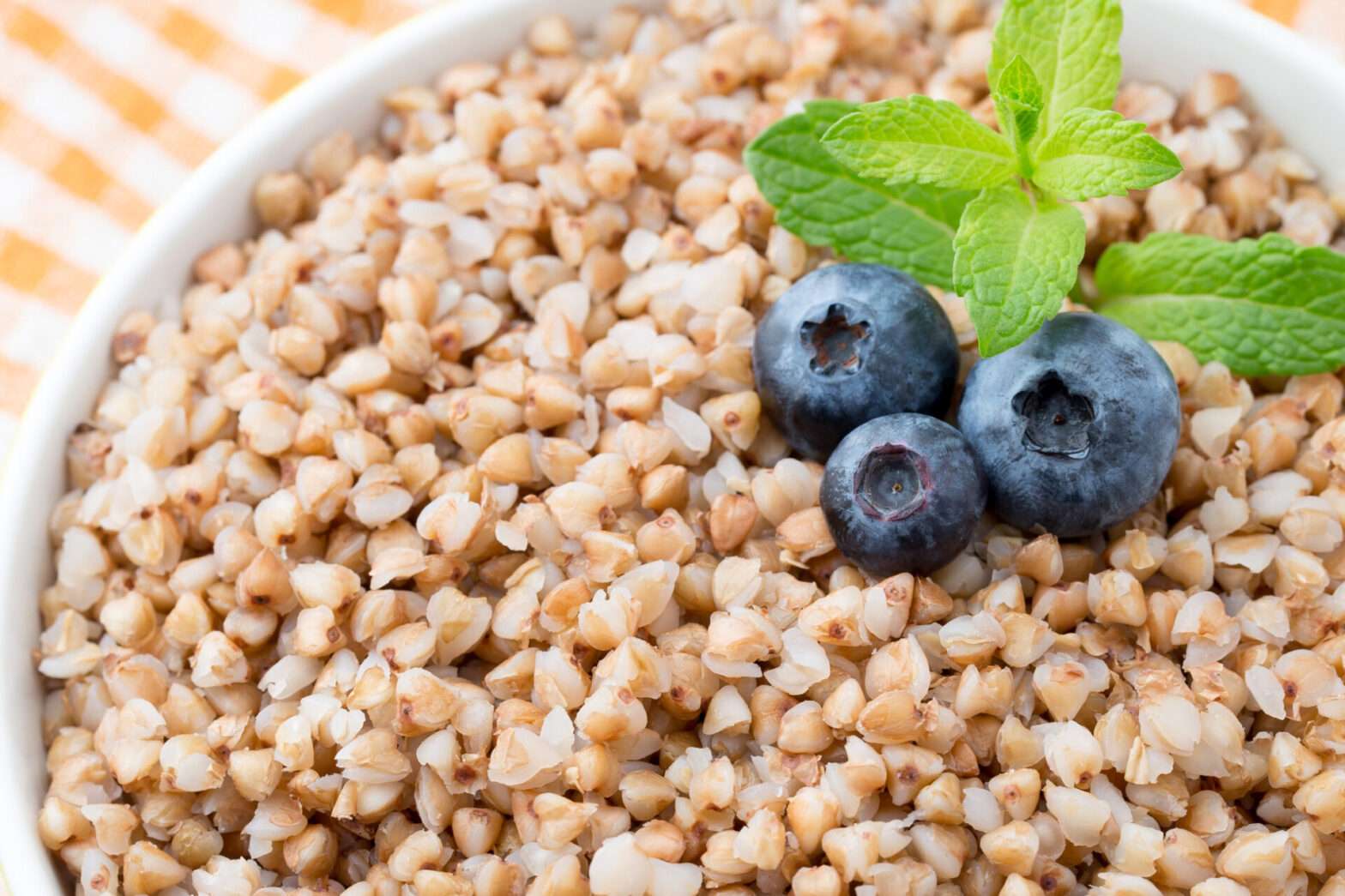
Despite its name, buckwheat is gluten-free and loaded with antioxidants. It has a slightly nutty flavor and is excellent for supporting stable blood sugar levels.
How to Use It: Try buckwheat porridge for breakfast or use buckwheat flour for pancakes.
Millet is another ancient grain that works wonders for a candida diet. It’s mildly alkaline, making it a great option for reducing yeast-friendly acidity in the body.
How to Use It: Cook millet as a side dish, or mix it with herbs and vegetables for a quick pilaf.
Teff is a lesser-known grain but incredibly nutritious, rich in iron, calcium, and fiber. Its low glycemic index makes it a safe choice for managing blood sugar while staying candida-conscious.
How to Use It: Use teff flour to bake flatbreads or make a hearty porridge.
Amaranth is another seed often grouped with grains. It’s high in protein, naturally gluten-free, and has antifungal properties.
How to Use It: Add cooked amaranth to soups or use it as a base for grain bowls.
While some grains are your friends, others can derail your progress. Steer clear of high-starch and refined options like white rice, wheat, and corn, as these can spike blood sugar and feed candida. Wondering about couscous? Check out my article Can I Eat Couscous on the Candida Diet to learn why it’s not the best choice.
•Stick to small portions. Even candida-friendly grains should be eaten in moderation.
•Combine with protein and fats. Pairing grains with healthy fats or proteins slows digestion and prevents blood sugar spikes.
•Cook them simply. Avoid sauces or seasonings with added sugars.
The candida diet doesn’t have to feel restrictive. By choosing the right grains—like quinoa, buckwheat, and millet—you can enjoy satisfying meals while supporting your body’s natural balance. Remember, it’s about progress, not perfection. Start with these grains, and don’t hesitate to experiment with recipes to find your favorites.