
Wondering if couscous fits into the Candida diet? Uncover the facts and find better alternatives here
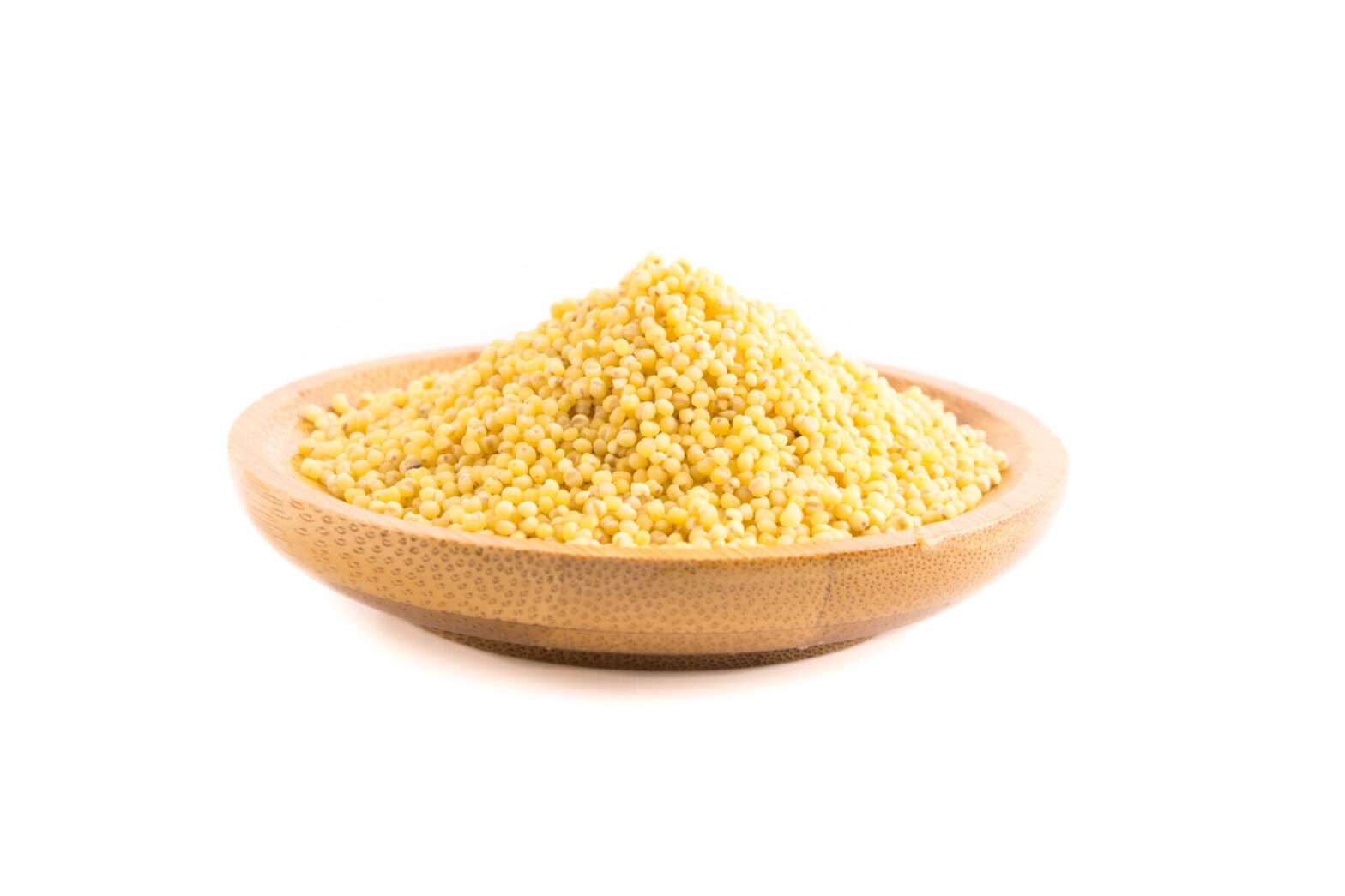
When you’re on the Candida diet, every meal can feel like a minefield of do’s and don’ts. And if couscous has been part of your go-to meal prep, you might be wondering: can I eat couscous on the Candida diet? The short answer is no, but don’t worry—we’ve got plenty of details and alternatives to couscous to help you stay on track and still enjoy your meals.
Couscous is often mistaken for a whole grain, but it’s actually a type of pasta made from semolina wheat. That means it’s a processed food, and processed foods are best avoided on the Candida diet. Here’s why couscous doesn’t align with the diet’s goals:
1.Sugar Spikes: Couscous has a high glycemic index. It digests quickly and converts into sugar in your bloodstream, which Candida thrives on.
2.Nutritional Gaps: Unlike whole grains, couscous doesn’t bring much to the table nutritionally. It’s lower in fiber and nutrients compared to Candida-friendly options like quinoa or buckwheat.
3.Gluten Content: As a wheat product, couscous contains gluten, which can irritate your gut lining—a common issue for those battling Candida.
Here’s the good news: you don’t have to sacrifice variety or taste just because couscous is off the menu. There are plenty of delicious alternatives that fit perfectly within the Candida diet guidelines.
1. Cauliflower Rice
Low-carb, nutrient-packed, and versatile, cauliflower rice is a superstar on the Candida diet. Use it as a base for stir-fries, salads, or even as a bed for roasted vegetables. Pro tip: sauté it with garlic and olive oil for a comforting, couscous-like texture.
2. Quinoa
Although technically a seed, quinoa behaves like a grain and offers excellent nutritional value. It’s packed with protein, fiber, and minerals that support your gut health. Just be mindful of portion sizes, as it’s still a carbohydrate.
3. Buckwheat
Don’t let the name fool you—buckwheat is gluten-free and a fantastic Candida-friendly option. It’s hearty, filling, and works beautifully in pilafs or porridge. Plus, it’s rich in antioxidants and fiber.
4. Zucchini Noodles
For a light, grain-free alternative, spiralized zucchini is an excellent choice. Toss it with a pesto or tahini dressing for a fresh, satisfying meal.
Transitioning to the Candida diet can feel overwhelming at first, but setting up a well-stocked pantry makes it so much easier. Here are some essentials to keep on hand:
•Grains/Seeds: Quinoa, millet, buckwheat, and amaranth.
•Vegetables: Cauliflower, zucchini, spaghetti squash.
•Flours: Coconut flour, almond flour, and flaxseed meal for baking.
Cooking with these ingredients not only keeps you on track but also introduces new flavors and textures that you might end up loving more than couscous.
1. Is couscous gluten-free?
No, couscous is made from wheat and contains gluten. If you have a gluten sensitivity or are following a gluten-free Candida diet, it’s best to avoid it.
2. Are there any circumstances where couscous is allowed?
For strict adherence to the Candida diet, couscous should be avoided entirely. Once your Candida is under control and your gut health improves, you might reintroduce small amounts of whole grains—but couscous likely won’t be your top choice.
3. What about whole-wheat couscous?
Even whole-wheat couscous has a high glycemic load and contains gluten, so it’s still not Candida-friendly.
Feeling restricted on a Candida diet doesn’t have to mean boring meals. Use this as an opportunity to explore new recipes and ingredients. For example:
•Swap couscous for sautéed cauliflower rice in your favorite Mediterranean dishes.
•Use quinoa to make a vibrant, protein-packed tabbouleh.
•Try a buckwheat salad with roasted veggies and tahini dressing for a filling lunch.
By focusing on what you can eat rather than what you can’t, you’ll find it easier to stick to the plan and still enjoy every bite.
Dive deeper into the Candida diet with these helpful articles:
•The Best Grains to Eat on the Candida Diet
•5 Candida-Friendly Dinner Ideas You’ll Love
•Understanding Candida Triggers: Foods to Avoid
So, can you eat couscous on the Candida diet? Unfortunately, it’s a no-go. But with the wide array of alternatives out there, you won’t even miss it! By choosing nutrient-dense, low-glycemic options like cauliflower rice, quinoa, and buckwheat, you’ll keep Candida in check while savoring every meal.
What are your favorite Candida-friendly grain alternatives? Let’s swap ideas in the comments—I’d love to hear what’s cooking in your kitchen