
Antioxidants are a major way to slow the impact of free-radical damage. Free-radical damage plays a role in everything from aging to illness.

To maintain a balanced antioxidant intake, it’s essential to vary the antioxidant-rich foods you consume. Maintaning a high level of antioxidants in your daily diet can be achieved by eating fresh foods and taking a high-potency antioxidant supplement.
Essentially antioxidants are molecules that fight off free radicals that harm your body. You can read further here about what exactly an antioxidant is in our article: What Is An Antioxidant?
The quality of your life is heavily influenced by your diet, especially the health-promoting qualities of the foods you consume. It really makes sense to eat the healthiest foods possible. While it might not always be achievable, aim to consume several servings of fresh fruits and vegetables daily to maximize the antioxidant benefits from your diet.
While supplements can help, the best sources of antioxidants are brightly colored produce with high ORAC ratings.
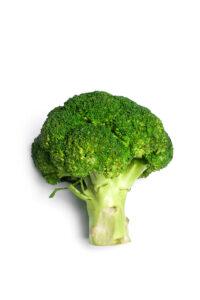
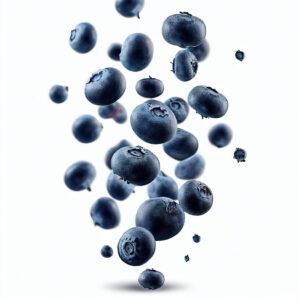 Foods such as blueberries, avocados, sweet potatoes, broccoli, tomatoes, spinach, carrots, squash, shellfish, lean red meat, eggs, citrus fruits, and wheat germ are excellent sources.
Each type of food offers different benefits, such as Vitamin C from broccoli and folic acid from spinach.
If you’re after optimal health you need to eat a variety of these anti-oxidant foods each day.
Broccoli, for instance, is rich in Vitamin C, while spinach is a greater source of folic acid.
In order for you to reap the most anti-aging benefits of antioxidants, I recommend you to eat these fresh fruits and vegetables every day.
Processed and fast foods can speed up aging by increasing free radicals in your body, predisposing you to chronic and degenerative diseases.
Conversely, a diet rich in fresh produce can boost your natural antioxidant levels, leading to healthier cells, more youthful skin, quicker body repairs, and an overall younger feeling. Makes sense right?
– Daily protection from aging: Antioxidants help slow the aging process.
– Improved overall health and appearance: Your skin will look better, and you’ll feel more alert.
– Protection from cognitive decline: Antioxidants support brain function.
– Better skin tone and hair: Fewer blemishes and thicker hair.
– Increased alertness and concentration: Feel more awake and focused.
– Reduced risk of age-related diseases: Protect yourself from chronic conditions.
Aging makes us more vulnerable to illness and injury. However, antioxidants can change the aging process by reducing oxidative stress, which is linked to many age-related diseases such as arthritis, cancer, heart disease, diabetes, cognitive decline, and strokes. Read about oxidative stress here
Free radicals cause significant damage to cells, leading to aging. They are compounds produced naturally in the body and from external sources like pollution, processed foods, and smoking. Antioxidants neutralize free radicals, reducing their damaging effects.
Key antioxidants include Vitamins A, C, and E, beta-carotene, selenium, and alpha-lipoic acid.
Reducing calorie intake has been shown to increase lifespan in animals by reducing free radical production. Eating less can lead to fewer free radicals, slowing cellular damage and promoting a younger, healthier body.
As we age, our cells struggle to fight off free radicals.
Antioxidants slow the cellular aging process, minimizing damage and maintaining healthier, more flexible cells. This reduces DNA damage, which is a significant factor in aging and disease development.
Antioxidant-rich foods, particularly those with high ORAC ratings, combat free radicals. The longest-living people consume over 6000 ORAC units daily, compared to the average intake of 600-1000 units.
Telomeres are repetitive DNA sequences located at the ends of chromosomes. They protect chromosomes from deterioration and prevent them from fusing together or rearranging—abnormalities that can lead to cancer. As telomeres shorten over time, cells eventually undergo programmed destruction. Many cancers arise from “immortal” cells that evade this natural process.
Antioxidants play a crucial role in maintaining telomere length as the body ages. By reducing oxidative stress, which accelerates telomere shortening, antioxidants help preserve these vital DNA sequences. Research indicates that antioxidants can slow down telomere shortening, thereby supporting cellular health and longevity.
Telomeres protect chromosomes from damage and are crucial for cellular health. Antioxidants help maintain telomere length, slowing down cellular aging. Research shows antioxidants can significantly reduce telomere shortening.
DNA (deoxyribonucleic acid) is the genetic material responsible for heredity, found in the cell nucleus. Free radicals continuously attack DNA, contributing significantly to the development of age-related diseases, including cancer.
Studies have shown that antioxidant supplementation can significantly reduce DNA damage. Research using the comet assay revealed considerable reductions in DNA damage after just 6 weeks of antioxidant supplementation, with highly significant improvements observed after 12 weeks.
You can read about DNA damage repair by antioxidant enzymes here
Studies on laboratory mice have shown that those fed with antioxidants live longer, healthier lives. These findings highlight the importance of antioxidants in promoting longevity and overall well-being.
Incorporating a variety of antioxidant-rich foods and supplements into your diet can significantly improve your health, slow the aging process, and enhance your quality of life. Prioritize fresh fruits, vegetables, and other nutrient-dense foods to enjoy the numerous benefits of antioxidants.
What Is Oxidative Stress?
What is an Antioxidant
Antioxidant ORAC Rating
Arthritis, Antioxidants, and Inflammation
By following these guidelines and prioritizing antioxidant-rich foods, you can enjoy a healthier, more vibrant life well into your later years.