
One of my favourite of all fresh vegetables are green beans. We grow plenty in summer, and they taste SO nice in a salad just after picking.
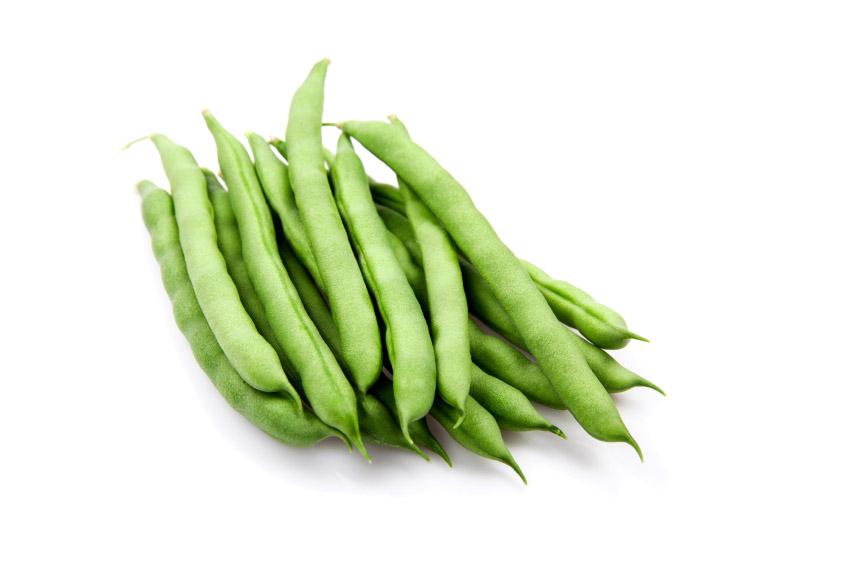
Green Bean Salad is one of our favorite dishes, especially during the warmer months when fresh beans are in abundance. For the best taste and nutritional value, it’s ideal to prepare this salad shortly after picking the beans, as they are at their sweetest then. Although green beans are often referred to as “string” beans, many modern varieties no longer have the fibrous string running down their length. These beans are also known as snap beans. Haricots verts, the French variety, are particularly thin and tender.
Green beans belong to the same family as shell beans, such as pinto beans, black beans, and kidney beans. However, unlike their cousins, the entire bean, including the pod and seeds, is edible. Green beans typically average around four inches in length and are usually a deep emerald green, tapering to a slight point at both ends. They contain small seeds within their slender pods, making them a nutritious and versatile ingredient for salads.
Green beans contain appreciable amounts of vitamin A (beta-carotene in fact, the water soluble form of vitamin A) and along with vitamin C are an important part of a healthy immune system. Beta-carotene and vitamin A are fat-soluble antioxidants, while vitamin C functions as an antioxidant in the water-soluble areas of the body. So, between their beta-carotene and vitamin C content, green beans have all areas covered against damage from oxygen free radicals.
In addition to its antioxidant activity, vitamin C is critical for good immune function. Vitamin C stimulates white cells to fight infection, directly kills many bacteria and viruses, and regenerates vitamin E after it has been inactivated by disarming free radicals.
The vitamin C and beta-carotene in green beans help to protect the colon cells from the damaging effects of free radicals. Green beans’ folate helps to prevent DNA damage and mutations in colon cells, even when they are exposed to cancer-causing chemicals. Studies show that people who eat foods high in vitamin C, beta-carotene, and/or folate are at a much lower risk of getting colon cancer than those who don’t.
The fiber in green beans can help prevent colon cancer as well, as it has the ability to bind to cancer-causing toxins, removing them from the body before they can harm colon cells.
For atherosclerosis (plaque buildup in the arteries) and diabetic heart disease, few foods compare to green beans in their number of helpful nutrients. Green beans are a very good source of vitamin A, notably through their concentration of beta-carotene, and an excellent source of vitamin C. Green Bean Salad is just the answer.
As noted above, green beans are a very good source of iron. Iron is as essential part of hemoglobin, a molecule essential to energy production since it is responsible for transporting and releasing oxygen throughout the body.
The vitamin K provided by green beans is an amazing 25% of the daily value in one cup! Vitamin K iis important for maintaining strong bones. Vitamin K1 helps prevent excessive activation of osteoclasts, and these are the cells responsible for breaking down bone.