
Creamy, succulent avocados not only contain the best kind of fat, a monounsaturated fat called oleic acid, but also help block the absorption of bad fats (cholesterol). They are high in lutein, which aids eyesight, and in potassium and folate, which may reduce the risk of stroke and cardiovascular disease.
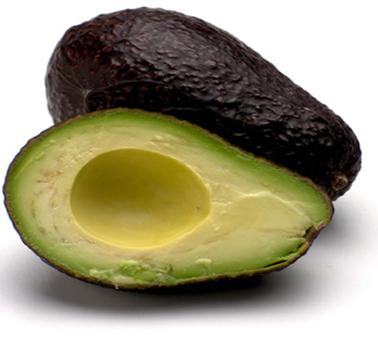
Avocado nutrition is remarkable; these creamy, succulent fruits not only contain the best kind of fat—a monounsaturated fat called oleic acid—but also help block the absorption of bad fats (cholesterol). They are high in lutein, which aids eyesight, and in potassium and folate, which may reduce the risk of stroke and cardiovascular disease. Avocados are so low in pesticides and toxic compounds that they rank alongside blueberries as a near “perfect food.” I eat one avocado every day and recommend that those seeking great health do likewise. According to the Guinness Book of World Records, avocados have been officially dubbed “The World’s Healthiest Fruit.”
The avocado is native to Mexico and Central America. Its name even comes from the ancient Aztec word for fruit: ahuacatl. By the time Christopher Columbus discovered America in 1492, the avocado had already spread to Northern America and as far south as Peru. It was later introduced to the West Indies in the 1700s.
Avocados contain vitamins and minerals in absolute abundance. They provide all nine essential amino acids required by your body for the manufacture of new tissue, making them a complete protein—a unique characteristic for a non-animal food. This makes avocados perfect for vegetarians or those looking to reduce animal meat consumption while ensuring adequate protein intake.
– Potassium: Contains an average amount equivalent to two to three bananas, beneficial for stress management, heart health, and blood pressure regulation.
– Vitamin E: Supports heart health and conditions like eczema and asthma.
– Vitamin K: Aids in managing aging, bruising, inflammation, and osteoporosis.
– Vitamin B5: Great for stress, allergies, constipation, and cholesterol management.
– Beta-Carotene: Offers protection against cancer, cataracts, and chronic diseases.
– Iron: Helps prevent anemia, particularly in women who may be iron deficient.
– Folic Acid: Important for preventing birth defects and managing fatigue and menstrual issues.
Avocados are rich in monounsaturated fats, primarily oleic and linoleic acids. These are beneficial even for those with high cholesterol, as scientific studies have shown they can lower bad (LDL) cholesterol while maintaining good (HDL) cholesterol levels. Avocados are an ideal food for heart patients, as they provide significant amounts of Vitamin E. In New Zealand, statistics indicate that heart attacks are largely preventable, and incorporating avocados into the diet can play a key role in heart health.
– Avocados are recognized as the most nutritious food on earth.
– They are an ideal first food for babies and one of the best foods for breastfeeding mothers due to their high plant-fat content.
– The oil in avocados comprises up to 30% of the fruit’s weight and benefits both hair and skin.
One prevalent myth is that avocados contribute to weight gain. However, avocados are not fattening for several reasons:
– They contain twice the fiber of a banana, promoting regular bowel function, an important factor in weight maintenance.
– Avocados can help regulate appetite due to their high plant fat content, which reduces cravings for sweet foods.
– Nutrients like manganese and zinc block fat storage, while biotin and folic acid aid in fat conversion into energy.
Moderation is key; one avocado per day is manageable for those aiming to maintain or lose weight.
Avocados are not only nutritious but also have a great creamy texture and subtle flavor. They can be enjoyed as a snack on their own or incorporated into various meals. Being high in protein, vitamins, and minerals, they truly are a complete meal in their own handy wrapper.
Avocados come in various skin textures, colors, and shapes depending on the variety. Here are five handy tips to enjoy avocados even more:
1. Selecting Ripe Avocados: Look for fruit that yields to gentle pressure at the stem end.
2. Ripening Avocados: Leave them at room temperature with ripe bananas or apples, or place them in a brown paper bag with two ripe bananas.
3. Storing Ripe Avocados: Keep ripe fruit in the refrigerator’s vegetable crisper for up to a week. Half avocados can be stored with the seed left in and sprinkled with lemon juice to prevent discoloration.
4. Preparing Avocados: Cut around the fruit, twist the halves apart, remove the seed, and peel or spoon out the flesh.
5. Removing the Seed: Place the cut avocado on a chopping board, strike the seed with a knife, rotate gently, and lift it out.
Lastly, if you’re concerned about chemicals in hand moisturizers, wipe your hands on the avocado seed after use, as it is covered in avocado oil.
References
Page created 16 October 2010