
Discover the incredible health benefits of turmeric, from boosting brain function to easing joint pain, in our comprehensive guide. Uncover how this golden spice can transform your wellness routine today!
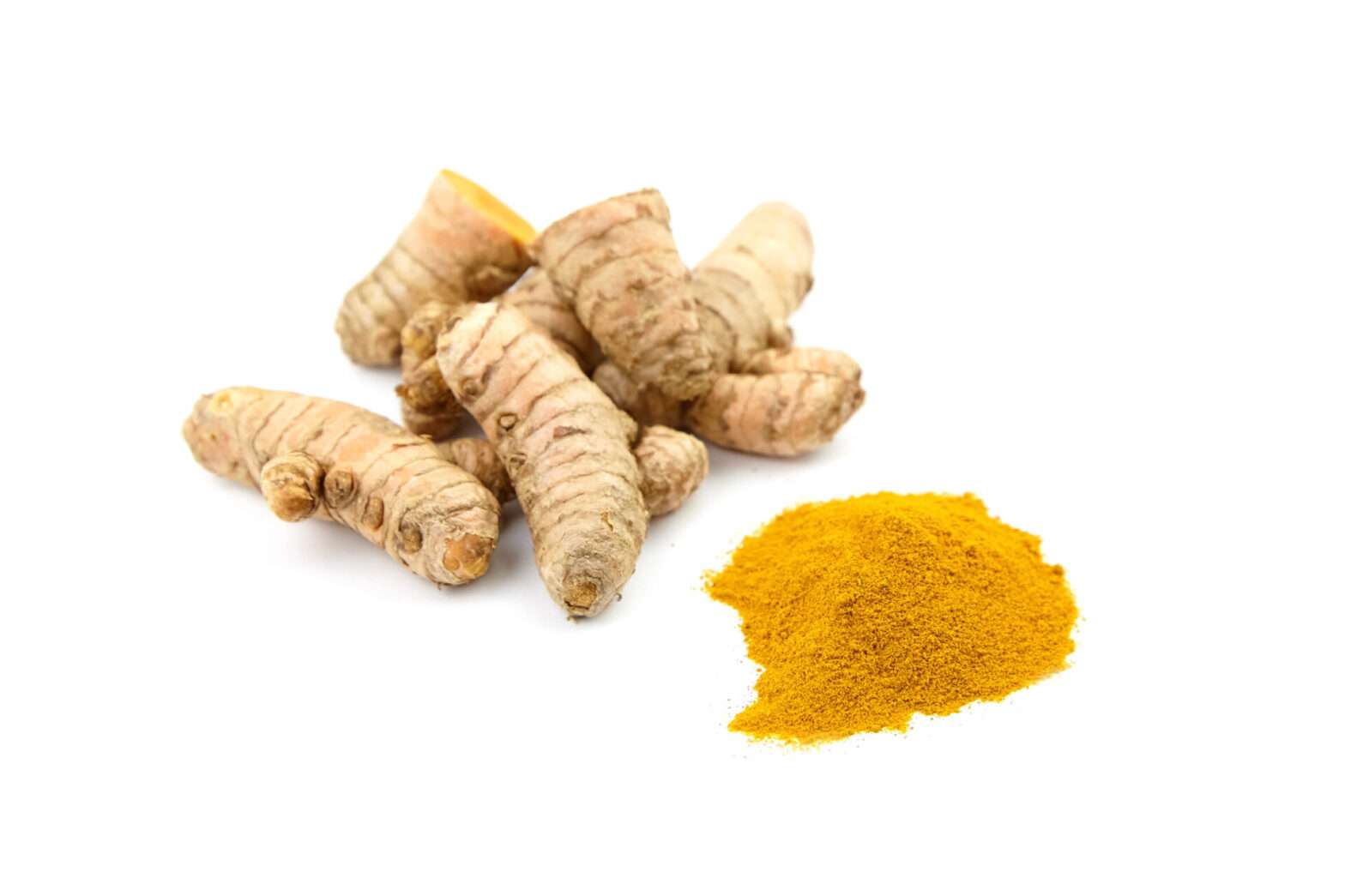
Turmeric, often referred to as the “golden spice,” is far more than a vibrant yellow powder in your spice rack. For centuries, this ancient herb has been a cornerstone of traditional Indian and Chinese medicine, celebrated for its powerful health benefits. But what exactly makes turmeric so special? Let’s explore how turmeric can support your health in more ways than you might imagine, from joint health and digestion to boosting your brain and immune system.
At the heart of turmeric’s health benefits lies curcumin, the active compound responsible for its bright color and potent properties. Curcumin is a natural anti-inflammatory and antioxidant, making it a valuable ally in the fight against chronic diseases and everyday ailments.
Inflammation is at the root of many health problems, from joint pain to heart disease. While inflammation is a natural response to injury or infection, chronic inflammation can wreak havoc on your body. That’s where turmeric comes in. Curcumin helps reduce inflammation, potentially easing conditions like arthritis, irritable bowel syndrome (IBS), and even skin issues like eczema.
If you struggle with stiff or achy joints, turmeric might be your new best friend. One of the most popular uses of turmeric is for joint health, thanks to its anti-inflammatory effects. People with arthritis or other joint conditions often find relief with regular turmeric use. The curcumin in turmeric helps reduce the inflammation that causes pain and stiffness, making it easier to move and stay active.
But turmeric doesn’t just mask the pain—it addresses the underlying inflammation, which can lead to long-term improvements in joint health. So, whether you’re dealing with chronic joint issues or just looking to keep your joints in good shape as you age, turmeric is worth considering.
Turmeric isn’t just good for your joints; it’s also fantastic for your digestion. Many people use turmeric to soothe digestive issues, from bloating and gas to more serious conditions like IBS. Curcumin helps stimulate bile production, which is essential for breaking down fats and ensuring smooth digestion.
If you’ve ever experienced the discomfort of indigestion or a bloated belly after a meal, adding a bit of turmeric to your diet might help. It’s gentle on the stomach and can support a healthy digestive system, making it easier for your body to absorb nutrients and stay balanced.
Turmeric isn’t just good for your body; it also has impressive benefits for your brain. Emerging research suggests that curcumin, the active compound in turmeric, may help enhance memory and reduce the risk of cognitive decline as we age. This is particularly exciting news for those concerned about conditions like dementia and Alzheimer’s disease.
Studies have shown that curcumin can cross the blood-brain barrier, which is crucial for delivering its benefits directly to brain cells. Once there, curcumin’s anti-inflammatory and antioxidant properties can help reduce inflammation and oxidative stress—two major factors that contribute to cognitive decline. Some research indicates that curcumin might even help clear amyloid plaques, which are commonly found in the brains of Alzheimer’s patients.
In one study, participants who took curcumin supplements saw significant improvements in their memory and attention levels compared to those who took a placebo. This suggests that adding turmeric to your daily routine could help keep your mind sharp and your memory strong.
When it comes to dementia, prevention is key, and turmeric may offer some protection. Curcumin’s ability to reduce inflammation and oxidative damage in the brain is believed to help lower the risk of developing dementia. Regular consumption of turmeric has been linked to better cognitive function in older adults, and some researchers believe it could slow the progression of dementia in its early stages.
While more research is needed to fully understand turmeric’s role in brain health, the existing evidence is promising. Including turmeric in your diet or as a supplement could be a simple yet effective way to support long-term brain health and reduce the risk of cognitive decline.
Further reading: Dementia Prevention: Strategies to Reduce the Risk
And this paper on the effects of Curcumin on Alzheimers Disease makes for interesting reading also.
In a world where staying healthy is more important than ever, turmeric can give your immune system the boost it needs. The antioxidant properties of curcumin help protect your cells from damage caused by free radicals—unstable molecules that can weaken your immune system and lead to illness.
Turmeric’s immune-boosting effects don’t stop there. Curcumin also helps modulate the immune system, ensuring it’s neither too active nor too sluggish. This balancing act can be particularly helpful for those with autoimmune conditions, where the immune system mistakenly attacks the body’s own tissues.
Your skin is your body’s largest organ, and it deserves just as much care as the rest of you. Turmeric has long been used in skincare for its ability to promote healthy, glowing skin. Its anti-inflammatory and antioxidant properties make it effective in calming irritated skin, reducing redness, and fighting off the signs of aging.
If you struggle with acne, eczema, or psoriasis, turmeric might offer some relief. It helps reduce inflammation in the skin and can even out your complexion. Plus, its natural antibacterial properties help keep your skin clear and healthy.
Adding turmeric to your routine is easier than you might think. It’s available in many forms, from ground turmeric powder to capsules, teas, and even topical creams. You can sprinkle turmeric into your meals, add it to smoothies, or enjoy a warm cup of turmeric tea for a soothing treat.
For those looking for a more potent dose, curcumin supplements are a convenient option. Just make sure to choose one that includes black pepper or piperine, which enhances curcumin absorption in the body. Without it, curcumin can pass through your system without fully benefiting you.
While turmeric is generally safe for most people, it’s always wise to start with a small amount and see how your body reacts. Some people may experience mild side effects, such as an upset stomach or allergic reactions. If you’re pregnant, breastfeeding, or taking medication—especially blood thinners—it’s a good idea to consult your healthcare provider before adding turmeric to your regimen.
Turmeric is a powerful herb with a multitude of health benefits. Whether you’re looking to reduce inflammation, support your joints, improve digestion, boost your immune system, or enhance your brain and skin health, turmeric can play a key role in your wellness journey. By incorporating turmeric into your daily routine, you’re not just adding flavor to your meals—you’re investing in your long-term health and vitality. Explore the potential of this golden spice and experience the difference it can make in your life.