


In recent years, topical steroid creams have become a common treatment for various skin conditions like eczema, psoriasis, and dermatitis. These creams are often prescribed by general practitioners to manage inflammation and discomfort. However, it’s essential to be aware of the potential side effects of steroid creams, especially with long-term use.
While steroid creams can provide immediate relief by reducing symptoms, they may sometimes mask the underlying issue rather than addressing the root cause. If not used carefully, their effectiveness can diminish over time, leading to stronger doses or more aggressive treatments. This is particularly important for chronic conditions like psoriasis, where management often requires consistent therapy.
One significant concern with long-term steroid cream use is a phenomenon known as tachyphylaxis, where the body becomes less responsive to the treatment over time. This requires increasingly stronger doses, and stopping the cream suddenly can trigger a rebound effect, where the symptoms not only return but sometimes worsen significantly. This rebound reaction can spread beyond the original treatment area, leading to more severe skin irritation.
It’s important to approach steroid treatment with caution, especially for children, who are more susceptible to these risks. Dermatologists often recommend “pulse therapy,” which involves taking breaks from the treatment or alternating with non-steroidal therapies to reduce potential side effects like skin thinning, stretch marks, or easy bruising. In severe cases, systemic absorption of steroids can lead to hormonal imbalances, osteoporosis, and even psychological effects. Additionally, if steroid creams accidentally get into the eyes, they may increase the risk of cataracts or glaucoma.
It’s always a good idea to discuss the side effects of steroid creams with your healthcare provider before starting any treatment. While over-the-counter steroid creams are generally milder than prescription-strength options, they should still be used with care, especially for extended periods. Always ask your doctor about any potential risks and alternative treatments that may be available.
If you’re looking to avoid long-term reliance on steroid creams, there are many natural remedies for skin conditions that can be just as effective for some people. Options like aloe vera, calendula, and coconut oil can help soothe inflammation and support skin healing. While these natural alternatives might not work for everyone, they can be worth exploring as part of a holistic approach to skin health.
 There are many stories of individuals who experienced significant side effects due to overuse of topical steroids. For instance, one woman named Louise King shared her experience of developing what she described as “lizard skin” after using steroid creams for eczema.
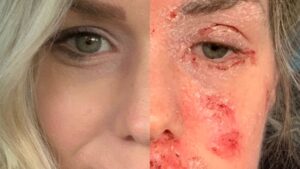 Another case involved Samantha Saunder, who suffered severe skin damage after years of steroid cream use, leaving her bed-bound for months.
These stories highlight the importance of staying informed and working with healthcare professionals to ensure safe and effective treatment plans. Steroids can be helpful, but they come with risks that shouldn’t be ignored.
When it comes to managing chronic skin conditions, it’s essential to understand the potential risks and benefits of treatments like topical steroids.
Always consult with your healthcare practitioner to weigh your options, and consider integrating natural alternatives where appropriate. The decision to use steroids is ultimately yours, but it should be made with a full understanding of the potential long-term side effects.