
Trauma affects all of us at some stage in life. The stress that follows from a traumatic event usually stays as ‘tension’ in the body that is not appreciable at a conscious level. Post Traumatic Stress Disorder (PTSD) is a condition that describes typical symptoms of nightmares, flashbacks, irritability and avoidance following a traumatic event. Even if a person does not have symptoms of PTSD, a traumatic event can affect a person, sometimes permanently.
Trauma is something we all face at some point in life, and it leaves a mark on both the body and mind. Whether it’s a sudden, life-changing event or ongoing stress, the emotional impact can weigh us down—sometimes long after the event has passed. Even if someone isn’t officially diagnosed with Post Traumatic Stress Disorder (PTSD), the effects of trauma can linger in our body as unresolved tension. This stress may surface in unexpected ways, affecting your physical and emotional well-being.
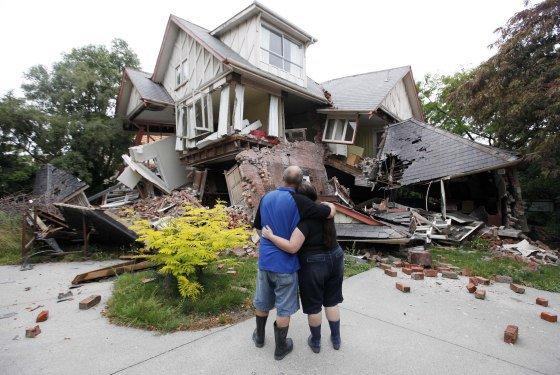
PTSD affects millions of people globally, including many New Zealanders who suffered in the wake of the 2011 Christchurch earthquakes. It’s crucial to understand that healing from trauma is possible, and there are natural methods to help release the tension it leaves behind.
Today, I want to share an insightful guide created by Dr. Pradeep Chadha, an Irish psychiatrist who’s had remarkable success in helping people manage and heal from traumatic stress—without relying on medications. His approach is simple and can be done from the comfort of your own home. Here are Dr. Chadha’s 5 steps to start easing the emotional load of trauma:
 Follow these steps to begin the process of healing from traumatic stress. This method helps to desensitize the emotional charge that trauma can leave behind.
Before you begin, find a comfortable and quiet space where you can focus.
Sit comfortably on a chair, close your eyes, and take ten deep breaths. As you breathe out, do so as slowly as possible, relaxing your body with each breath.
With your eyes closed, recall a specific event that you consider traumatic. Every event has a start and end point—identify those moments in your memory.
Run through the event in your mind as quickly as you can, from start to finish. Do this at least five times. Afterward, take five deep breaths. Keep your eyes closed and check in with your feelings. You may feel agitated or angry at first—this is normal.
Continue running through the event in sets of five repetitions, stopping after each set to evaluate your emotions. You’ll likely go through stages of agitation, anger, sadness, and eventually, physical tiredness. The more you repeat this process, the more your emotional reaction will begin to fade.
As you progress, you’ll reach a point of exhaustion or notice that the memory of the event starts to feel less intense. You should also begin to feel calmer and more at peace than when you started.
This method is a powerful tool for healing trauma, but it’s important to go at your own pace:
– If you feel exhausted or overwhelmed at any point, stop the exercise and allow yourself at least three days before attempting it again.
– Focus on one event at a time, starting with the one that bothers you the most.
– This exercise is a helpful way to take the edge off your emotional pain, but it’s not a substitute for professional treatment. If you’re dealing with severe trauma, please consult a professional for additional support.
– Anger is a common emotion that may surface during this process. If you feel unable to handle this anger, stop the exercise and seek guidance from a therapist or counselor.
Dr. Chadha’s approach offers a refreshing alternative to medication-heavy treatments, emphasizing the power of emotional release. His techniques align with my own philosophy of natural health—where mental, emotional, and physical well-being all play interconnected roles.
For more information on Dr. Pradeep Chadha and his work, you can visit his website at www.drpkchadha.com
Healing from trauma is a journey, and this exercise is just one of many tools you can use to help yourself feel better. If you’re looking for more ways to manage stress naturally, check out my article on stress and the immune system. Have you tried these techniques, or do you have other ways that have helped you heal?
Share your experiences in the comments below—I’d love to hear from you.