Parkinson's disease is a progressive neurological condition affecting movements such as walking, talking and writing. Parkinson's disease is a progressive disorder of the central nervous system which causes tremors and rigidity.
Recognize the face? Yes, that’s Michael J. Fox, who has been open about his battle with Parkinson’s disease. Contrary to the misconception that Parkinson’s only affects older adults, this neurological condition can strike people much younger.
Parkinson’s disease is a progressive disorder that impacts the central nervous system, affecting movement, speech, and handwriting. It causes symptoms like tremors, rigidity, and slow movement. About 1 in 500 people are affected by Parkinson’s, with all genders equally at risk. While roughly 1% of people over 60 have Parkinson’s, around 10% of those with the disease are under 40.
I remember my mother’s older aunt, whom we affectionately called “Aunt Anne with the Shaking Hands.” She had Parkinson’s when I was growing up. Despite her condition, she always wore sweaters she knitted herself and sent me birthday cards each year, which were often hard to read.
Parkinson’s Disease Symptoms:
Tremor
About 70 percent of people with Parkinson’s have a tremor. Tremors usually begin in one hand or arm and are more likely to occur when the part of the body affected is relaxed. They usually decrease or disappear when the affected part is being used and often become more noticeable when a person is anxious or excited.
Stiffness
Muscular rigidity or stiffness is a common early sign in people with Parkinson’s. People may experience, because of rigidity. Some people find their posture becomes stooped, or that their face becomes stiff, making facial expressions more difficult. Stiffness can affect everyday tasks and can sometimes be quite painful. It can lead to deep aching in the arms and legs.
Slowness of Movement
People with Parkinson’s often find that initiating movement becomes more difficult or that it takes them longer to perform movements, or it affects rapid limb movements. Lack of co-ordination when making movements can also be a problem. Bradykinesia (slow movements) can cause a face which is flat/free from expression, hard to roll over in bed, loss of sense of balance.
Other symptoms may include constipation, tired and depressed, as well as experiencing unusual skin sensations such as tingling or a buzzing sensation.
Disease Process Underlying Parkinson’s
The process of Parkinsonism development is typically slow-paced but progressive, with clinical symptoms tending to manifest relatively late as the disease progresses. The hallmark of Parkinson’s has been the degeneration of the dopamine-producing nerve cells, found in the relatively small part of nervous tissue in the basal ganglia, called the substantia nigra (SN).
Parkinson’s occurs when the myelin sheaths (the cells which make up the nerve cells) of neurons are damaged by oxidation. Oxidation is a process caused by the excessive generation of free radicals. Neurotoxins has been implicated in the development and progression of the disease process. Usually, by the time Parkinson’s has been diagnosed, 75% of the dopaminergic (i.e. dopamine-using) neurons in the SN of Parkinson’s patients have already been Myelin sheaths are 80% primarily composed of phospholipids and glycolipids, which are compound lipids.
Pharmaceutical Treatment: Levodopa
Parkinson’s disease is primarily managed through dopamine replacement therapy, which involves pharmaceutical drugs designed to replace dopamine in the brain or mimic its actions at dopamine receptors. The most commonly prescribed combination is levodopa with carbidopa, known as Sinemet.
Levodopa is often effective for managing motor symptoms in the early stages of Parkinson’s. However, within 2 to 5 years, many patients begin to experience side effects. Initially, the majority of patients see significant benefits, but these benefits typically diminish over time, leading to erratic responses. Side effects may include nausea, uncontrollable movements, mental confusion, episodes of “freezing” (inability to move), low blood pressure, sleep disturbances, and hallucinations.
As these side effects become more severe, they can significantly impact the quality of life, often leaving surgical treatment as the only viable option. Additionally, other challenges arise, such as sleep problems, which affect about 70% of Parkinson’s patients, and daytime hallucinations, which occur in around 30%. These complications can make managing Parkinson’s particularly challenging over the long term.
High Homocysteine and Parkinson’s
Are you a Parkinson patient reading this article, and currently taking L-dopa perhaps? Do at least this: the next time you visit your doctor, insist that they do a fasting homocysteine test. Parkinson’s patients treated with levodopa sometimes develop elevated plasma homocysteine. Hyperhomocysteinemia is a major risk factor for vascular disease. Dangerously elevated plasma homocysteine may provide a key to the increased mortality attributed to vascular disease in patients with Parkinson’s.
Persons seeking optimal heart-health should strive for their plasma ( blood) levels to reach: under 6 – 7 micro-moles per litre.
Each 3 mm increase in homocysteine levels (above 6 mm per litre) is associated with a 35% increase in heart attack or stroke risk.
High homocysteine is a particularly lethal combination if found in a person with high blood pressure and an elevated fasting cholesterol test.
These findings also suggests patients taking levodopa might benefit significantly from: a Vitamin B-12 Complex formula, containing Vitamin B6, B12 and Folate, all of which have shown to reduce elevated homocysteine.
Take 3 to 4 capsules twice per day if your reading comes back too low
Parkinson’s Disease Treatment
In addition to following conventional medical treatments and preparing for potential outcomes, there are various treatment options available.
For those interested in natural approaches to managing Parkinson’s disease, a holistic strategy often yields the best results.
This involves addressing the condition from multiple angles: improving your diet, correcting any structural issues, addressing nutritional deficiencies, considering detoxification, and modifying lifestyle habits that may contribute to the problem.
Effective management of Parkinson’s disease requires:
Dietary Revision
Dietary revision, especially to lower calorie intake, is crucial in managing Parkinson’s disease. A 6-month low-protein diet has been trialed, focusing on reducing protein intake during the morning and afternoon, while reserving it for the evening meal. This approach has been used to enhance the effectiveness of L-dopa therapy, and some individuals may find they need to reduce their L-dopa dosage after adopting this diet.
A significant study published in 1988, titled “Case-control study of early life dietary factors in Parkinson’s disease,” found that simple dietary sources of vitamin E significantly reduced the risk of developing Parkinson’s. Those who consumed diets rich in nuts had a 61% lower risk of Parkinson’s compared to those who avoided nuts. Similarly, people who used seed-based salad dressings saw their risk drop to 30% of the average, while the consumption of plums was associated with a remarkable reduction in risk to just 24% of the average population.
Moreover, a recent study published in the Annals of Neurology by Harvard researchers demonstrated an increased risk of Parkinson’s disease in men who consumed higher levels of dairy products. In fact, the risk nearly doubled in high dairy consumers compared to those with lower intake. This is crucial information; avoiding dairy products may significantly reduce your risk of developing this profoundly debilitating disease.
Integrating these dietary changes can be a powerful step in managing and potentially reducing the risk of Parkinson’s disease.
Pesticides may play a role in the Development of Parkinson’s
A study found that rats exposed to the organic pesticide Rotenone developed Parkinson-like symptoms and brain changes similar to those seen in humans with Parkinson’s disease. Dr. Greenamyre first reported this study at the annual meeting of the Society for Neuroscience, America’s largest gathering of brain researchers.
Rotenone is widely used on home-grown fruits and vegetables, in flea powders for pets, and in lakes and rivers to kill unwanted fish. While it’s too early to say that Rotenone directly causes or contributes to Parkinson’s disease in humans, the scientists stated that this is “the best evidence thus far that chemicals in the environment may be factors in the cause of Parkinson’s disease.”
Given that the modern Kiwi diet often includes vegetables, fruits, and grains containing pesticide residues, one might wonder if consuming only organic produce could reduce the risk of developing Parkinson’s.
Essential Fatty Acid Rebalance
Eat less of the omega 6 oils, for example corn and soy, or deep fried oils (trans-fatty acids) such as fish and chips.
Consume more omega-3, they are the anti-inflammatory prostaglandins are found in flax seed oil, walnut oil, and marine plankton and fatty fish.
Octacosanol (a component of wheat-germ oil), 1-2 mg/day, may reduce Parkinson’s symptoms, without causing side effects. A larger dose of octacosanol (5 mg, 3 times per day) was effective in 3 of 10 patients in a double-blind trial, but caused side effects or exacerbated L-dopa/carbidopa-related dyskinesia in some patients.
Try a dessertspoon of wheat germ Vitamin E oil daily.
Glutathione Intra-venously
This naturally occurring amino acid, called glutathione, is a vital brain chemical, and is also profoundly deficient in Parkinson’s disease. And yet, this deficiency seems to receive very little attention. Dr. David Perlmutter was the first doctor to administer intravenous glutathione to Parkinson’s patients in 1998.
The effectiveness of this brain antioxidant in Parkinson’s disease is nothing short of miraculous. Following even a single dosage of intravenous glutathione, many of the symptoms of Parkinson’s disease are rapidly and visibly improved, often in as little as 15 minutes. Injections are typically repeated from 2 times a week to as often as daily.
Glutathione is a critically important brain chemical, and has been found to clearly be one of the most important brain antioxidants. When I practiced with medical doctors at an integrative medicine clinic some years ago, I noticed significant improvements in our Parkinson’s patients who received Dr. Perlmutter’s IV glutathione treatment. Patients experienced reduced rigidity, increased mobility, improved speech, less depression, and decreased tremors.
Glutathione, due to its ability to act as a premium antioxidant, has the added benefit of protecting the brain from free radical damage, thus slowing the progression of the underlying illness. There are essentially no reported side effects of giving intravenous glutathione.
Vitamin C
(Vitamin C 3,000 mg/day) plus Vitamin E (Vitamin E – 3,200 IU/day) may slow the progression of Parkinson’s disease. Several uncontrolled trials show promising results with Parkinson’s improving with the daily addition of a good quality Antioxidant formulation.
The Four Key Brain – “Smart Nutrients”
With a formal understanding of the biochemistry of energy production, nutritional researchers have explored a variety of interventions designed to “jump start” the lethargic brain cells, often with dramatic results. And best of all, most of the research has involved non-pharmacological products.
The following nutrients can also be found together in a good brand name
The most promising of these cellular activators are:
CoQ10
Phosphatidylserine (PS)
Acetyl-L-carnitine
NADH.
According to Dr. M. Heal at the Massachusetts General Hospital, Parkinson’s patients demonstrate a profound deficiency of Coenzyme Q10 which may partially explain why their brains produce an inadequate supply of dopamine. Orally administered CoQ10 is readily absorbed, well tolerated, and measurably increases cellular energy production.
Are you taking a prescribed drug which lowers your cholesterol? Then you are probably deficient in this important vitamin!Phosphatidylserine (PS) is one of the key components of nerve cell membranes -the site where brain cells both receive and transmit chemical messages. PS is a phospholipid (A fat) that plays a key role in electro-chemical transmission between the neurons.
Dosage is about 50mg per day.
Good sources of PS are organic or free range egg yolks and soy lecithin. I would recommend a dessertspoon twice daily of a high quality lecithin granules.
Acetyl-L-carnitine enhances energy production in damaged nerve cells. But in addition, it is one of the most important and specific antioxidants for Parkinson’s disease, according to Dr. Perlmutter, Neurologist renowned for his work with nutritional treatment of complex neurological disorders. . Several studies have re- affirmed the potency of acetyl-L-carnitine as an important antioxidant specifically useful in Parkinson’s disease. Dosage is about 400mg per day.
NADH is an enzyme which has a pivotal role in energy production in all living cells, and particularly in brain cells. Pioneering work published by Dr. Birkmayer in 1993 revealed just how potent NADH can be as part of a comprehensive program for the Parkinson’s patient. Of 885 patients who received NADH in his study, an astounding 80% showed “moderate to excellent improvements in their disability.
The dosage for NADH is 5mg given twice daily.
Liver Detoxification
Most Parkinson’s patients have flaws in their ability to detoxify various chemicals. Parkinson’s disease is more common in individuals with a history of exposure to agricultural pesticides or other toxic chemicals. Not everyone exposed to these toxins develops Parkinson’s, but those with an inherited flaw in their detoxification pathways are at much greater risk. These individuals are more vulnerable to the brain-damaging effects of a wide variety of toxins.
There are many ways to detoxify the liver. Start by reducing or eliminating alcohol, junk foods, and caffeine. Incorporate more fish and chicken into your diet. Consider taking liver-supporting herbs like St. Mary’s thistle, or lesser-known Ayurvedic herbs such as picrorhiza or andrographis. It’s also a good idea to consult with your naturopath about doing a short two- to three-week cleanse.
With proper medical treatment, Parkinson’s may have little impact on life expectancy and can sometimes lead to short-term improvements. However, it often fails to enhance overall quality of life in the long run. By combining high-quality holistic nutritional and medical support with a positive outlook, Parkinson’s patients can lead productive lives for many years after diagnosis.
References
1. Shaw, K. M., et al. The impact of treatment with levodopa on Parkinson’s disease. Quart J Med. 195:283-293, 1980.
2. Diamond, S. G., et al. Multi-center study of Parkinson mortality with early versus later L-dopa treatment. Ann Neurol. 22(1):8-12, 1987.
3. Werbach, M. Nutritional Influences on Illness. New Canaan, Conn: Keats Publishing; 1988:346–349.
4. Perry TL, Godin DV, Dansen S. Parkinson’s disease: a disorder due to nigral glutathione deficiency. Neurosci Lett. 1982;33:305–310.
5. Kuhn W, Roebroek R, Blom H, et al. Elevated plasma levels of homocysteine in Parkinson’s disease. European Neurology 1998;40:225-227.
6. Mena I, Cotzias GC. Protein intake and treatment of Parkinson’s disease with levodopa. New Engl J Med 1975;292:181-184.
7. Perlmutter D. Brain Recovery.com:Powerful Therapy for Challenging Brain Disorders. Naples, FL: The Perlmutter Health Center (www.brainrecovery.com); 2000.
8. Tanner CM. Liver enzyme abnormalities in Parkinson’s disease. Geriatrics 1991;46:S60-S63.
9. Sechi G, Deledda MG, Bua G, et al. Reduced intravenous glutathione in the treatment of early Parkinson’s disease. Progr Neuropsychopharmacol Biol Psychiatry 1996;20:1159-1170.
We use cookies to ensure that we give you the best experience on our website. If you continue to use this site we will assume that you are happy with it.



 In addition to following conventional medical treatments and preparing for potential outcomes, there are various treatment options available.
 This naturally occurring amino acid, called glutathione, is a vital brain chemical, and is also profoundly deficient in Parkinson’s disease. And yet, this deficiency seems to receive very little attention. Dr. David Perlmutter was the first doctor to administer intravenous glutathione to Parkinson’s patients in 1998.
 Good sources of PS are organic or free range egg yolks and soy lecithin. I would recommend a dessertspoon twice daily of a high quality lecithin granules.
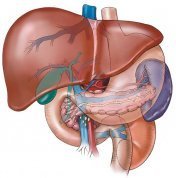 Most Parkinson’s patients have flaws in their ability to detoxify various chemicals. Parkinson’s disease is more common in individuals with a history of exposure to agricultural pesticides or other toxic chemicals. Not everyone exposed to these toxins develops Parkinson’s, but those with an inherited flaw in their detoxification pathways are at much greater risk. These individuals are more vulnerable to the brain-damaging effects of a wide variety of toxins.