
Anxiety, a common response to stress, can manifest as feelings of fear, dread, and uneasiness, impacting millions worldwide. While everyone encounters anxiety at some point, understanding its triggers and finding effective management strategies is crucial for maintaining mental and physical health. Exploring natural remedies, dietary changes, and lifestyle adjustments can offer significant relief for those struggling with anxiety, promoting overall well-being.

Anxiety often feels like a mix of fear, dread, and uneasiness that hits as a reaction to stress. Everyone experiences anxiety, although some manage it better than others. Anxiety affects millions globally, showing up as physical and emotional symptoms. Let’s explore natural remedies for anxiety and find effective ways to achieve relief.
Genetics and learned behaviors can contribute to anxiety.
Additionally, traumatic experiences often play a significant role.
Anxiety disorders tend to run in families, and a tense environment can increase anxiety. Stressful events, such as the death of a loved one or abuse, can also trigger anxiety.

Behavioral patterns can also reinforce anxiety, leading to maladaptive brain reactions. This cycle creates inappropriate anxiety levels, which are challenging to break without intervention. For instance, a young woman developed IBS after her best friend’s suicide, relying onantidepressants that did not address the root cause. Another woman experienced health issues and anxiety after her mother’s sudden death.
Diet adjustments are crucial.
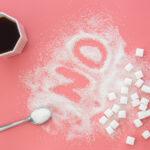
Refined sugar, caffeine, and alcohol should be avoided. Big No to these guys!
Allergy testing might help identify and eliminate trigger foods.
Calcium and magnesium supplements can calm the nervous system. Recommended doses are 600-1,200 mg/day for calcium and 300-600 mg/day for magnesium. These should be taken in divided doses.
High-potency B vitamins, especially B12, support nervous system health. Intramuscular B12 can benefit those with digestive issues.
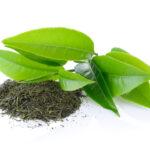
L-theanine, found in green tea, offers significant anti-anxiety effects. It can be as effective as prescription medications without addictive properties.
Inositol is known to reduce panic attacks’ frequency and severity. Additionally, herbal remedies like kava kava and passionflower are effective.
Kava kava should be used under professional guidance due to potential liver toxicity.
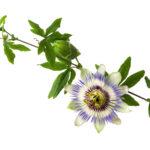
Passionflower can be as effective as certain prescription medications.
Mexican valerian effectively relieves anxiety, working rapidly when taken in appropriate doses.
Sharing fears and anxieties with a trusted person can help alleviate the burden. As Dr. Edward Bach said, “A problem shared is a problem half sorted.”
Opening up to someone can provide significant relief.
Regular meditation and deep breathing exercises can calm the mind and reduce stress levels.
 Physical activity, such as a 40-minute walk, lowers tension and improves well-being. Ensure you get at least 8 hours of sleep per night to avoid irritability and anxiety.
Managing anxiety naturally involves dietary adjustments, supplements, herbal remedies, and stress management techniques. Understanding the underlying causes of anxiety and adopting effective natural remedies for anxiety can provide relief and improve well-being. Consult a healthcare professional before starting any new supplement or herbal remedy to ensure it is safe and appropriate for your needs.