
Anal itching may be a common condition, but it doesn’t have to control your life. Through natural remedies, dietary adjustments, and lifestyle changes, you can manage and even eliminate the discomfort.

Anal itching, or pruritus ani, is a common and often uncomfortable condition that can affect anyone, regardless of age or gender. Although it’s a sensitive issue, it’s essential to address it openly and effectively, as it can significantly disrupt daily life. Drawing from over 30 years of experience as a naturopath, I’ve encountered many cases of anal itching and have seen firsthand how natural remedies and lifestyle changes can make a profound difference. In this article, we’ll explore the causes, effective natural remedies, and preventive measures for anal itching, backed by insights from my years of clinical practice.
Before looking for Natural Remedies for Anal Itching it is important to address the causes of this annoying discomfort.
Hygiene is often a double-edged sword when it comes to anal itching. Many patients I’ve seen either under-clean or over-clean the area, both of which can lead to irritation. The key is to find a balance. In my practice, I’ve advised patients to avoid harsh soaps and instead opt for gentle, natural cleansers. A soft, damp cloth can also work well, and it’s crucial to dry the area thoroughly afterward.
Food sensitivities are a surprisingly common cause of anal itching. I’ve had many patients who were unaware that their diet was contributing to their discomfort.
 Foods like dairy, gluten, and even excessive sugar can trigger or worsen itching. In these cases, I often recommend an elimination diet to identify and avoid offending foods. For many, simply cutting back on processed foods and increasing fiber intake can lead to significant improvements.
Parasites, particularly pinworms, are a well-known cause of anal itching, especially in children. In my practice, I’ve treated numerous cases where natural remedies, such as garlic and pumpkin seeds, have proven effective in eliminating parasites.
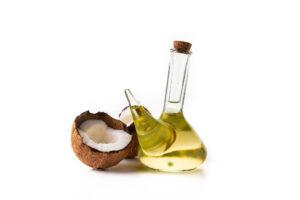 Fungal infections are another culprit, and I’ve found that a combination of dietary changes and topical antifungals like coconut oil can work wonders.
 Hemorrhoids are a common cause of anal discomfort and itching. Many patients I’ve treated with hemorrhoids find relief through a combination of increased fiber intake, proper hydration, and the application of natural ointments like witch hazel. For persistent cases, I often recommend sitz baths with Epsom salts, which help soothe the area and reduce inflammation.
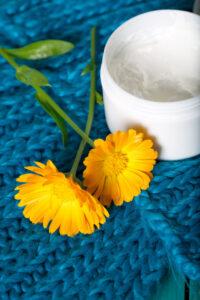 Chronic skin conditions such as eczema or psoriasis can lead to anal itching. I’ve seen patients benefit from natural topical treatments like aloe vera and calendula, which help reduce inflammation and soothe the skin.
It’s also important to manage these conditions holistically by addressing triggers like stress, diet, and environmental factors.
Stress is an often overlooked factor that can exacerbate anal itching. Over the years, I’ve observed that patients who manage their stress through techniques like meditation, yoga, and regular exercise tend to have fewer flare-ups. The mind-skin connection is powerful, and reducing stress can be a game-changer for those dealing with chronic itching.
A tip I’ve shared with many patients is to take regular apple cider vinegar baths. Adding a cup of apple cider vinegar to a warm bath can help restore the skin’s natural pH balance and reduce itching. This remedy is particularly effective for those dealing with fungal infections or general skin irritation.
For patients dealing with constipation or irregular bowel movements, which can aggravate anal itching, I often recommend psyllium husk. It’s a natural, soluble fiber that helps regulate bowel movements and can prevent straining, which is a common cause of hemorrhoids and subsequent itching.
I’ve found that a combination of calendula and comfrey in a salve can provide exceptional relief for irritated skin. Calendula is known for its healing properties, while comfrey helps to soothe and regenerate the skin. This salve can be applied directly to the affected area for quick relief.
In my experience, many cases of anal itching are linked to imbalances in gut flora. Incorporating probiotic-rich foods like sauerkraut, kimchi, and yogurt into the diet can help restore healthy gut bacteria and reduce symptoms. For those who need extra support, I often recommend a high-quality probiotic supplement.
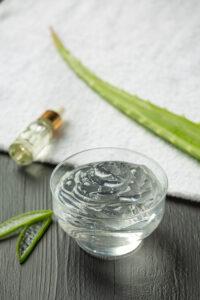
A simple but effective remedy I often suggest is a mix of aloe vera gel and coconut oil. Both are natural anti-inflammatories and moisturizers, making them ideal for soothing irritated skin. Applying this mixture after cleansing the area can provide relief and promote healing.
From my years of seeing patients, I can confidently say that diet plays a crucial role in managing and preventing anal itching. Avoiding processed foods, refined sugars, and potential allergens like gluten and dairy can make a significant difference. Instead, focus on whole foods, plenty of vegetables, and foods rich in fiber to keep your digestive system healthy.
Read my article on Healthy Eating here
Dehydration is a common issue that many people overlook. Drinking enough water not only helps keep your skin hydrated but also supports regular bowel movements, which can prevent straining and hemorrhoids. I recommend aiming for at least 8 glasses of water a day, more if you’re active or in a hot climate.
In my experience, many patients find relief by simply switching to natural fabrics like cotton for their underwear. These fabrics are breathable and help reduce moisture buildup, which can prevent irritation and fungal growth.
I’ve seen firsthand how stress can exacerbate symptoms of anal itching. Incorporating stress management techniques into your daily routine can be highly beneficial. Practices like deep breathing, mindfulness, and regular physical activity are not only good for your overall health but can also reduce the frequency and severity of itching.
Keep reading: Chronic Stress Management: Tips for Reducing Stress and Improving Health
Lastly, I always advise my patients to monitor their symptoms and check in with themselves regularly. If you notice changes in your symptoms or if the itching persists despite trying these remedies, it’s essential to consult with a healthcare professional. Early intervention can prevent minor issues from becoming major problems.
While these natural remedies are often effective, there are times when professional help is necessary. Persistent anal itching that doesn’t respond to treatment, or that is accompanied by other symptoms like bleeding or significant pain, should be evaluated by a healthcare provider. In my practice, I’ve seen that early intervention can prevent more serious issues and lead to better outcomes.
Anal itching may be a common condition, but it doesn’t have to control your life. Through natural remedies, dietary adjustments, and lifestyle changes, you can manage and even eliminate the discomfort.
Drawing from over 35 years of clinical experience, I can attest to the effectiveness of these strategies in providing relief. Remember, your health is in your hands, and with the right approach, you can achieve lasting well-being.