
Rēwana bread, or Māori sourdough, is a symbol of Māori culture, family, and well-being. Discover the cultural significance of rēwana bread, its connection to rongoā Māori, and how food plays a vital role in healing and whānau. Try our easy rēwana bread recipe at home!
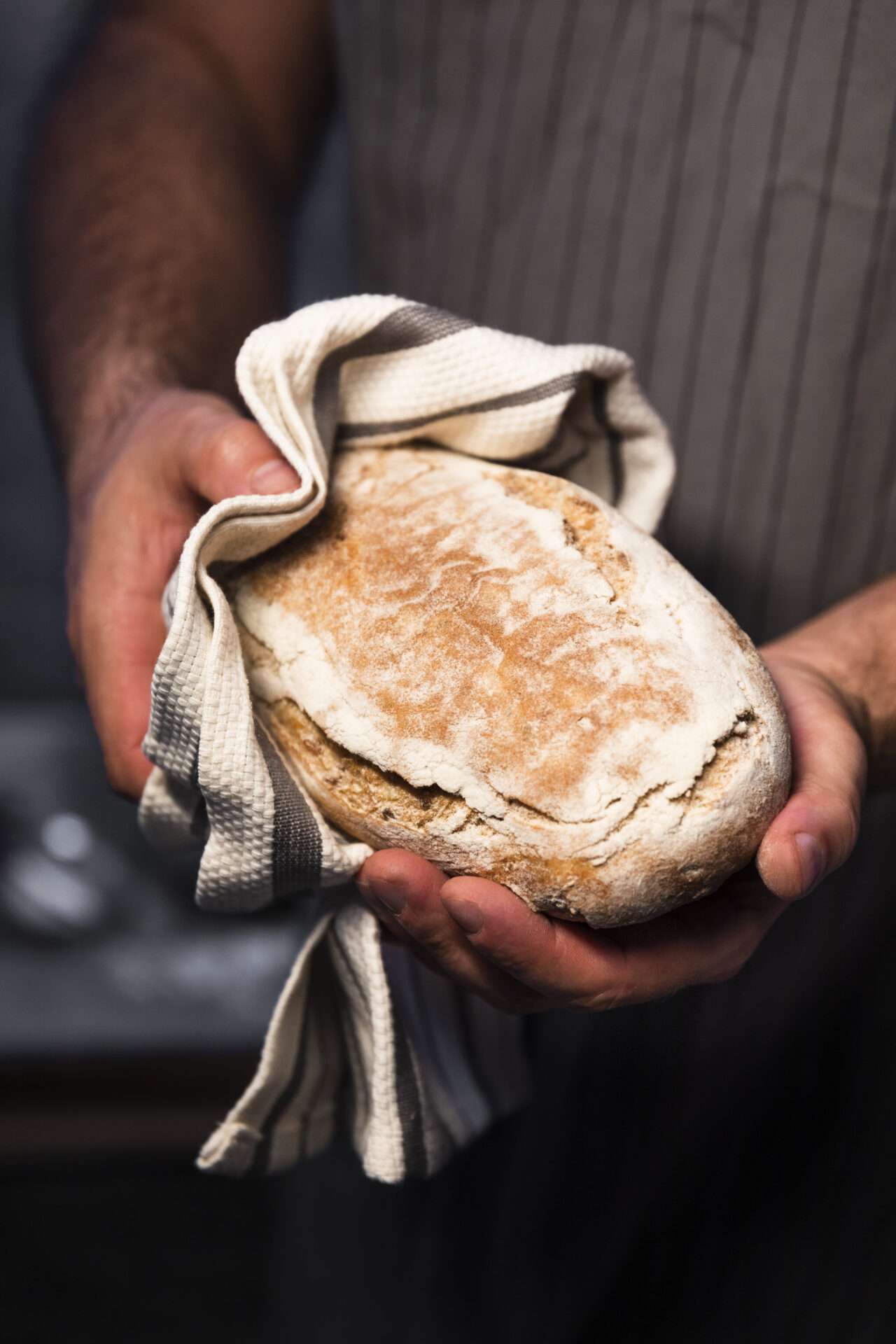
Over the years, I’ve come to appreciate how integral food is to Māori culture and well-being, particularly in the way we nourish both our bodies and our relationships. I’ve experienced firsthand how traditions like making rēwana bread foster a sense of community and connection.
Working alongside Eric Bakker, I’ve also deepened my understanding of the holistic approach to health, where food plays a vital role in healing and sustaining our well-being—not just physically, but emotionally and spiritually.
And, in Māori culture, sharing food like rēwana bread is a powerful act of manaakitanga, and it reflects the core values that link family, hospitality, and health.
Rēwana bread holds deep cultural significance. Many whānau have their own recipe, and the starter—passed down through generations—is often a source of pride. Sharing rēwana at gatherings or tangi (funerals) is more than just providing food; it’s an act of love, nurturing, and connection. In this way, rēwana reflects the heart of Māori values: taking care of each other through the sharing of something that has been created with care.
In Māori culture, food and health are deeply linked, not just on a physical level but emotionally and spiritually as well. While rēwana bread itself may not be necessariliy be considered a rongoā Māori (traditional medicine), it embodies the philosophy of rongoā. At its core, rongoā is about balance, care, and nurturing the whole person—mind, body, and spirit. The act of making and sharing food like rēwana is an important expression of this.
Many of our ancestors relied on the land for healing—through plants, remedies, and also through food. Every gathering of whānau involved preparing and sharing meals that not only nourished the body but strengthened connections between family members. Today, continuing the tradition of making rēwana bread brings that same healing into our homes.
The very process of making the bread from scratch—creating the bug, watching it grow, and then baking the bread—carries with it a sense of mindfulness and care.
In the world of rongoā, food itself is often seen as medicine. Not necessarily in the sense of specific nutritional compounds, but in the way food brings people together and strengthens social bonds. Eating together, sharing a meal, and providing nourishment are all ways to uplift well-being. The tradition of passing down a rēwana starter bug, teaching others how to make it, and serving it at communal gatherings contributes to emotional and spiritual health. It supports the idea that healing is holistic, involving not only physical remedies but also practices that promote connection and a sense of belonging.
By baking and sharing rēwana bread, we honor the old ways of our ancestors while also keeping the spirit of rongoā alive. This bread is about more than nutrition; it’s a gift from the past, passed through the hands of our tupuna (ancestors) and down to us today. So next time you bake rēwana bread, you can take pride in knowing you’re continuing a tradition of nourishment and healing, in more ways than one.
If you’re ready to experience the tradition for yourself, check out this easy-to-follow rēwana bread recipe. I’ll pop one here soon! In fact, taihoa, let me start a new bug and I’ll grab some photos along the way of the process.
Baking your own rēwana at home is not only fun, but it’s also a meaningful way to connect with the cultural values of care, family, and well-being that have guided Māori for centuries.