
Hypothyroidism is a common, treatable disorder that currently is poorly managed by Western medicine with the current drug-based approach. Over the many years of practice, I have seen many hundreds of patients exhibiting many of the signs and symptoms of hypothyroidism, yet come back completely normal on the blood-tests and they are deemed euthyroid (meaning “well” thyroid).
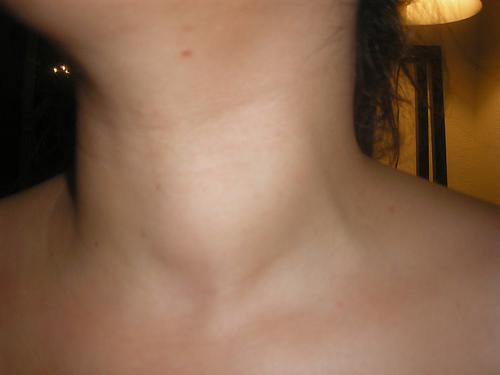
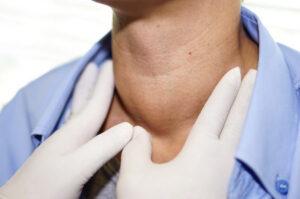 The thyroid, a butterfly-shaped gland at the base of your neck, plays a crucial role in your metabolism. It regulates everything from your heart rate to how quickly you burn calories. When your thyroid produces the right amount of hormones, your body functions smoothly. However, if it doesn’t produce enough hormones, you may develop hypothyroidism.
Hypothyroidism is a common condition that is often poorly managed by conventional medicine. I’ve seen many patients with symptoms of hypothyroidism who have normal blood test results and are told they are “euthyroid” or have a well-functioning thyroid. However, normal TSH values don’t always rule out hypothyroidism. Many hypothyroid individuals are missed using TSH as a screening tool, leaving them untreated and symptomatic.
Initially, you might not notice any symptoms or may just feel tired. Symptoms can vary widely depending on the severity of the hormone deficiency. It’s essential to note that these symptoms can also be attributed to other illnesses. Here are some common symptoms:
– Fatigue – The most common symptom.
– Voice Changes – Your voice may become hoarse.
– Eye Issues – Gritty, burning, itchy, blurry vision, or puffy eyelids.
– Skin Changes – Dry, cold, rough, and scaly skin.
– Low Sex Drive – Decreased or absent.
– Elevated Cholesterol – Unexplained high or resistant levels.
– Itchy Skin – Various itchy patches.
– Hair Changes – Coarse, brittle hair that grows slowly or falls out excessively.
– Eyebrow Thinning – Losing the outer third of your eyebrows.
– Cold Sensitivity – Feeling chilly in normal temperature rooms.
– Reduced Sweating – Decreased or absent perspiration, even during heavy exercise and hot weather.
– Constipation – Resistant to magnesium supplements and other mild laxatives.
– Difficulty Losing Weight – Despite strict diet and exercise, weight loss is challenging.
 If you suspect you have hypothyroidism, don’t give up. Many patients who see me are frustrated with their lack of answers. There is no “one size fits all” solution for improving thyroid function. Over the years, I’ve used various therapies, including specific minerals, vitamins, herbal medicines, and glandular extracts. Some patients benefit from pharmaceutical preparations like levothyroxine (T4).
In 2004, I attended an interesting seminar by Dr. John Lee, a leading thyroid expert. Dr. Lee emphasized the inaccuracies of current blood tests for diagnosing hypothyroidism. He advocated for the temperature test instead of relying solely on TSH levels. Dr. Lee’s approach highlighted the need for more comprehensive thyroid function assessments.

One simple way to check for hypothyroidism at home is by taking your temperature. Dr. Broda Barnes developed the basal body temperature test.
Reduced thyroid function manifests as a drop in body temperature below the normal level of 36.7°C (98.6°F).
To perform the test:
1. Use a digital thermometer.
2. Measure your temperature before getting out of bed.
3. Record the temperature for a month.
4. Normal morning temperature ranges from 36.4°C to 36.9°C (97.8°F – 98.2°F).
5. If your temperature is 36.1°C (97°F) or less for 3 to 5 consecutive days, you may have hypothyroidism or adrenal fatigue.
Read what others say about basal temperature testing, it is a good diagnostic indicator of low thyroid function.
If you suspect hypothyroidism, consider a hair analysis. This test can determine your levels of iodine, selenium, and zinc, which are critical for thyroid hormone metabolism. It can also screen for heavy metals like lead, mercury, and arsenic, which can affect thyroid function.
Iodine is essential for thyroid hormone synthesis. Eating sea minerals or seafood, such as kelp, can help. While doctors often recommend synthetic thyroxine (T4) for hypothyroidism, natural treatment options are available. Always consult your healthcare professional before starting any treatment.
Hypothyroidism affects many people, especially women over 40. Although, Men may also be affected. The condition often develops slowly, with many cases going undiagnosed. Factors like low selenium, zinc, and iodine levels in the diet contribute to its prevalence.The TSH Myth
A 2018 study highlighted the limitations of using TSH as a sole indicator of thyroid function. According to Dr. Lee, blood tests should not be the only diagnostic tool. Clinical studies have shown that combination thyroid hormone therapy (T4 and T3) is more effective than T4 alone.
If you suspect you have hypothyroidism, seek proper assessment and treatment from a healthcare professional. Don’t rely solely on blood tests.
Consider natural treatments and lifestyle changes to support your thyroid health. With the right approach, you can manage hypothyroidism effectively.