
Everything you eat and drink will affect your mood, behaviour, and many aspects of your brain function. If you are hungry, you may feel irritable and restless, whereas a person who has just eaten a meal, particularly a meal containing high grade protein, may feel calm and much more satisfied.

How diet affects mental health is a question more people are beginning to ask. Over the years, I’ve seen countless patients in my clinic dealing with depression, anxiety, stress, and even aggressive tendencies. Maybe you’ve experienced these feelings, or perhaps you’ve noticed a decline in memory or periods of confusion. You’re not alone—these challenges are common. But the good news is that nutrition can play a major role in improving mental well-being.”
In this article, I’ll dive into how diet impacts brain function, focusing on the role of neurotransmitters—chemicals in the brain that affect mood, behavior, and cognition. I’ll also share some practical tips on improving your mental health through proper nutrition and lifestyle changes.
At 20, mental and emotional health probably isn’t a major concern. But as you reach your 40s, 50s, and beyond, you might notice changes: lapses in memory, reduced focus, or even feeling unsteady on your feet. While genetics do influence brain health, lifestyle factors, including diet, can make a significant difference.
Everything you eat and drink impacts your mood, behavior, and cognitive function. If you’re hungry, you may feel irritable. On the other hand, eating a balanced meal with high-quality protein can leave you feeling calm and focused. For instance, have you ever noticed how productive you feel after a cup of coffee and a snack? Breakfast skippers, in contrast, often become moody or fatigued later in the day.
Mood disorders can range from mild stress reactions to severe psychiatric conditions requiring medication. Research shows that while these disorders originate in the brain, they can affect nearly every part of your body.
 According to Henry Osiecki, a renowned expert in brain nutrition, the brain constantly communicates with your immune and hormonal systems. Any disruption in this communication can impact mood, behavior, immunity, and overall health. Your brain requires 20-30% of your body’s energy intake at rest, and when it gets the nutrients it needs, your mood and mental clarity improve.
Neurotransmitters—chemicals that help transmit messages between nerve cells—are critical for maintaining mental health. Stress, anxiety, depression, and even aggression are all tied to imbalances in neurotransmitters like dopamine, serotonin, and GABA. The most abundant neurotransmitter in the brain, acetylcholine, is also produced in the gut, which explains why many people with mood disorders also experience digestive problems.
For those dealing with chronic stress, improving digestion can significantly reduce the need for medications. I’ve seen patients reduce their drug dosages by optimizing their digestion, as better nutrient absorption often improves neurotransmitter function. Always consult with your healthcare provider before making changes to any prescribed medications.
In the past, naturopaths would often recommend St. John’s Wort for depression or B vitamins for stress. While these are still useful, we now have more targeted treatments. For example, St. John’s Wort works by increasing serotonin levels, much like selective serotonin reuptake inhibitors (SSRIs) like Prozac. It’s effective for depression, stress, and anxiety, as these conditions often share a common serotonin imbalance.
Neurotransmitters require various cofactors, including vitamins B6, B5, and C, as well as magnesium, zinc, and copper, to function properly. This is why B vitamins can help when you’re under stress—they support neurotransmitter production.
Any digestive issues you experience will directly impact your ability to absorb nutrients, which in turn affects brain function. Conditions like low stomach acid, leaky gut, and inflammation in the bowel can all contribute to mood disorders. For example, poor protein digestion can lead to amino acid deficiencies, disrupting neurotransmitter production.
 Food intolerances and allergies are also common triggers for mood issues. If you suspect a food allergy, it’s worth exploring testing, particularly for IgE and IgG antibodies. Common triggers include cow’s milk, soy, gluten, peanuts, and certain artificial additives.
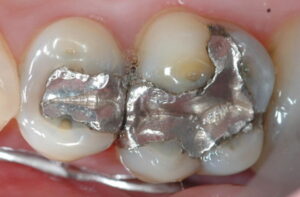 Heavy metal poisoning can severely affect memory, mood, and behavior. Metals like mercury, lead, and arsenic have been linked to conditions such as anxiety, depression, and ADHD. In my clinic, I’ve seen remarkable improvements in children diagnosed with autism or ADHD once their heavy metal levels were reduced through detoxification.
If you suspect heavy metal toxicity, a hair analysis can provide valuable insights. Even seemingly harmless activities, like restoring an old house or drinking from lead-glazed pottery, can expose you to dangerous toxins. If your hair has been bleached or dyed, opt for a pubic hair sample, which provides a more accurate measure of heavy metal exposure.
Methylation, a biochemical process occurring throughout the body, is essential for producing neurotransmitters. If you’re an “under-methylator,” you may have lower levels of serotonin, dopamine, and melatonin, increasing your risk for conditions like depression, Parkinson’s disease, and Alzheimer’s.
Supplements like folic acid, B6, and magnesium can improve methylation and support better mental health.
 Inflammation in the brain can significantly impair its function. Cytokines, which are proteins that signal between cells, play a key role in regulating inflammation. When cytokine levels become imbalanced, they can disrupt neurotransmitter production, contributing to conditions like depression and anxiety.
Your diet plays a critical role in your mental health. From improving neurotransmitter function to reducing inflammation and heavy metal toxicity, the right nutrients can make a world of difference. If you’re dealing with mood disorders, optimizing your digestion and addressing potential toxic exposures are key steps toward better mental well-being.
Read related articles:
Diet and Brain Fog: The Best and Worst Foods for Mental Clarity
The Tourette Syndrome Diet: Managing Symptoms with Nutrition