
A gallbladder cleanse is a particular protocol, including diet, aimed to prevent gallstones or to address gallstones that have already formed. Gallbladder cleansing is also known as a liver and gallbladder flush by some. The gallbladder is in charge of storing the bile produced by your liver. Bile can aid with fat digestion and improve the formation and passage of bowel motions. Gallstones are hardened and semi-hardened deposits that can form in the gallbladder and clog one of the gallbladder's ducts, causing pain, nausea, and vomiting.

A gallbladder cleanse is a specific protocol, including diet, aimed to prevent gallstones or address existing gallstones. Often referred to as a liver and gallbladder flush, this cleanse helps maintain the gallbladder’s function of storing bile produced by the liver. Bile aids in fat digestion and improves bowel movements.
Gallstones, which are hardened deposits, can block the gallbladder’s ducts, causing pain, nausea, and vomiting. Most conventional doctors recommend gallbladder removal surgery when symptoms occur. However, a gallbladder cleanse can be an effective alternative to surgery for some people. Continue reading to learn more about how my gallbladder cleanse works.
Gallstone treatment is a common concern among my patients, particularly those wanting to avoid surgery. This article delves into the treatment of gallbladder problems. For more information on gallbladder symptoms, click the link.
When assessing gallbladder dysfunction, I always ask standard questions:
“Did you lose weight recently?”
“Have you been on a fat-free diet?” “What foods and drinks do you regularly consume?” These questions often reveal the root of the problem. All you have to do is listen.
Several factors contribute to gallbladder dysfunction and attacks:
Losing weight too quickly, such as a pound a week, can congest the liver and gallbladder. Crash diets increase the risk of gallstones more than gradual weight loss plans. Studies show that rapid weight loss programs significantly raise the risk of symptomatic gallstones requiring hospitalization or surgery.
Read further this interesting article on dieting and gallstones.
Gallstones are common after bariatric surgery, so patients are often given medication to prevent stone formation by decreasing cholesterol production and dissolving it in bile.
Consuming too much fatty and fried food, alcohol, dairy, refined sugars, and high-protein foods can thicken bile and cause gallstone formation. Junk food addiction has led to a sharp rise in gallbladder operations. Britain’s newspaper ‘The Sun’ even reports about it here. Apparently, numbers going to hospital to have the small organ removed have rocketed by 54 per cent in a decade.
Eliminating food allergies or intolerances can prevent gallbladder attacks. A study showed that avoiding allergens relieved symptoms in all patients with symptomatic gallstones. Common allergens include egg, pork, onion, and milk.
Some oral contraceptives are known to increase the risk of gallstones. National Library of Medicine reports about an interesting, small but significant risk.
Insufficient water consumption, weak immune system, diabetes, and liver diseases can also cause gallbladder problems.
Emotions like anger and bitterness can trigger gallbladder issues, according to Louise Hay’s book “Heal Your Life.”
Prevent gallbladder issues by managing obesity, maintaining a healthy diet, drinking adequate water, and exercising regularly. Avoid crash diets, especially if you are overweight.
Keep your immune system strong and your liver and small intestine healthy.
Suspect food allergies in patients with gallbladder pain. Over 800,000 gallbladder surgeries are performed annually in the USA, costing $5,000 each. Many of these operations are unnecessary and do not address the underlying problem.
Medical methods like lithotripsy attempt to fragment gallstones, and surgery is necessary for severe cases. However, preventing gallbladder conditions is preferable to reactive treatments.
Chiropractic treatment can help with mid-thoracic vertebral subluxations that may affect the gallbladder. Regular physical treatment, along with addressing emotional and biochemical issues, can yield excellent results.
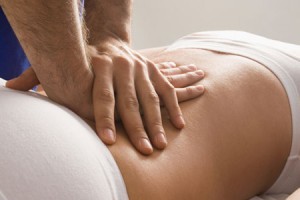 You may have mid-thoracic vertebral subluxations. If you have back issues, your fourth thoracic vertebrae might be misaligned or malfunctioning. These disturbances can irritate nerve roots and blood vessels branching off from the spinal cord, potentially affecting your gallbladder.
I am a fan of chiropractic and osteopathic treatments. Many people will benefit from a good physical treatment from time to time. Excellent musculoskeletal treatment, combined with addressing emotional and biochemical issues, often leads to outstanding results.
Patients who have had their gallbladder removed should take digestive enzymes like bile salts to aid fat digestion and improve nutrient absorption. Regular use of bile salts can also reduce the risk of colon cancer.
If you’ve had your gallbladder removed, I always recommend taking bile salts (digestive enzymes). Without a gallbladder, fats and oils are not properly digested and absorbed. Bile salts are particularly helpful when taking fish oil or Vitamin A, also known as lipotropic factors. Regular use of digestive enzymes can improve digestion, bowel function, and reduce feelings of fullness and bloating.
Patients who do not improve their diet after gallbladder removal are at an increased risk of colon cancer. Although surgery can provide fast relief from some symptoms, this relief is often short-lived, and the underlying issues remain.
For those without a gallbladder, using bile salts at the start of meals can greatly improve digestion, especially for fat-soluble essential nutrients such as essential fatty acids and vitamins A, D, E, and K. Monitor the color of your stool to determine if you are using enough bile salts.
If your stool is lighter than normal brown, or is light beige or yellow, this indicates insufficient bile flow and a need for more bile salts. The need for bile salts will be greater after meals with higher fat content.
Consult with your naturopath for a product recommendation, as practitioner-prescribed digestive enzymes are typically stronger and more effective than over-the-counter options. This is why they are classified as “practitioner-only” products.
Herbal remedies like Swedish bitters, milk thistle, chamomile, peppermint, greater celandine, and dandelion can support liver and gallbladder health.
Chelidonium 30C is a recommended homeopathic remedy for gallbladder disorders, especially right-sided pain radiating to the shoulder blade. I have used this remedy in clinic successfully. It is mainly considered a liver remedy but it has worked well for gallbladder disorders also.
Avoid refined sugar, carbohydrates, coffee, chocolate, deep-fried foods, and saturated fats.
Favorable foods include beetroot, brussels sprouts, fennel, sauerkraut, parsley, artichokes, pears, and bitter foods like rocket and endive.
because it is these foods which in particular increases the cholesterol saturation of bile. Gallbladder problems don’t generally happen in under developed countries, they are a phenomenon of the Western developed world. We call these sorts of health problems the “diseases of modern civilisation”. You will find that our Western diet is the highly refined one, most people eat foods from the supermarket and our diets are the ones high in the refined sugars, starches and flours.
Coffee & Sugar
One of the worst beverages to drink with gallbladder issues is coffee whether decaffeinated or not, it aggravates symptoms by causing the gallbladder to contract along with sugar. So, sugar and coffee is not a good idea!
I also recommend an avoidance of chocolate, deep fried foods and saturated animal fats in general. Most will be unable to tolerate these foods anyway. So listen to your body and avoid what makes you feel unwell or sick.
One way to prevent build-up of gallstones is to eat some oil, particularly extra virgin olive oil, daily; this encourages the gallbladder to contract and to daily “sand dump” its contents into the small intestine, preventing sludge from accumulating and forming gallstones.
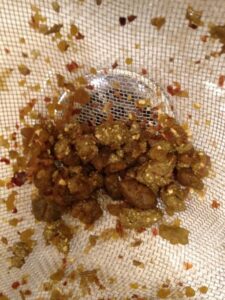
Our clinic has successfully guided many patients through liver and gallbladder cleanses. Patients often report significant improvements in their symptoms. See the pictures of gallstones that a few patients have sent me after they were delighted with their results based on implementing this gallbladder report.
 Liver and Gallbladder Flush
There are many different gallbladder and liver flushes that will work if you have had recurrent gallbladder problems. You are advised to work with your health-care professional, preferably someone with experience. We have guided hundreds of patients through this procedure the past thirty years and have never experienced a problem.
Here are a couple of tips to try with acute pain, if the pain doesn’t subside, seek medical opinion!
1. Apple Cider Vinegar in Warm Apple Juice:
Drink 1 tbsp in a glass of warm apple juice for pain relief.
2. Turmeric, Cumin, and Manuka Honey:
Mix ¼ tsp turmeric,
¼ tsp cumin,
and ½ tsp Manuka honey in boiling water.
Drink warm, three times a day.
3. Citrus Tea:
Boil the rind of a grapefruit in water for 20 minutes and drink three glasses daily.
1. Morning Gallbladder Attack Drink:
Blend 300 ml apple juice (or diluted with water),
2 cloves of raw finely chopped garlic,
and 1-2 inches of raw finely chopped ginger root.
This drink helps soften sludge and helps prepare your gallbladder to dump rubbish.
Drink 3 tbsp of extra-virgin olive oil with lemon juice before bed and upon waking for at least three days. This simple flush is a procedure that I recommend you do with the support of your qualified Naturopath or health-care practitioner. This flush and there are others also, are best done after consultation with a practitioner.
Eat a well-balanced diet with 50% raw or partially steamed foods and fresh juices, including fruits, vegetables, whole grains, legumes, nuts, and seeds. This low-saturated fat, high-fiber diet is essential for healing gallbladder disorders. Incorporate flaxseed and olive oil for repair and prevention of gallstones.
Bitter foods help prevent future build-ups.
Top recommended foods: lemon juice and olive oil.
Eat more Vitamin C containing foods to help with gallbladder ailments. You can replenish your vitamin C stores by eating plenty of vitamin C-rich fruits and vegetables daily.
Good sources include capsicums (red, green, yellow), berries, lemons, and broccoli/green leafy vegetables. I recommend a high-grade Vitamin C powder daily for prevention and maintenance of many body conditions.
Some herbal formulas may help stop and reverse a gallbladder attack. Use formulas with organic, whole herbs. Excellent products are available—consult your herbalist or naturopath.
We recommend you discuss this protocol with your health-care practitioner for support and more personalized advice.
All you need is 200ml of castor oil (available at the chemist or supermarket), an old saucepan, an old cloth, and an old towel.
1. Warm the old cloth in the pot of oil until it is quite warm.
2. Squeeze out the excess oil and apply the cloth over the gallbladder region (central, a little to the right, near the end of your ribcage).
3. Cover with the old towel, place a hot water bottle on top for added warmth, and lie down for 15-20 minutes.
4. Afterward, rub the area with an ice cube wrapped in a cloth for 2 minutes.
Repeat this process three times once daily for a week. This method can sometimes dislodge gallstones, especially when used in conjunction with a flush and dietary approach.
Be careful with castor oil as it can stain.
 Dr. Dick Versendaal’s Carotid-Umbilicus Technique:
1. Apply steady pressure into the belly button using your index finger for 5 minutes, depressing the belly button 1-1.5 inches (without causing pain).
2. Do this every 15 minutes for 1-3 hours. It’s easier if someone else performs this on you.
3. Repeat once a day for up to 12 weeks after passing the stones to support your gallbladder.
– Studies have shown that stroking the skin of the abdomen causes the underlying muscles to contract.
– Firmly rub the neuro-lymphatic reflex points for at least 30 seconds, 1-2 times a day. These points may feel tender if you have gallbladder issues.
– Target areas:
– Between ribs 3 and 4, and ribs 4 and 5, just to each side of the breastbone.
– Between ribs 5 and 6, just under the nipple of the right breast.
1. Softly hold (without pressing or rubbing) the neuro-vascular reflex points for at least one minute:
– At the anterior fontanel (the baby’s soft spot near the crown of the head). To locate, place the tip of your middle finger on the midline of the skull with your wrist crease on your eyebrows.
– At the hairline on the forehead directly above the outer corner of each eye.
2. Look for and gently hold the tender spots you find.
These techniques can help support you and your gallbladder cleanse.
We always recommend that you consult with your health-care practitioner for support and individualized treatment recommendations.