
Do you have an elderly mother or father? Many elderly people face malnutrition, it is sad to see how all too many end up in a retirement village with endless drug prescriptions and poor diets.
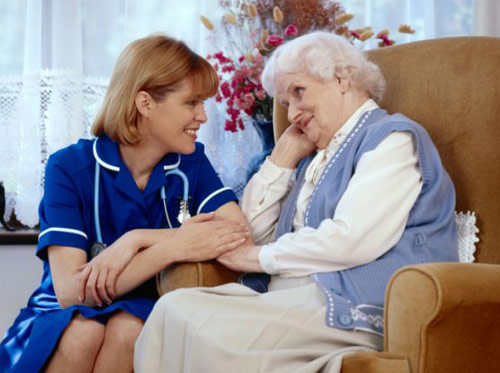
Do you have an elderly mother or father? Many elderly individuals face malnutrition, a disheartening reality that often culminates in them residing in retirement villages with endless drug prescriptions and inadequate diets.
In New Zealand, the statistics are alarming. While these figures may vary depending on your location, the core issue remains widespread: a significant number of our older citizens are not receiving the nutrition they need, leading to malnutrition in many cases.
A 2017 study with 167 participants revealed that 23% were malnourished, and 35% were at high risk of malnutrition. The Hawke’s Bay District Health Board’s research highlighted that 57% of those over 65 in the region were not eating properly. This lack of proper nutrition can lead to a loss of independence or necessitate hospital stays. Of the 7,518 elderly individuals surveyed, a third were at high risk, particularly those living alone or among the Maori elderly, New Zealand’s indigenous population. Many elderly individuals believed they didn’t need as much food as younger people, were unable to cook, or thought it was normal to lose weight with age.
Do you have an elderly mother or father? Are they under medical care or perhaps in a retirement village? Have you ensured that they are consuming a balanced and nutritious diet daily? Unfortunately, I’ve encountered many distressing stories of older individuals living in appalling conditions, subsisting on pharmaceutical drugs and inadequate diets.
Consider the typical diet: white bread, numerous cups of tea, plain biscuits, packet soups, and a plethora of medications for cholesterol, heart conditions, and other ailments, each with its own set of side effects. Is this the dignified end we envision for our loved ones in their twilight years?
Interestingly, many elderly individuals in under-developed countries seem to fare better than our elderly in New Zealand. They benefit from better food, more family support, and fewer toxic drugs that cause side-effect ridden misery. Love your parents. Ensure they undergo regular health assessments and critically evaluate their pharmaceutical drug prescriptions. Pay close attention to their diet and make necessary changes.
Do they have difficulties chewing, issues with bowel movements, trouble sleeping, or low energy levels? Addressing these basic needs can significantly enhance their quality of life, allowing them to enjoy their remaining years in comfort.
Taking proactive steps to ensure the nutritional well-being of our elderly can make a profound difference. Let’s strive to provide them with the dignity and care they deserve.