
A male yeast infection, also known as Candida balanitis, is caused by the overgrowth of the Candida fungus. This condition results in a red, itchy rash on the head of the penis. Candida thrives in warm, moist environments, making the foreskin of uncircumcised individuals particularly susceptible. Treatment typically involves the use of antifungal creams.
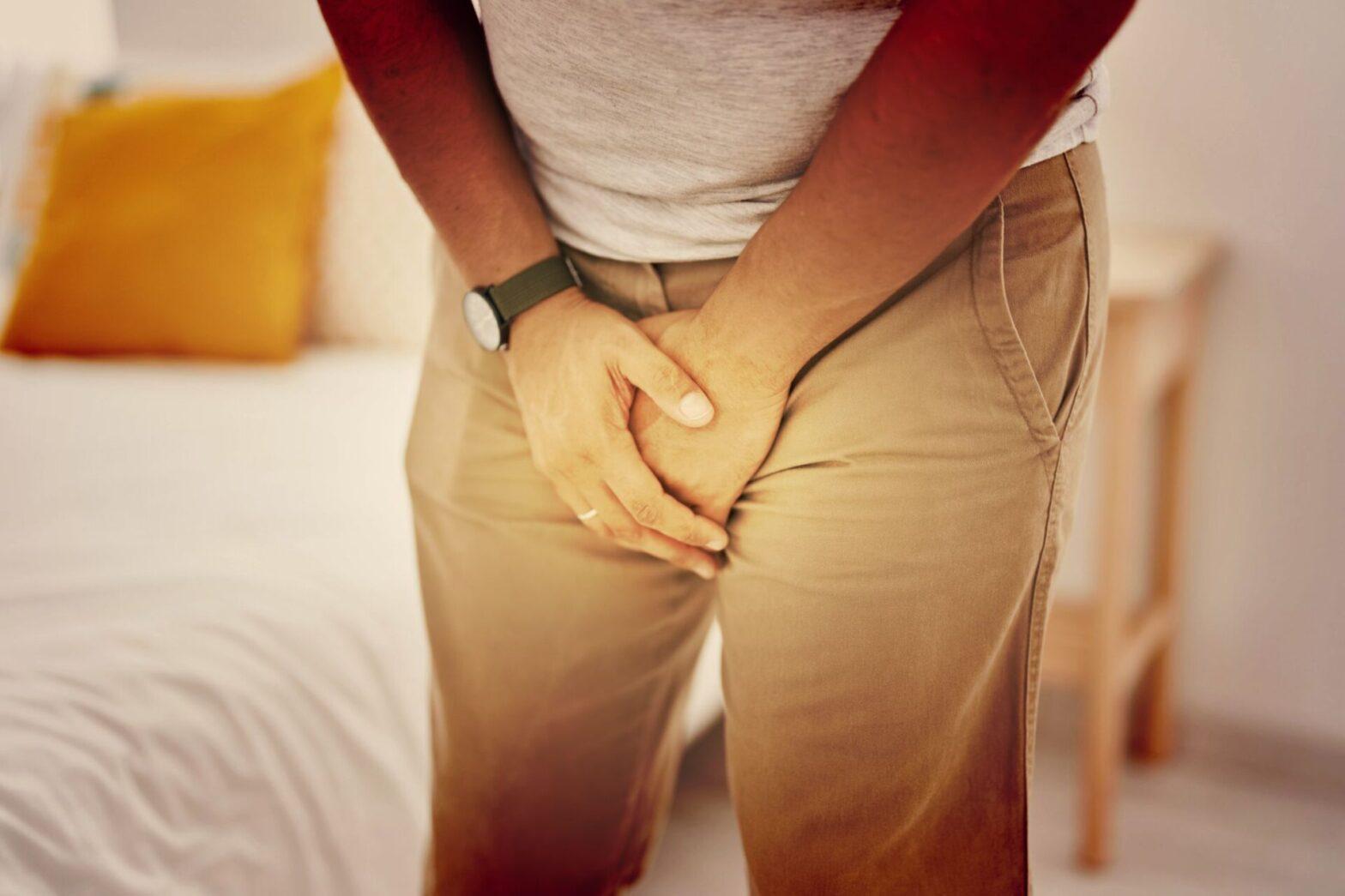
A penile yeast infection, also known as Candida balanitis, is caused by the overgrowth of the Candida fungus. This condition results in a red, itchy rash on the head of the penis. Candida thrives in warm, moist environments, making the foreskin of uncircumcised individuals particularly susceptible. Treatment typically involves the use of antifungal creams but there are a number of natural treatments and lifestyle changes to support you also.
Penile yeast infections, also known as candida balanitis, are caused by the overgrowth of the Candida fungus. This condition can be triggered by factors such as poor hygiene, a compromised immune system, or the use of antibiotics.
Probiotics are beneficial bacteria that help maintain a healthy balance of microorganisms in the body. Including probiotic-rich foods like yogurt, kefir, and sauerkraut in your diet can support gut health and combat yeast overgrowth. If you struggle to include a decent amount of probiotic foods in your diet, consider taking a probiotic supplement.
Yogurt contains bacteria called Lactobacillus that might help restore a healthy bacterial balance. You can try applying yogurt to the affected area or eating it to promote the growth of beneficial bacteria. Remember to use a natural yogurt that is unsweetened.
Tea tree oil has potent antifungal properties. Dilute a few drops of tea tree oil with a carrier oil, such as coconut oil, and apply it to the affected area. Remember to perform a patch test first to ensure there’s no allergic reaction.
Garlic is known for its antifungal and antibacterial properties. Adding raw garlic to your meals or taking garlic supplements can help fight off yeast infections from the inside out.
Coconut oil contains caprylic acid, which is effective against candida. Applying coconut oil to the infected area can provide soothing relief and reduce inflammation.
Maintaining good hygiene is crucial in preventing and managing penile yeast infections. Ensure you wash the genital area with mild soap and water, and keep it dry and clean.
💡 Looking for targeted support during your Candida cleanse?
The Yeastrix Gut Restore Kit includes three of Eric Bakker’s top supplement picks to help support microbial balance, digestion, and overall gut health. It’s a great companion to any Candida protocol. Available now at Yeastrix.com.
Candida thrives on sugar, so it’s essential to limit your intake of sugary foods and beverages. Opt for a balanced diet rich in vegetables, lean proteins, and whole grains. In fact, why not challenge yourself to cut sugar out of your diet completely. At least for the time that you are needing to treat that penile yeast infection.
Tight-fitting clothing and underwear can create a warm, moist environment that promotes yeast growth. Choose breathable fabrics like cotton to keep the area dry.
In fact, why not ditch any synthetic fibres totally. Be sure to wear a fresh, clean pair of underpants every day.
A robust immune system can help prevent yeast infections. Regular exercise, adequate sleep, and stress management are key factors in maintaining immune health.

Be Kind to yourself. Eat well, Live well and reach out for help if necessary.
While natural remedies can be effective, it’s important to consult with a practitioner if the infection persists or worsens. In some cases, prescription antifungal medications may be necessary to fully eradicate the infection.
For more information on maintaining good hygiene, check out this guide on proper hygiene practices from a trusted health authority. Additionally, Eric Bakker has written extensively on boosting immune health and managing candida overgrowth on our blog.
Penile yeast infections can be managed effectively with natural remedies and lifestyle changes. By incorporating these tips into your daily routine, you can alleviate symptoms and prevent future infections.
Remember, maintaining good hygiene and a balanced diet and lifestyle is key to overall health.