
If you’re wondering whether chickpeas fit into your candida diet, you’re not alone—many people have the same question. Let’s break it down so you can confidently enjoy your meals while staying on track with your candida cleanse.
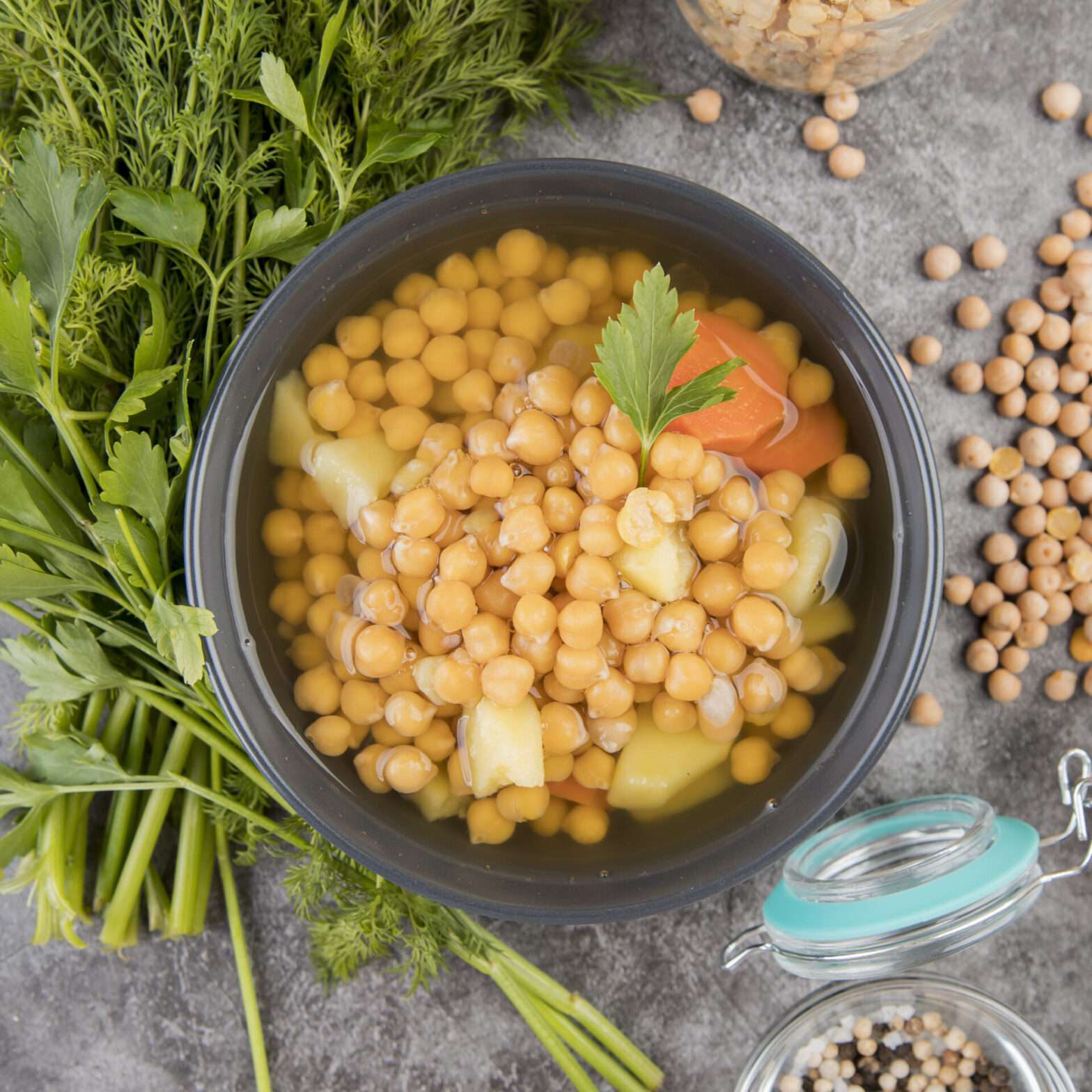
When starting a candida diet, many people wonder, “Can you eat chickpeas on the candida diet?” It’s a great question, especially since chickpeas, or garbanzo beans, are a popular source of plant-based protein. In this article, we’ll discuss whether these little legumes fit into a candida diet, why some people say to avoid them, and how they may or may not support your overall health.
The candida diet is designed to reduce yeast overgrowth in the body. Candida, a type of yeast, thrives on sugar and certain carbs, so the diet involves limiting these while increasing antifungal and probiotic-rich foods. To regain balance, the focus is on whole, unprocessed foods, particularly non-starchy vegetables, low-sugar fruits, healthy fats, and quality proteins. However, the inclusion of legumes like chickpeas can be a grey area for many.
Yes, you can eat chickpeas on the candida diet, but with a few caveats. While chickpeas are nutritious and packed with fiber, they also contain carbohydrates that could potentially feed candida if consumed in large amounts or if your gut is highly sensitive. It all comes down to moderation and individual tolerance.
Chickpeas are rich in nutrients that may support overall gut health and help the body during a candida cleanse. Here’s why they can be a valuable part of your diet:
– High in Fiber: Fiber helps improve digestion and keeps your gut microbiome balanced. A healthy gut can help prevent candida overgrowth.
– Protein Powerhouse: Chickpeas provide plant-based protein, which is crucial on a candida diet when you may be cutting out other protein sources like grains and legumes that are higher in starch.
– Low Glycemic Index: Chickpeas have a lower glycemic index than other carbs, meaning they cause a slower rise in blood sugar levels, making them less likely to contribute to candida growth.
While chickpeas offer numerous benefits, it’s essential to be mindful of portion sizes, especially if you’re in the early stages of the candida diet when it’s necessary to reduce carb intake more strictly. Chickpeas contain oligosaccharides, a type of carbohydrate that can be more difficult to digest, leading to bloating or discomfort for some people. If your digestive system is still healing from candida, you might want to introduce chickpeas gradually.
If you’re craving chickpeas and want to include them in your candida diet, here are a few tips to keep in mind:
– Small Portions: Start with smaller amounts—around ¼ cup—rather than making them a staple.
– Preparation Methods: Sprouting chickpeas before cooking them may improve their digestibility and reduce the risk of bloating.
– Pairing Them Right: Combine chickpeas with non-starchy vegetables or healthy fats to slow the absorption of carbohydrates and reduce any potential negative impact on candida growth.
If you’re in the later stages of the candida diet and your gut health has improved, you may find you can tolerate chickpeas more easily.
If you’re still unsure about adding chickpeas to your candida diet or find them hard to tolerate, there are plenty of other ways to get your plant-based protein:
– Lentils: Lentils are lower in carbohydrates and generally easier to digest than chickpeas. They’re also rich in fiber and can help support gut health.
– Hemp Seeds: These tiny seeds pack a punch of protein and healthy fats, making them a fantastic addition to your candida diet.
– Quinoa: Though technically a seed, quinoa is often treated like a grain and is a good source of protein while being lower on the glycemic index.
So, can you eat chickpeas on the candida diet? Yes, but it’s all about moderation, preparation, and how your body reacts to them. If you’re still in the early stages of your candida journey, you may want to limit your intake or avoid them altogether until your digestive health improves. On the other hand, chickpeas can be a fantastic, nutritious option later in your candida diet, offering fiber, protein, and plenty of nutrients that support your overall health.
It’s important to listen to your body, take note of how you feel after eating certain foods, and adjust accordingly. You can also explore other high-protein options to keep variety in your diet and maintain balance. Remember, the key to overcoming candida is nourishing your body with whole, natural foods that support your gut and immune system.
For more tips on managing candida overgrowth or adjusting your diet, feel free to explore our Candida Cleanse program or check out our guide on Best Foods to Eat on a Candida Diet.
Sayın Eric Bakker,yazdıklarınız ile sağlık arayanlara kılavuzluk yaptığınıza gönülden inanıyorum.İki cihanda Aziz ol.Ayağına taş değmesin.
Sayın Serdar,
Çok nazik sözleriniz için teşekkür ederim! Eric’in yazıları ile sağlıklı bir yolculuğa çıkmanıza yardımcı olabildiysek ne mutlu bize. Onun paylaşımlarından faydalandığınız için gerçekten çok memnun olduk.
Eric, postbiyotikler hakkında yakında daha fazla içerik paylaşacak. Ayrıca, Candida.com adlı yeni web sitemizi çok yakında başlatacağız ve burada bu konuya dair daha fazla bilgi bulabilirsiniz. Eric’in YouTube kanalında da yeni videolar yayınlanmakta, göz atmayı unutmayın!
Düşük şekerli, sağlıklı ve huzurlu günler dilerim!
Sevgiler,
Tracee
Can you eat sprouted beans on the candida diet if you have improved?
Yes — if your symptoms have improved and your digestion is stable, small amounts of sprouted beans can often be reintroduced. Sprouting reduces starch and increases enzyme activity, making them easier to digest and less likely to feed yeast. Start with modest portions and monitor how your body responds. For more detailed guidance on reintroducing foods, head over to Candida.com.